
Functional Ecology of Trees Field Trip
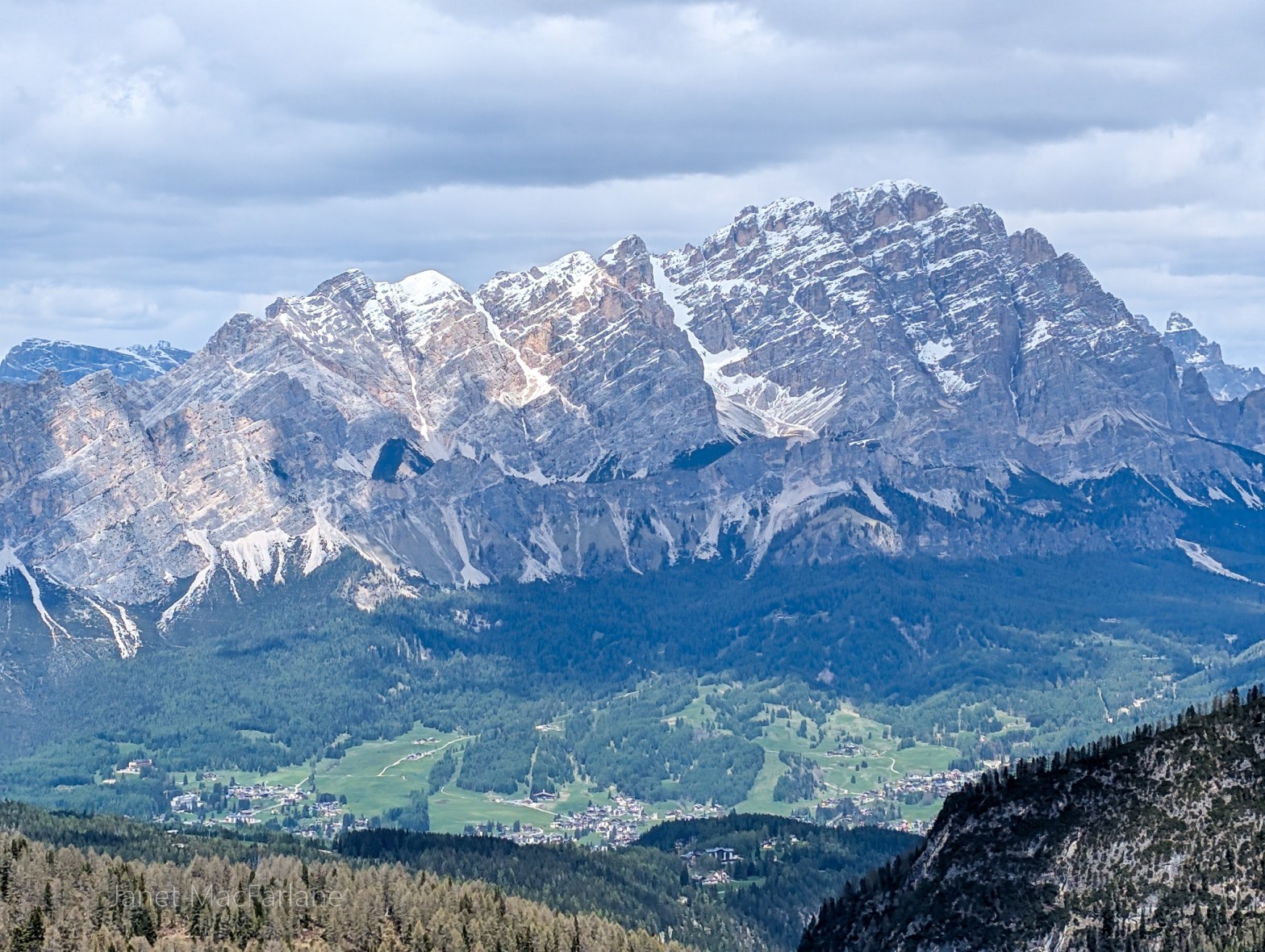
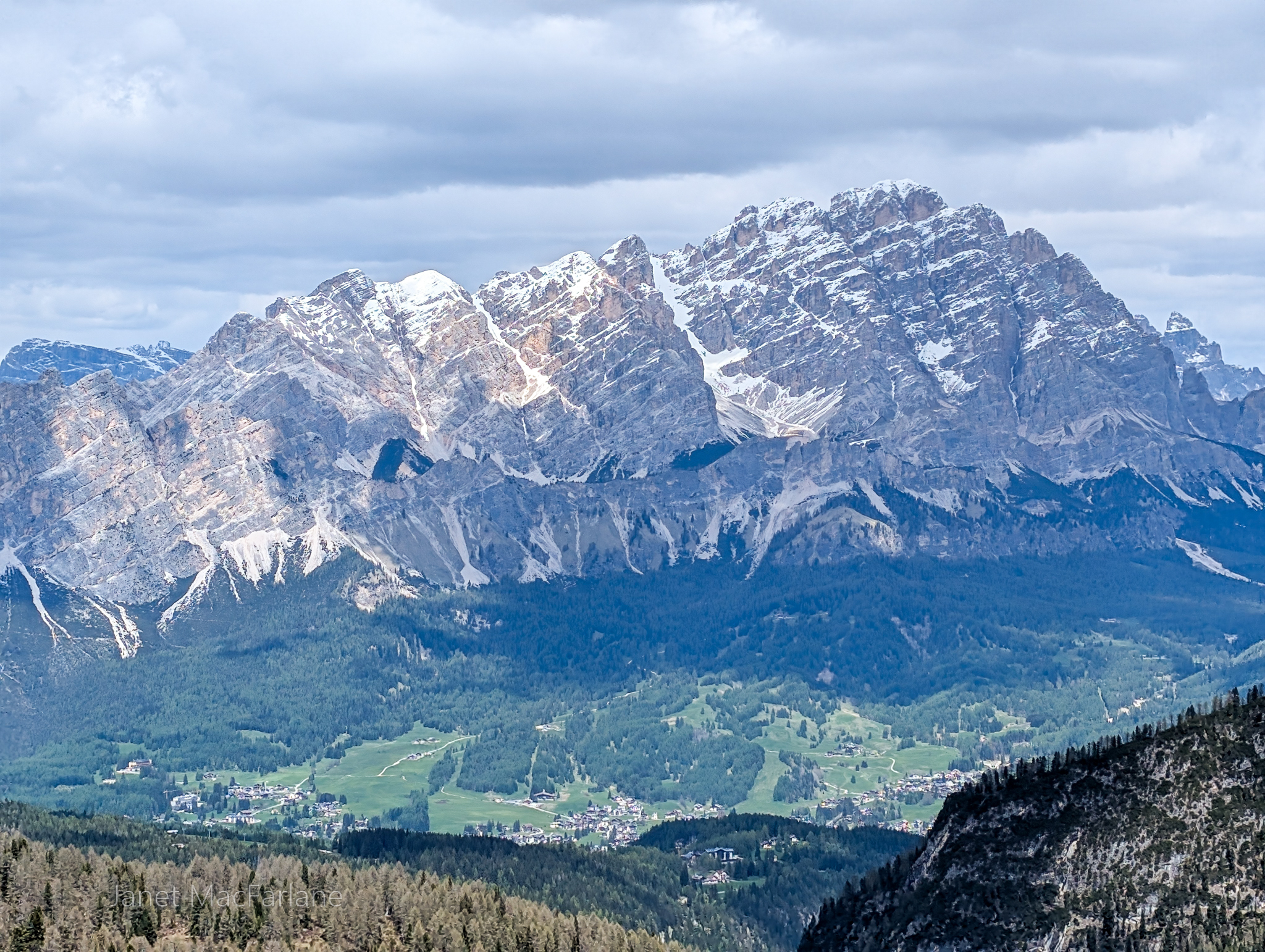
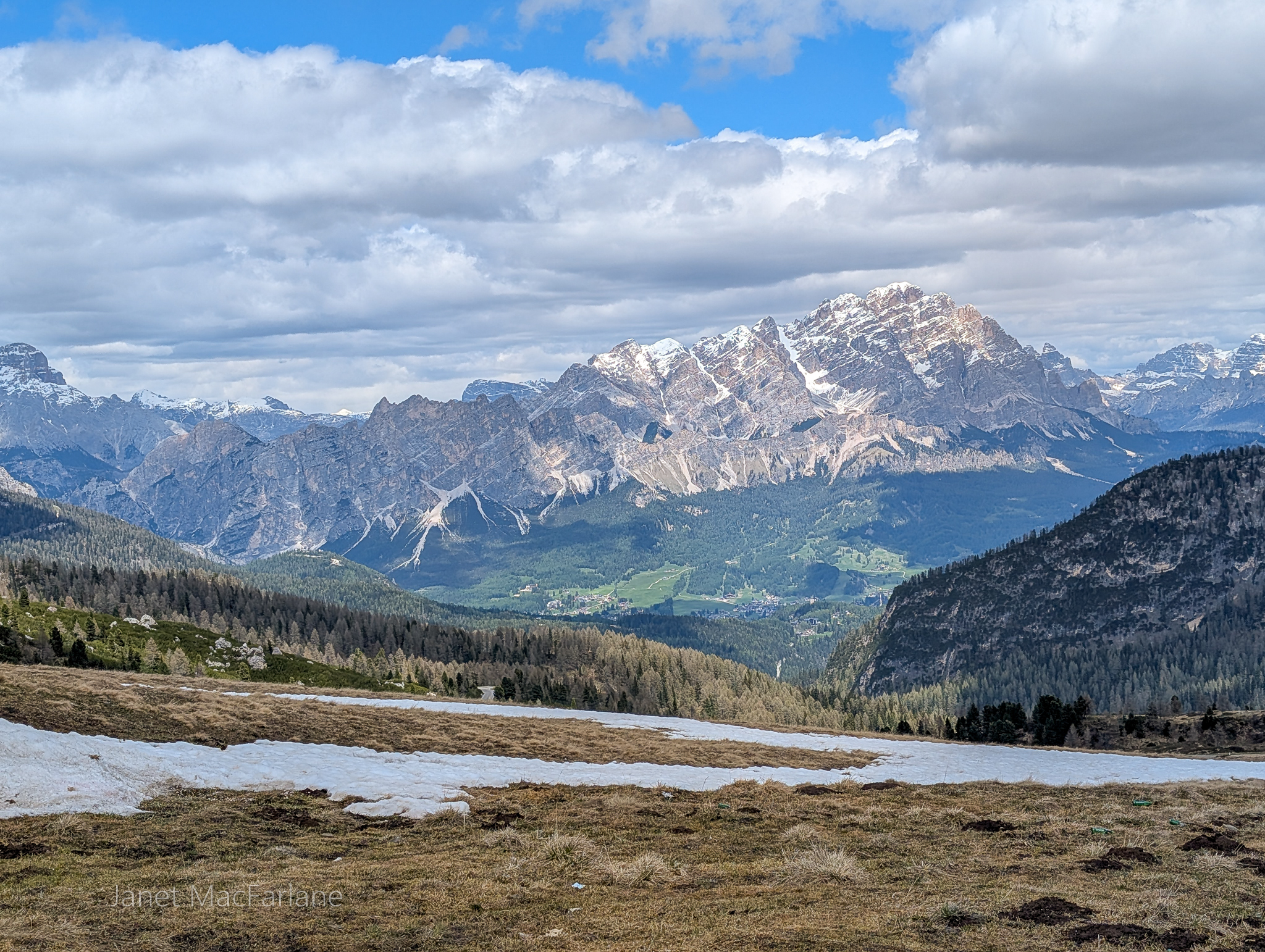
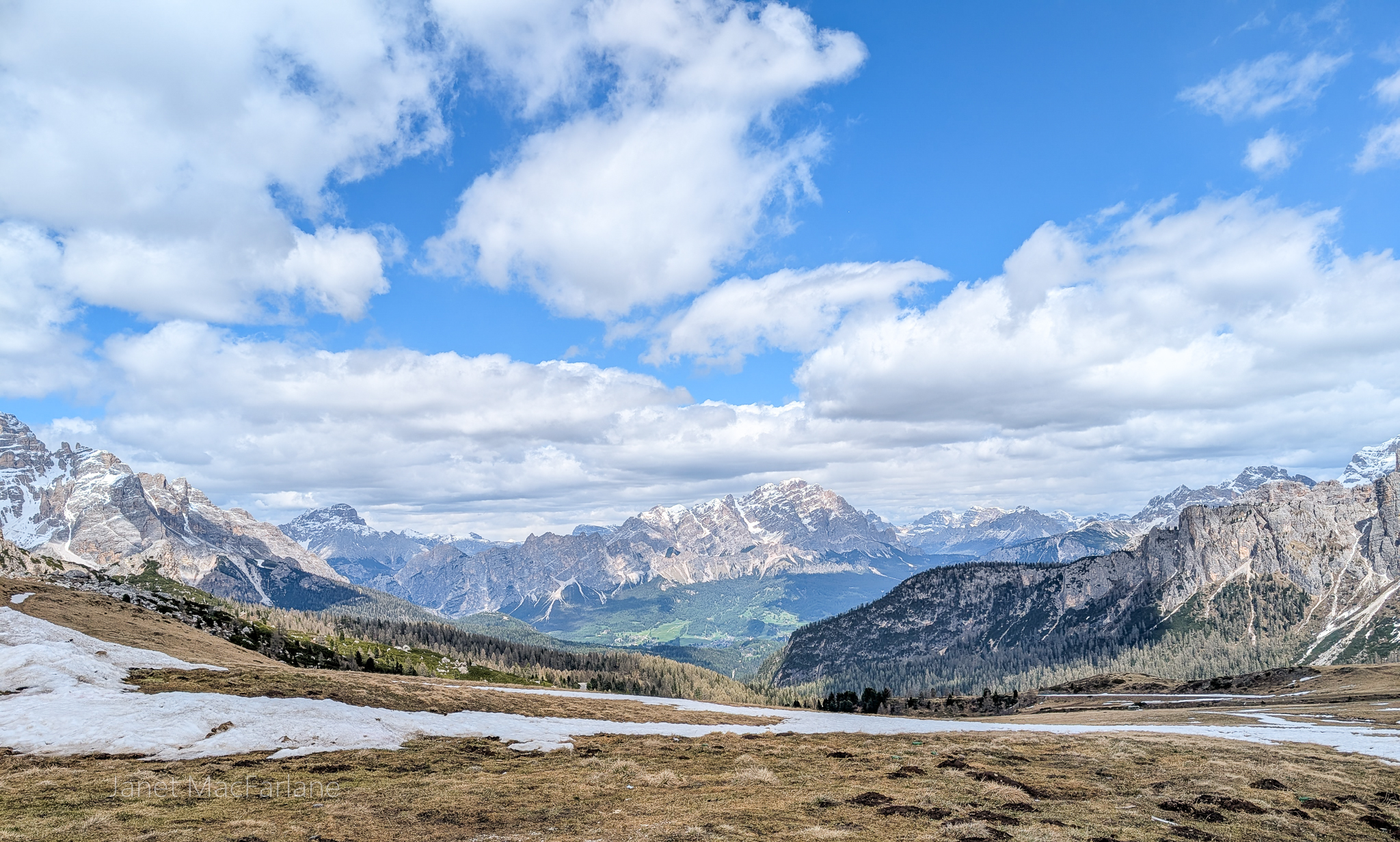
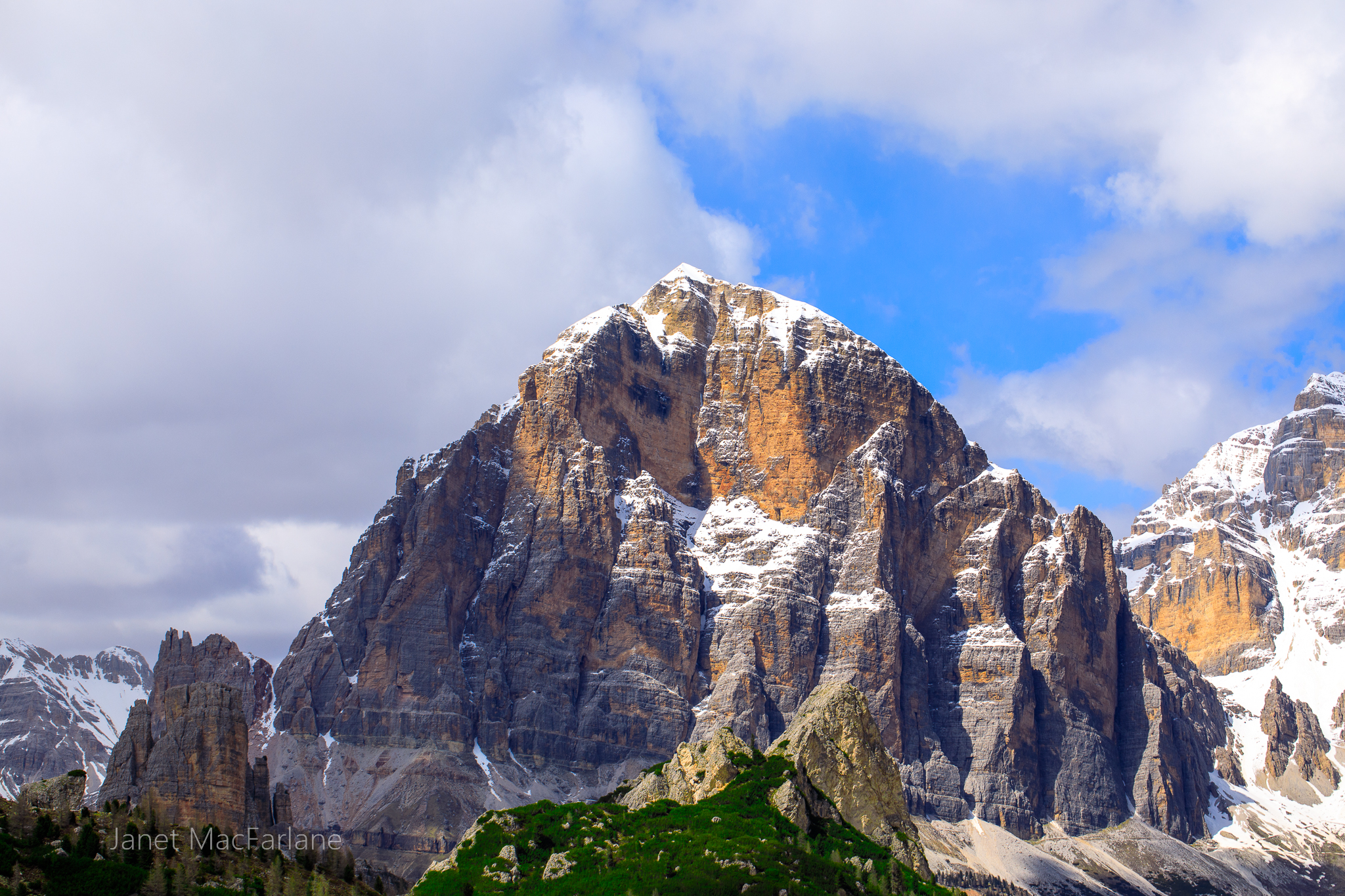
There are moments in life when the place that you visit takes your breath away. The pictures you take rarely measure up to the actual beauty and awe that you feel. The depth and scope of what you try to capture with your little lens is beyond its capability and the little digital images you capture are just a token of the astounding beauty that you stood within. This is one of the moments.
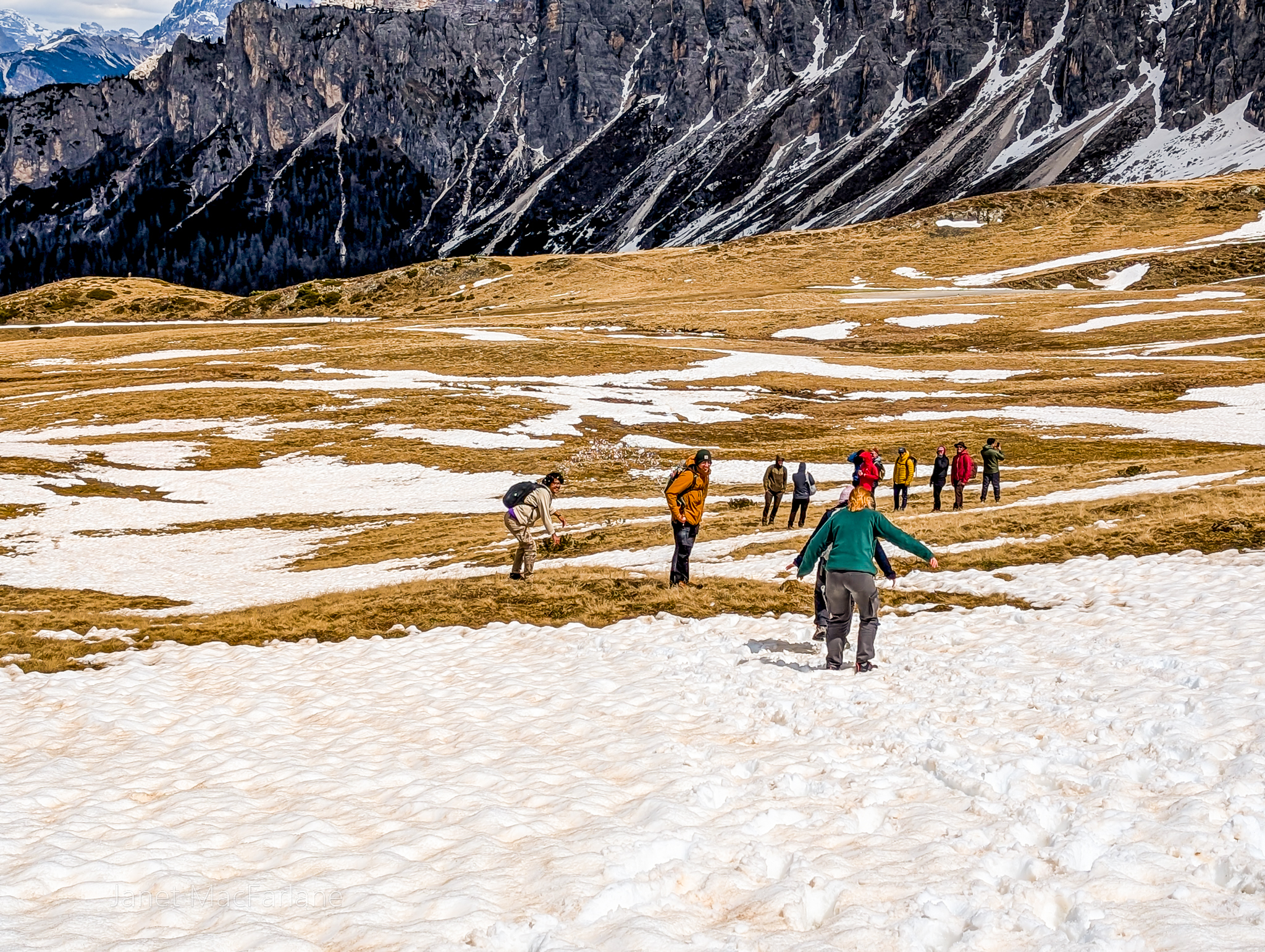
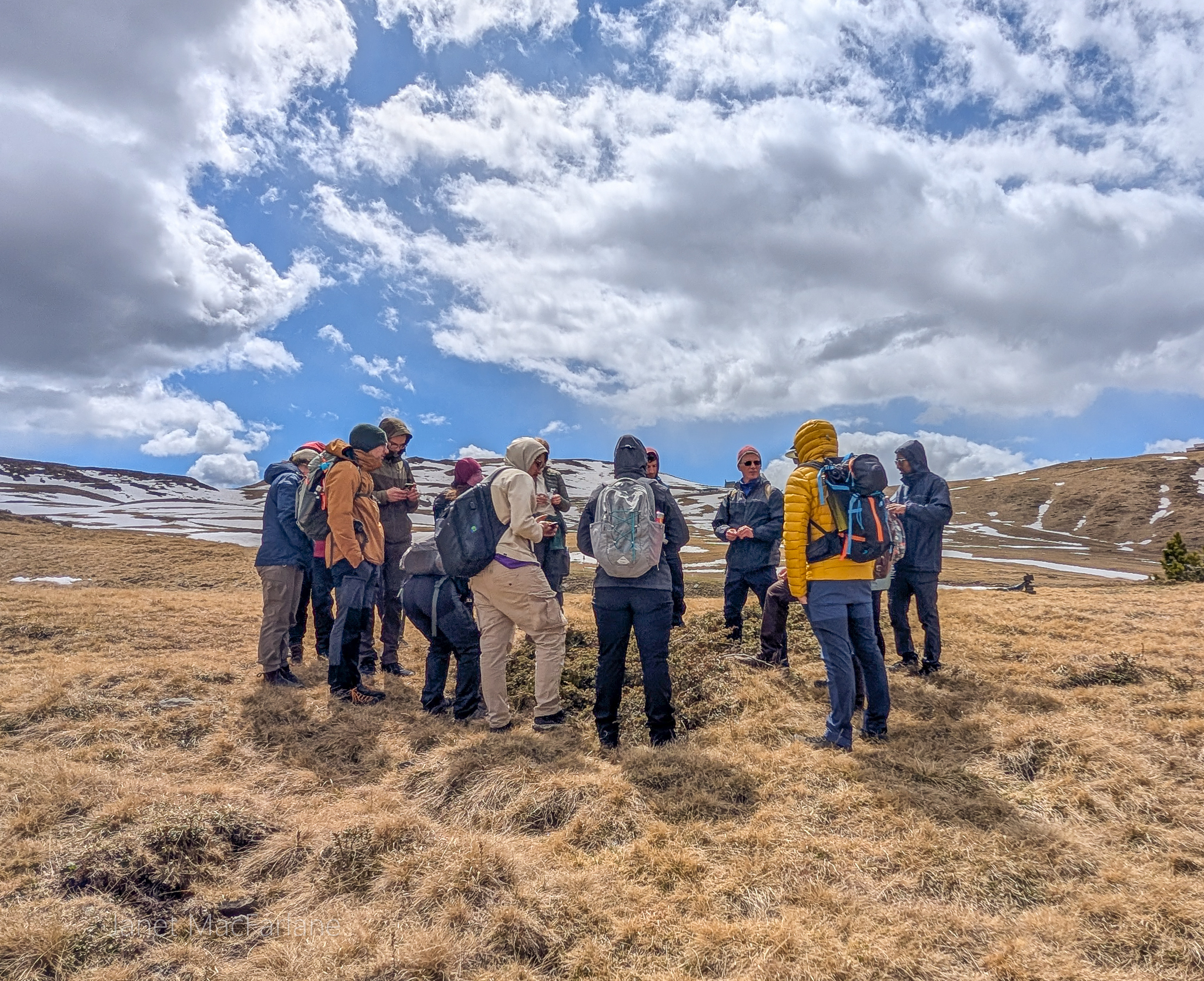
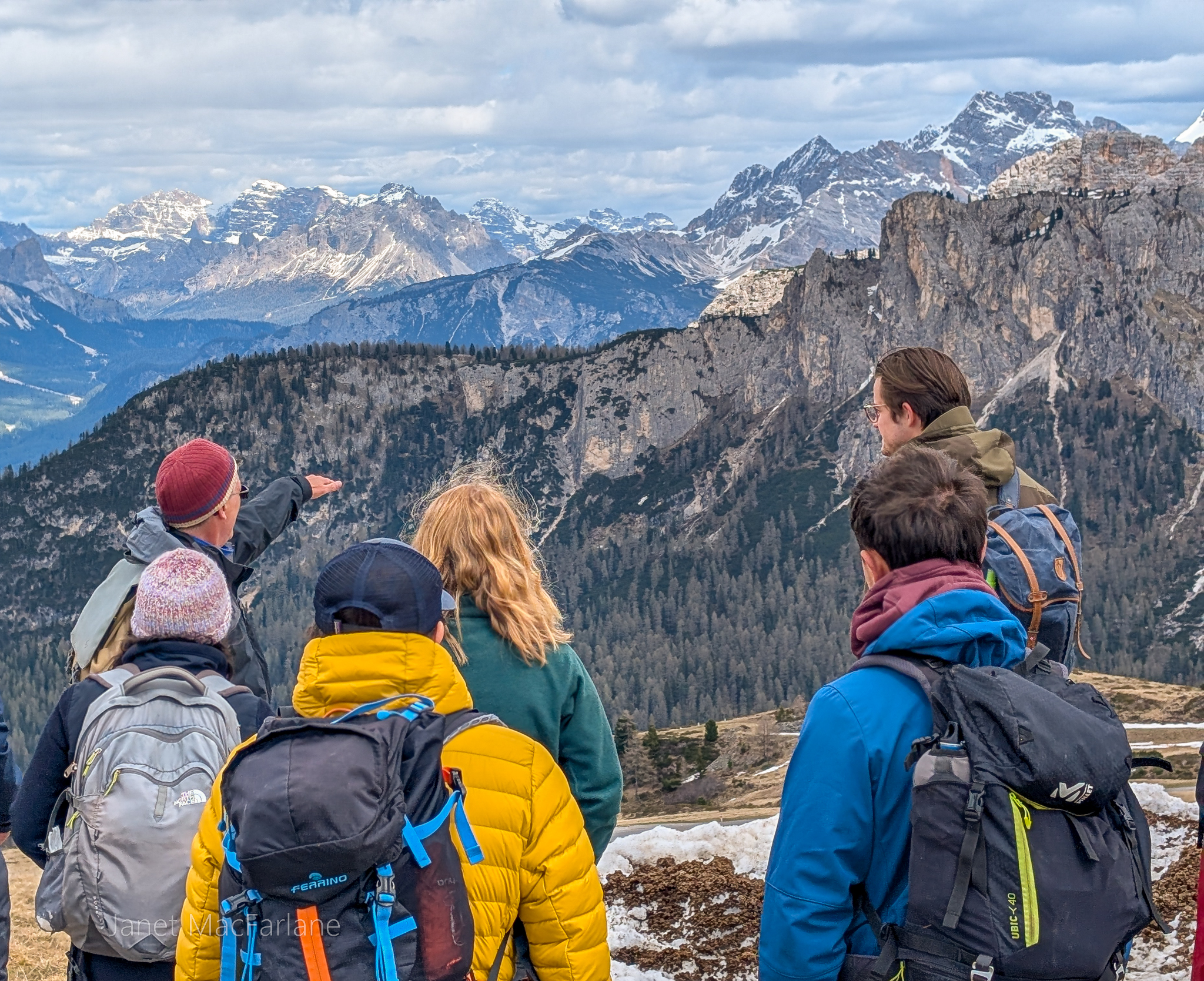
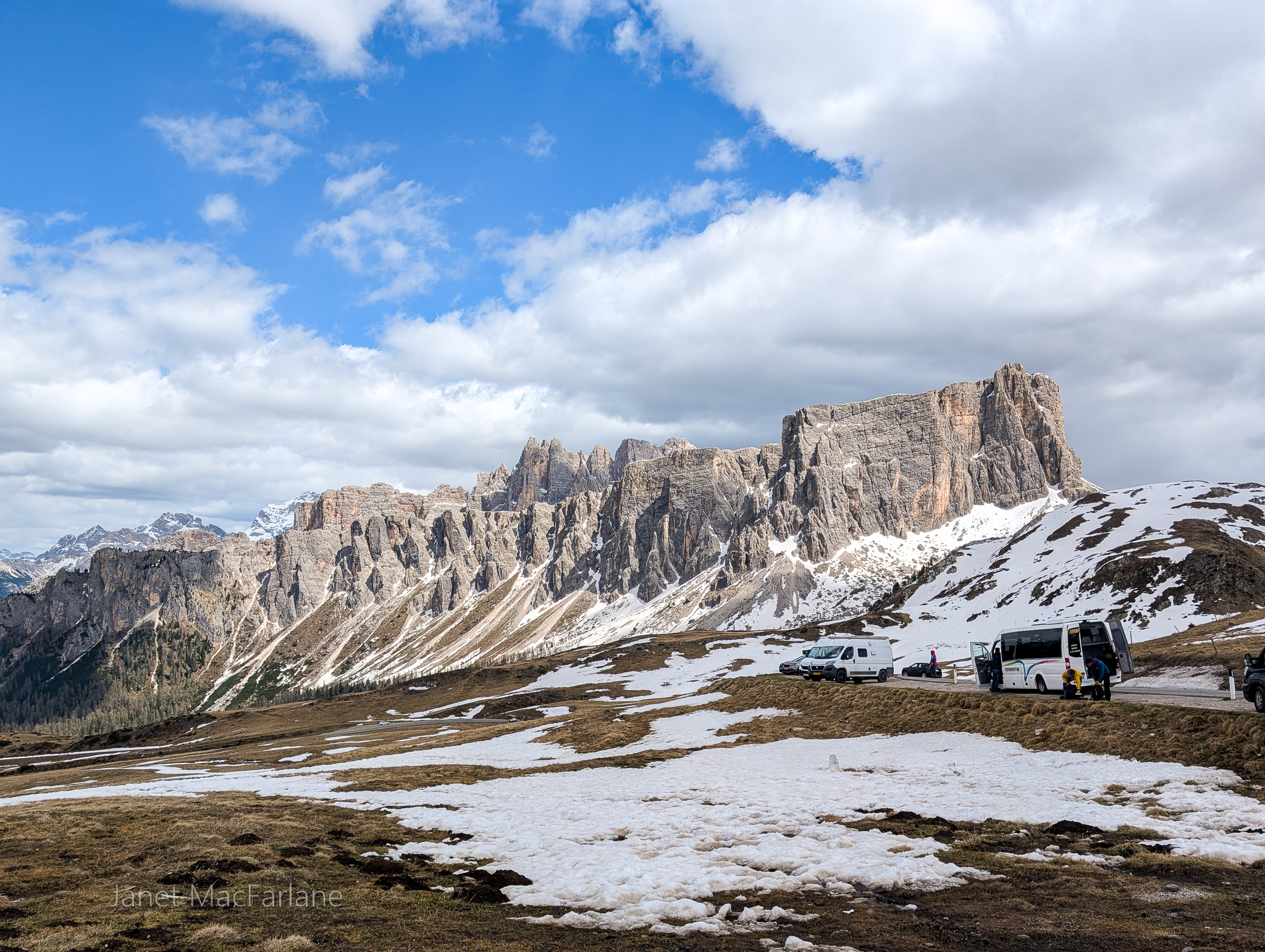
I was fortunate to be able to join David and his Functional Ecology of Trees class to the Dolomiti. The Dolomiti, also known as the Dolomite Mountains, Dolomite Alps or Dolomitic Alps, are a mountain range in northeastern Italy. They form part of the Southern Limestone Alps and extend from the River Adige in the west to the Piave Valley in the east. As part of the forestry course that David is teaching at the University of Padova, David brought his class of international graduate students to different altitude zones of the mountains to see what species were growing there. First we went to a mixed forest stand in the Mountane Altitude zone(1115m elevation) and then we went up to the tree-species line in the Subalpine-Alpine zone of (2295m elevation). From there we descended through Subalpine and High-montane zones. The focus, of course, was on the trees and how they survive and adapt to these conditions.
We traveled by a bus. There is an infrastructure in place to support visitors. In fact, were travelled through Cortina, where a portion of the next Winter Olympics will be held. Let me just say that I am glad that we were on a small bus rather than one of those massive tour busses. The roads are narrow, twisty and winding! I am not what one would call an adventuresome driver, so even on the little bus, I would have to avert my eyes now and again. The scenery was absolutely stunning. I just wanted to snap pictures of it as we passed. They would be garbage pictures for sure, so I contained the urge and just absorbed the beauty as we drove by.
Our first stop was a mixed forest. It was lush and green on this spring day. The backdrop was incredible.
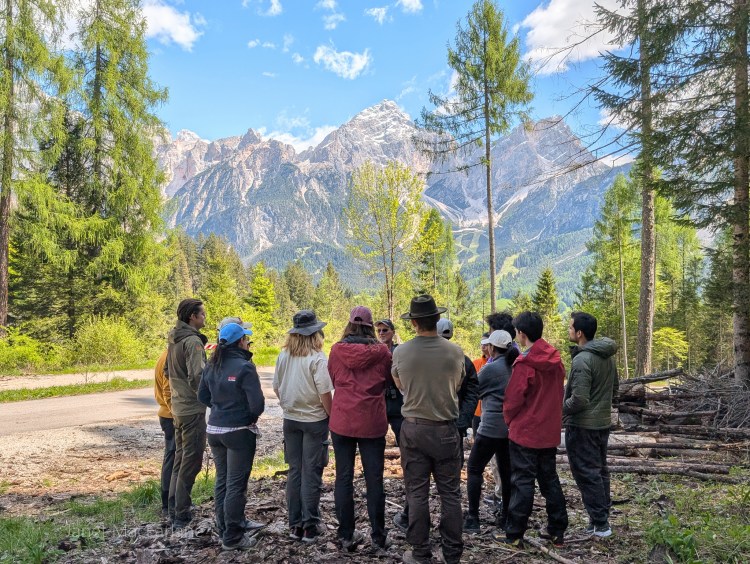
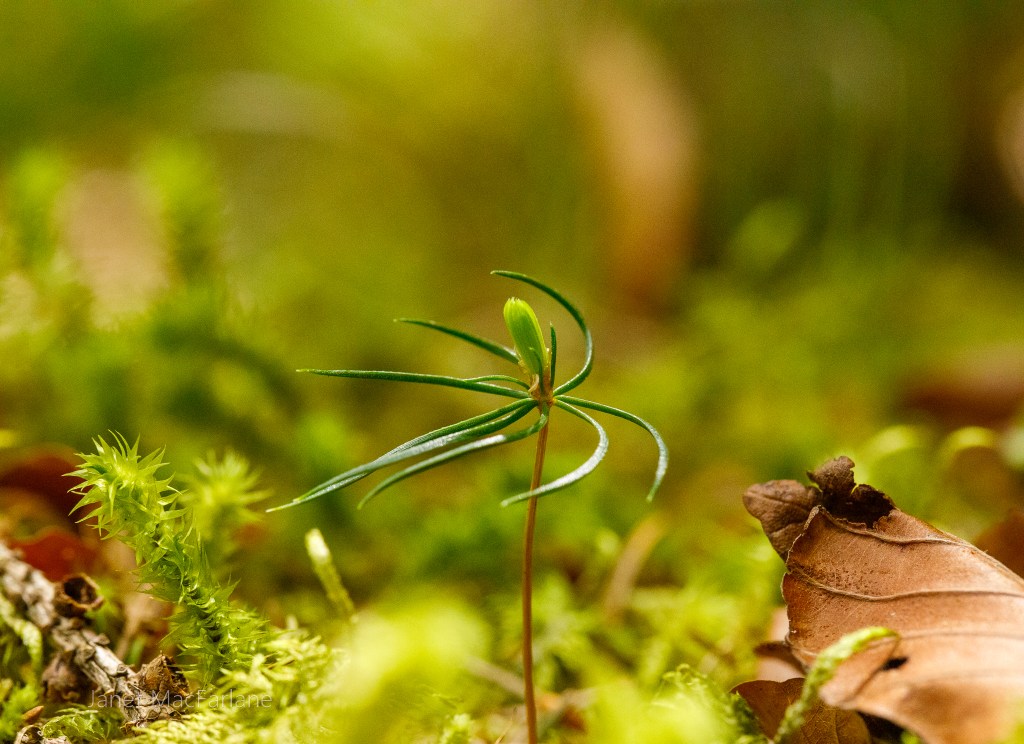
David took his class through the forest and pointed out the different trees and how they grew and functioned at this altitude zone. Spruce trees germinate on layers of moss growing on stumps of old trees.
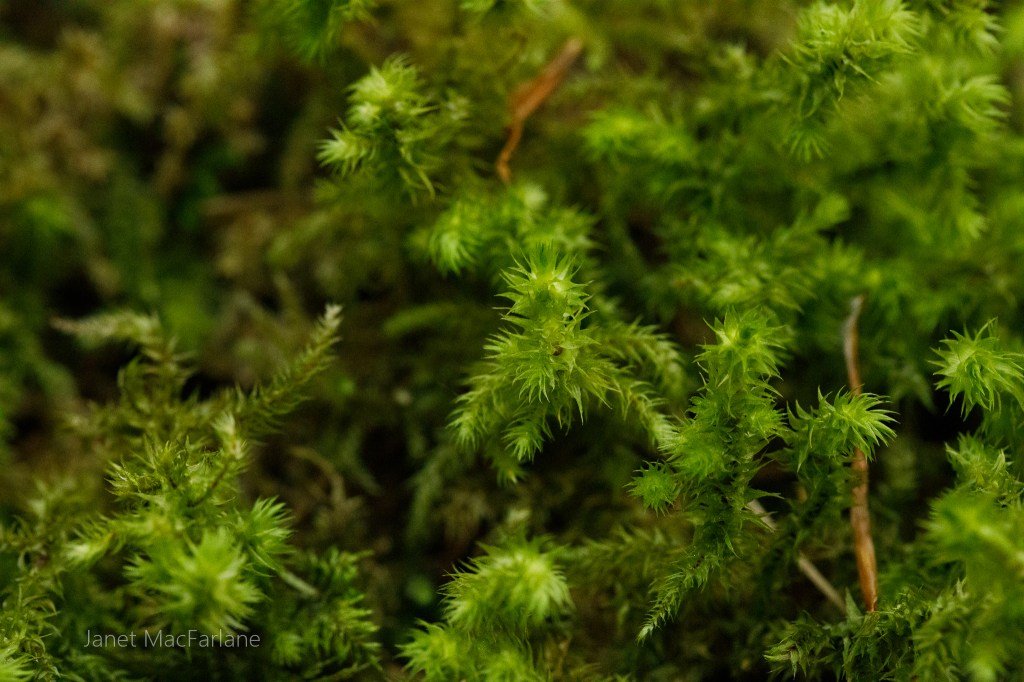
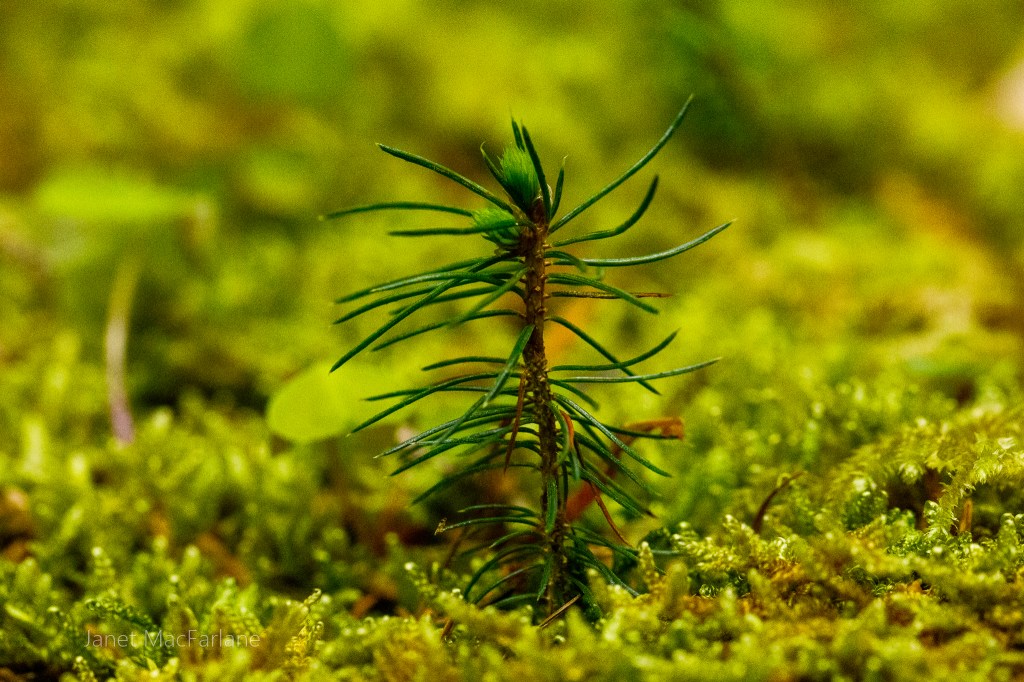
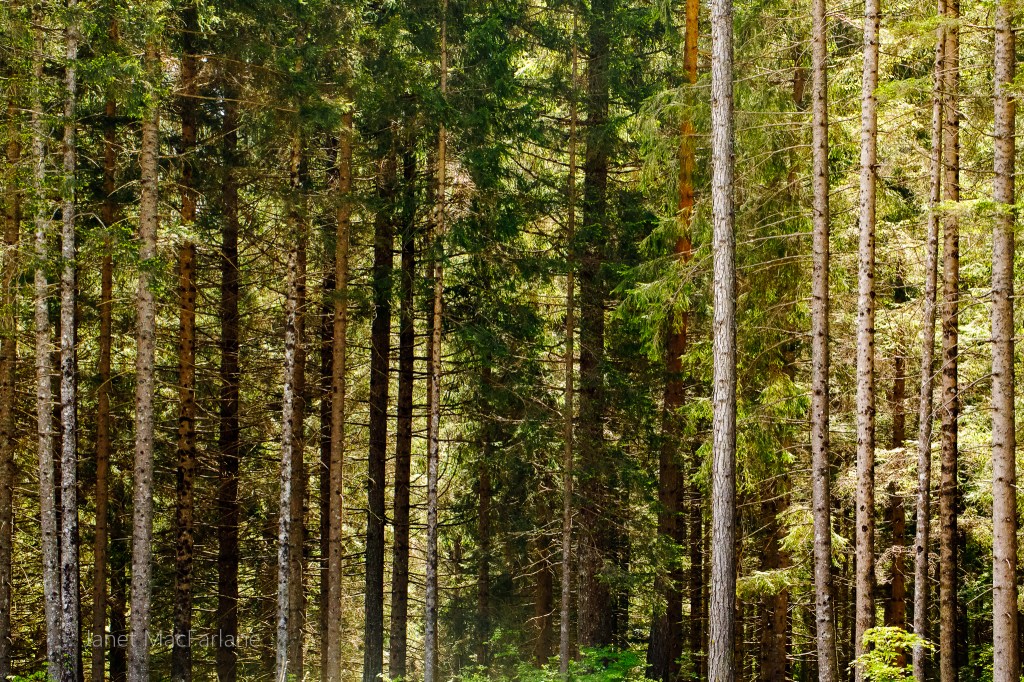
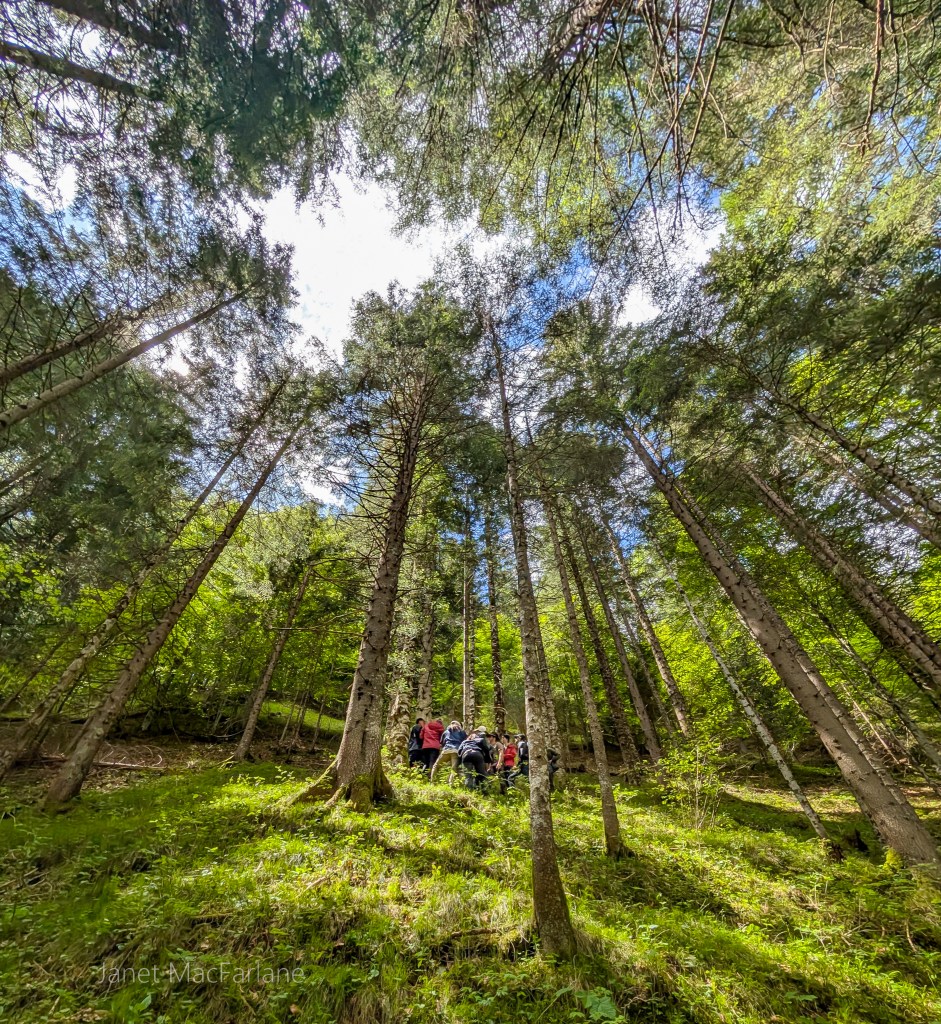
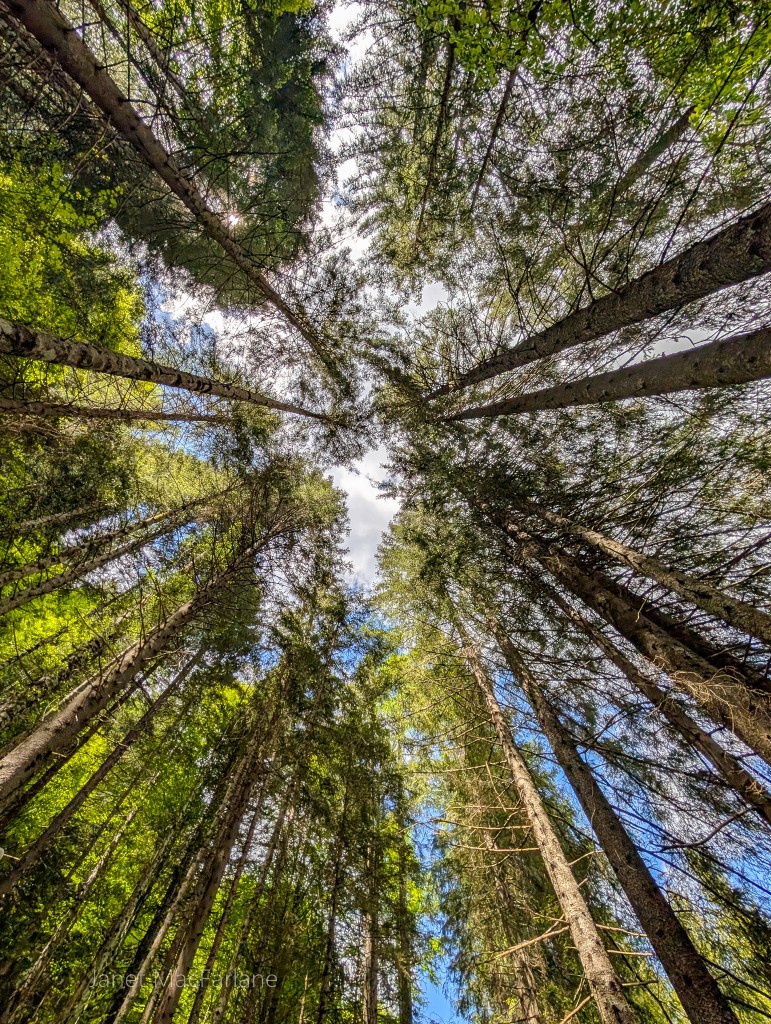
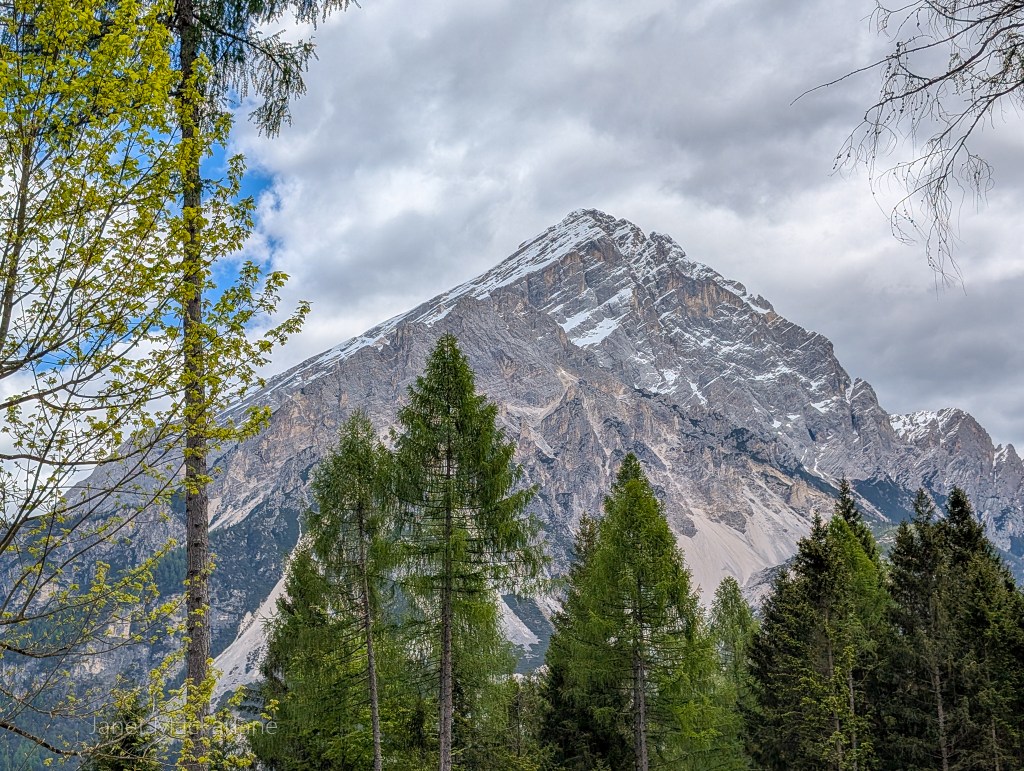
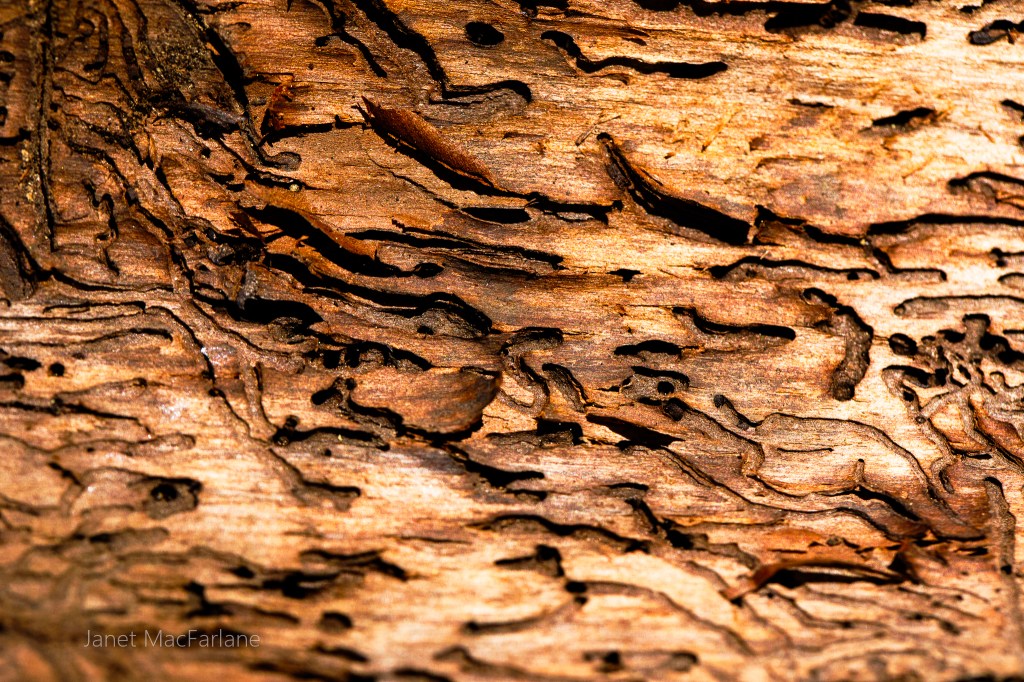
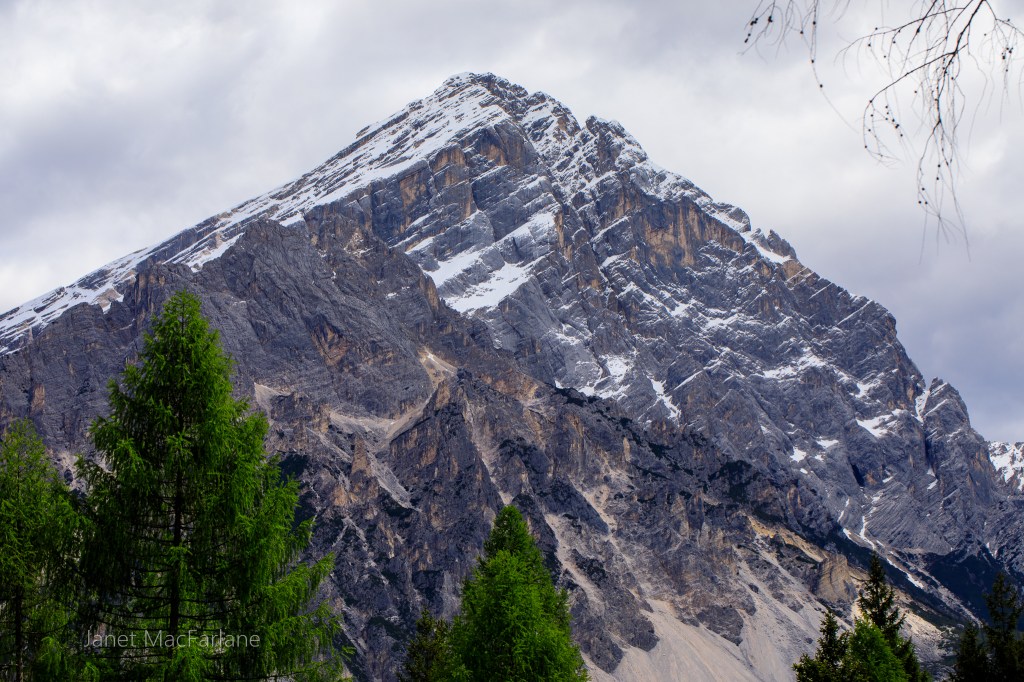
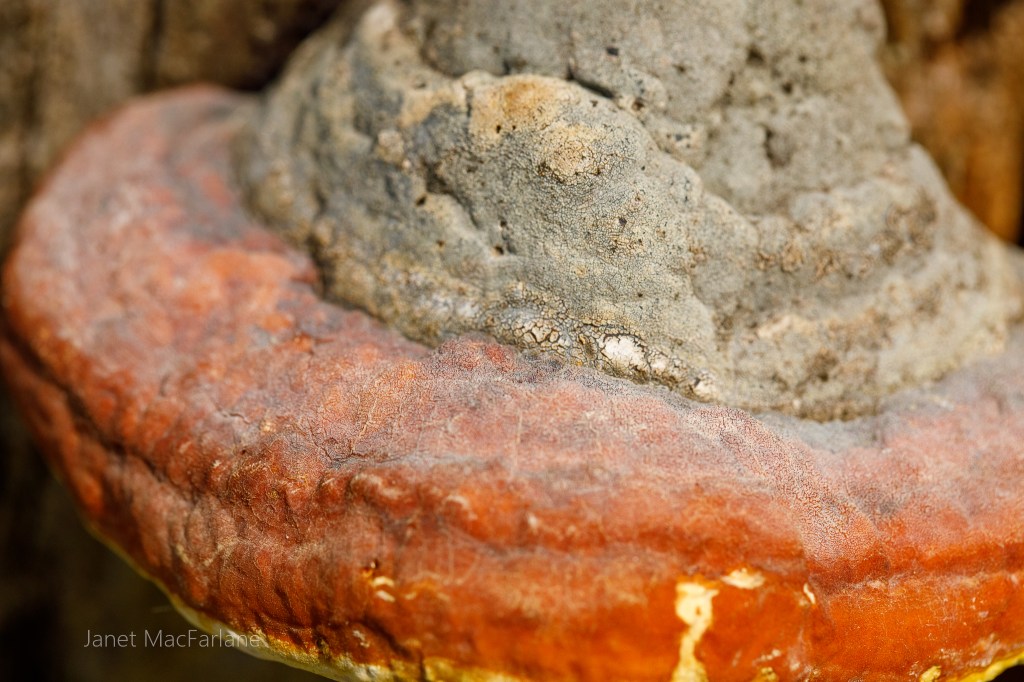
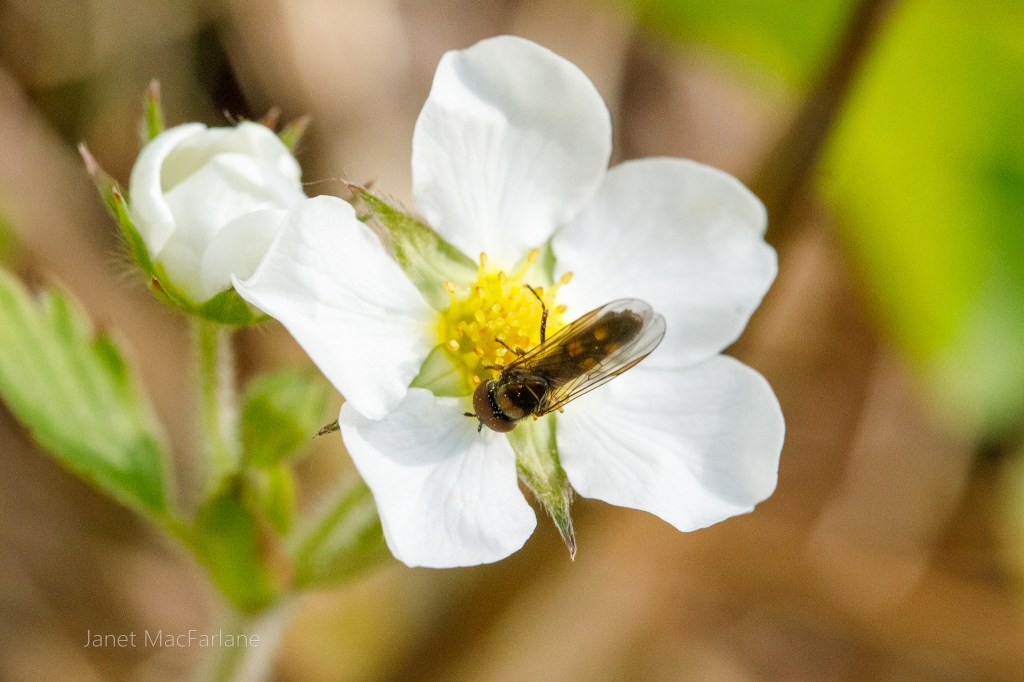
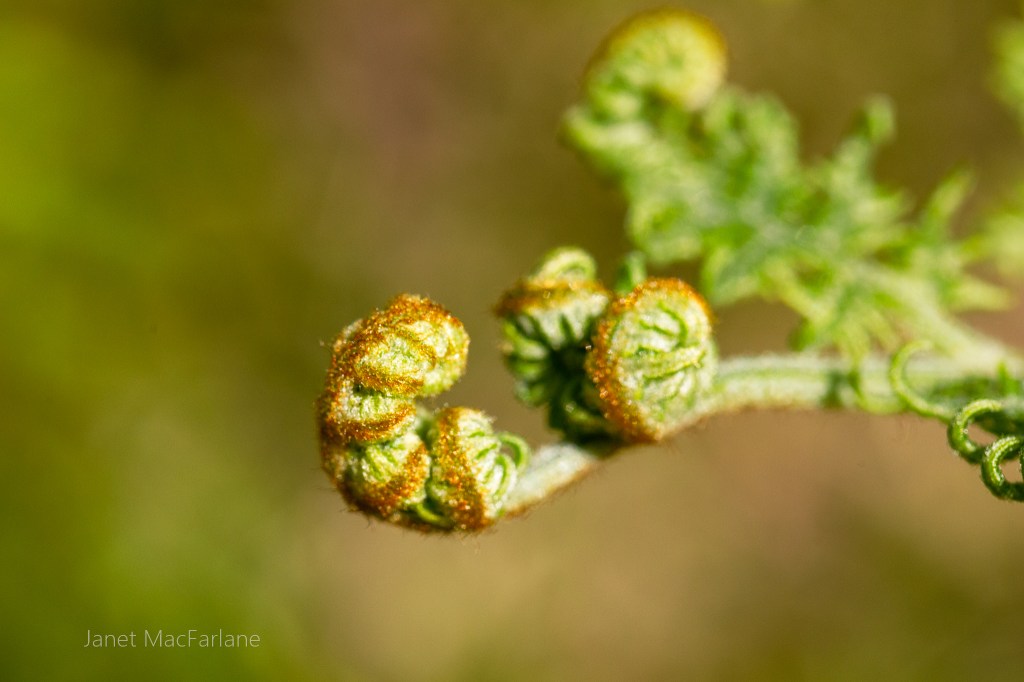
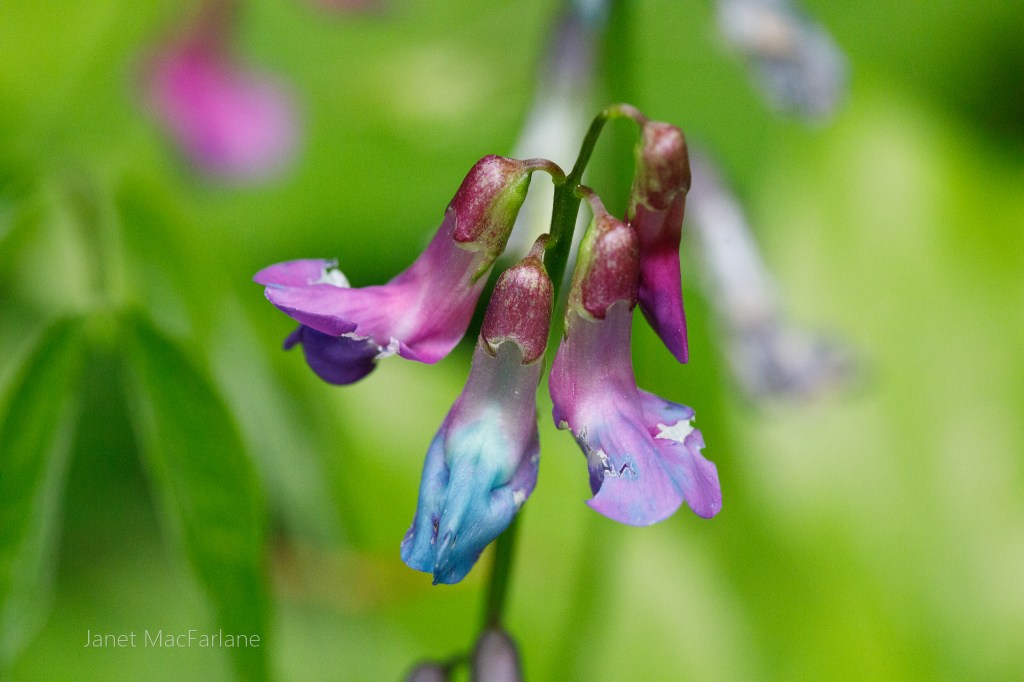
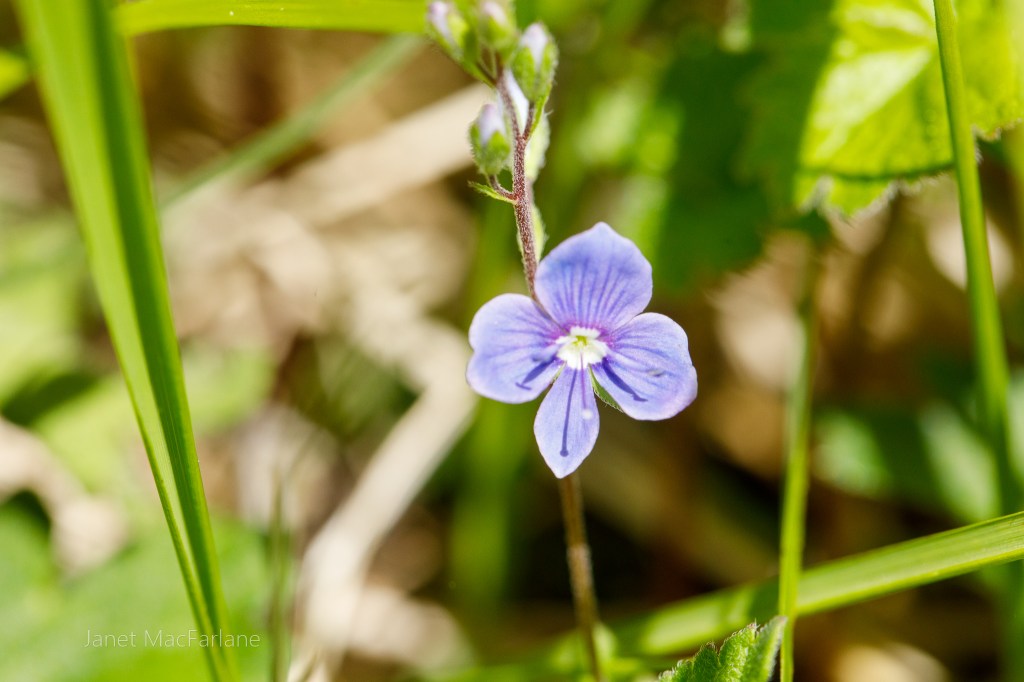
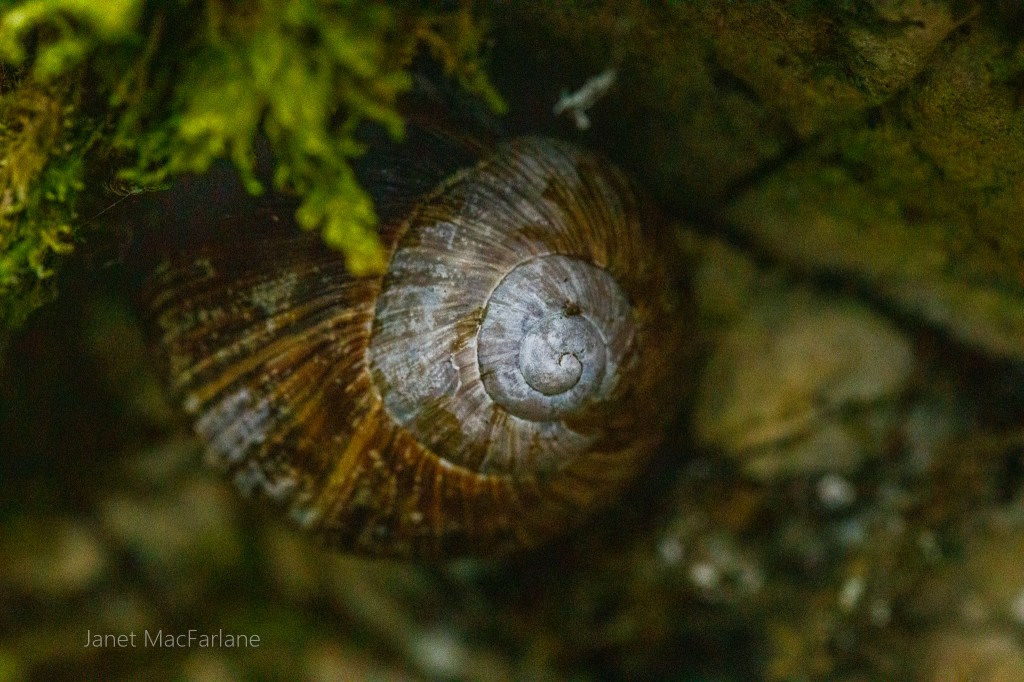
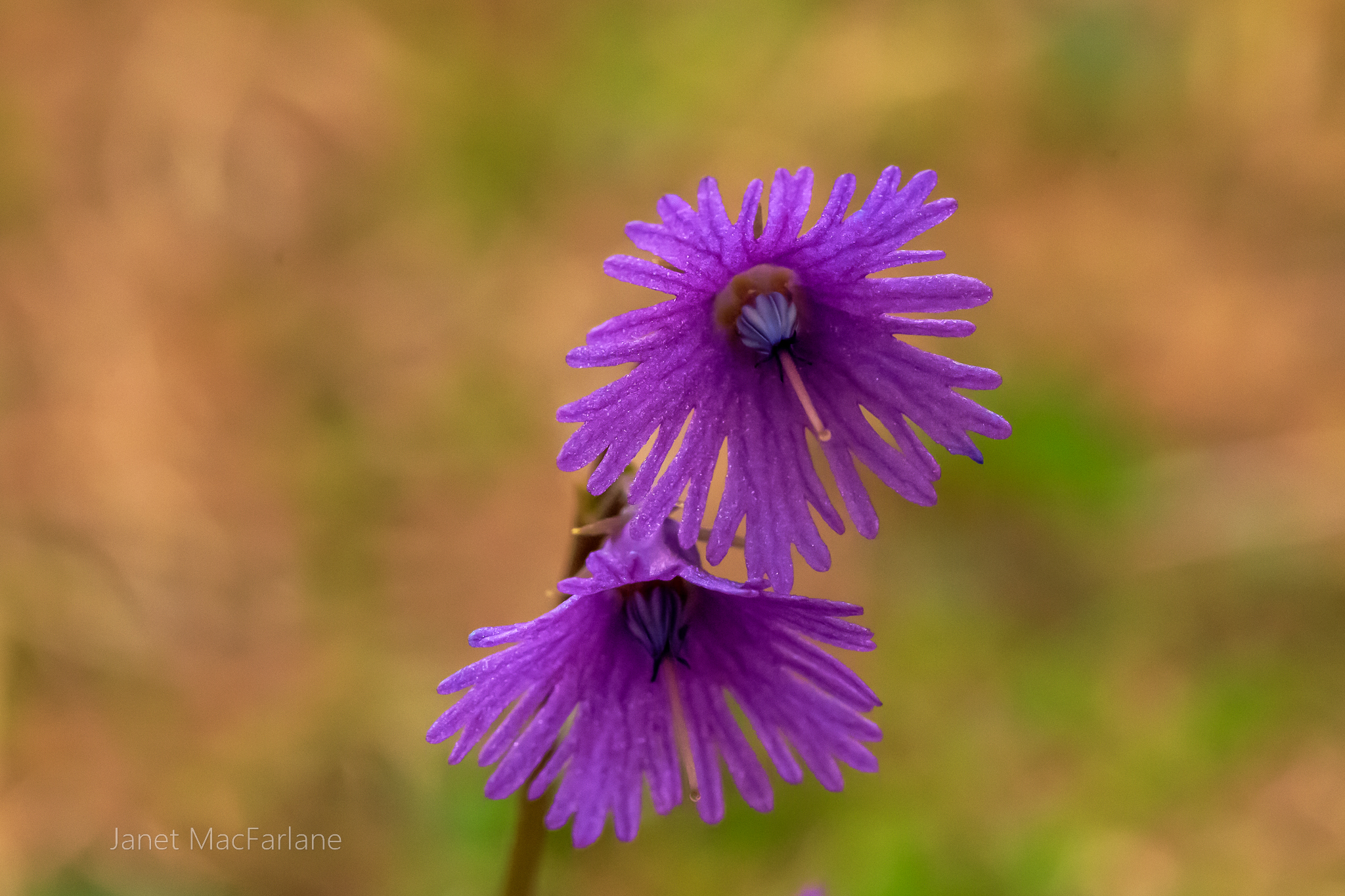
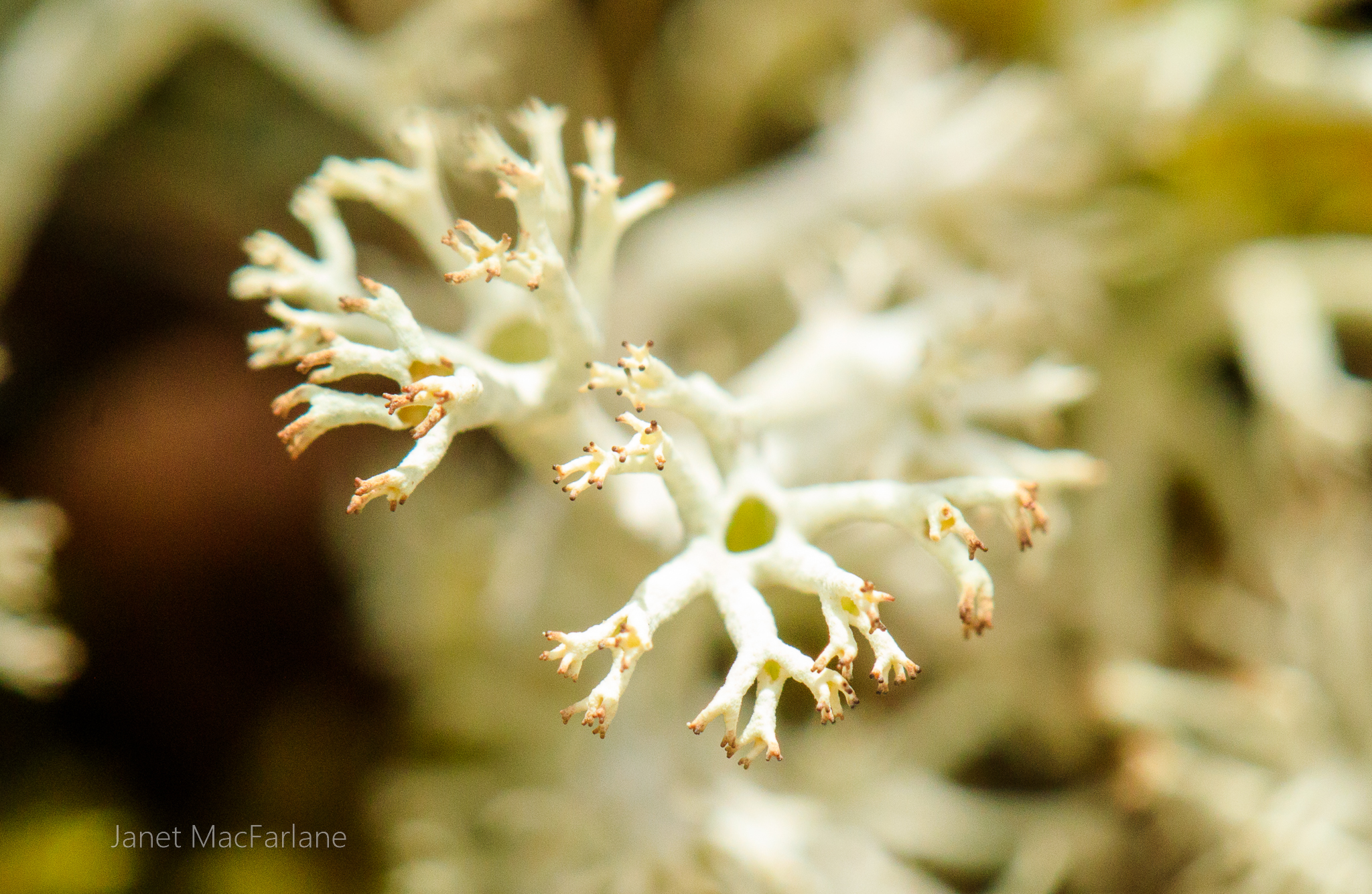
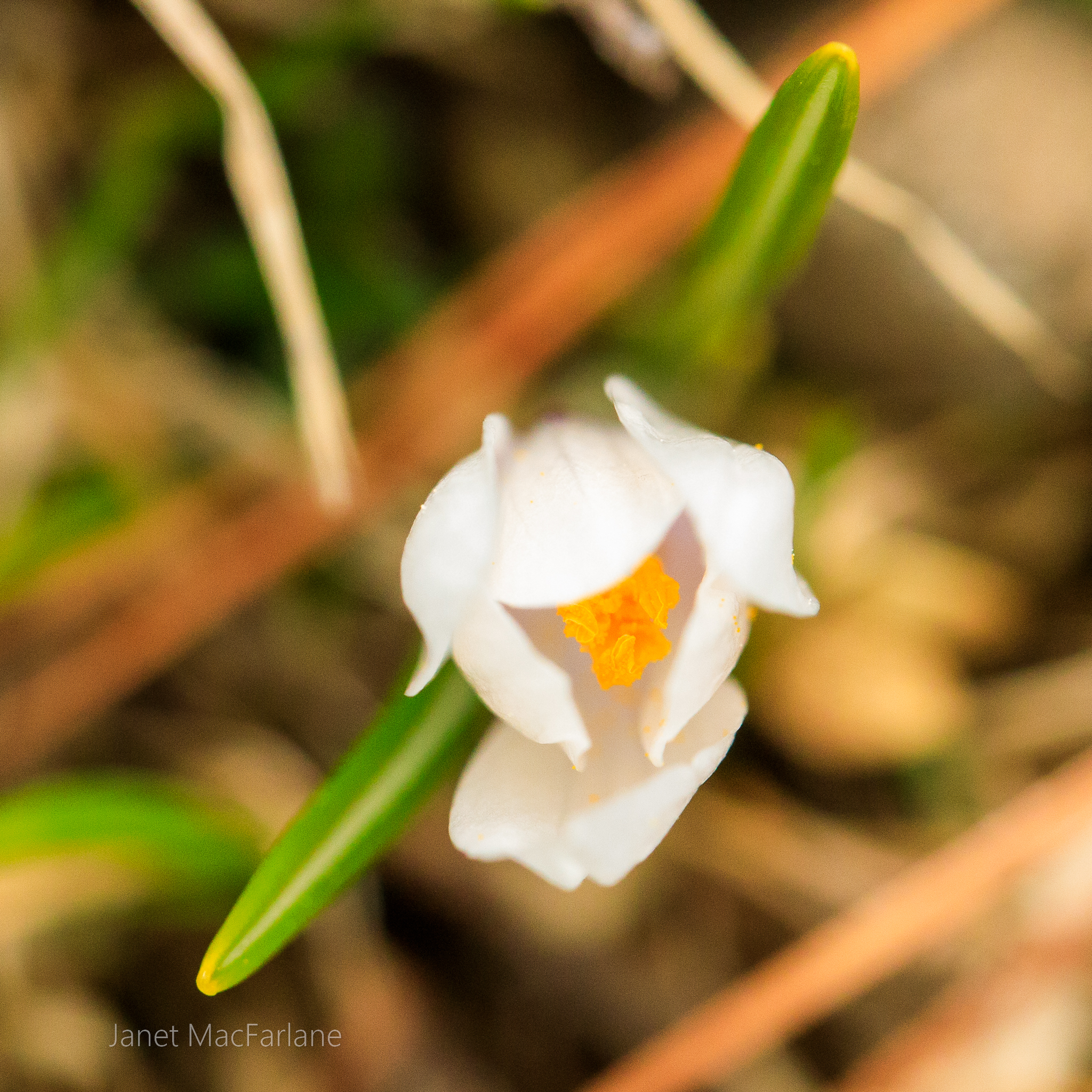
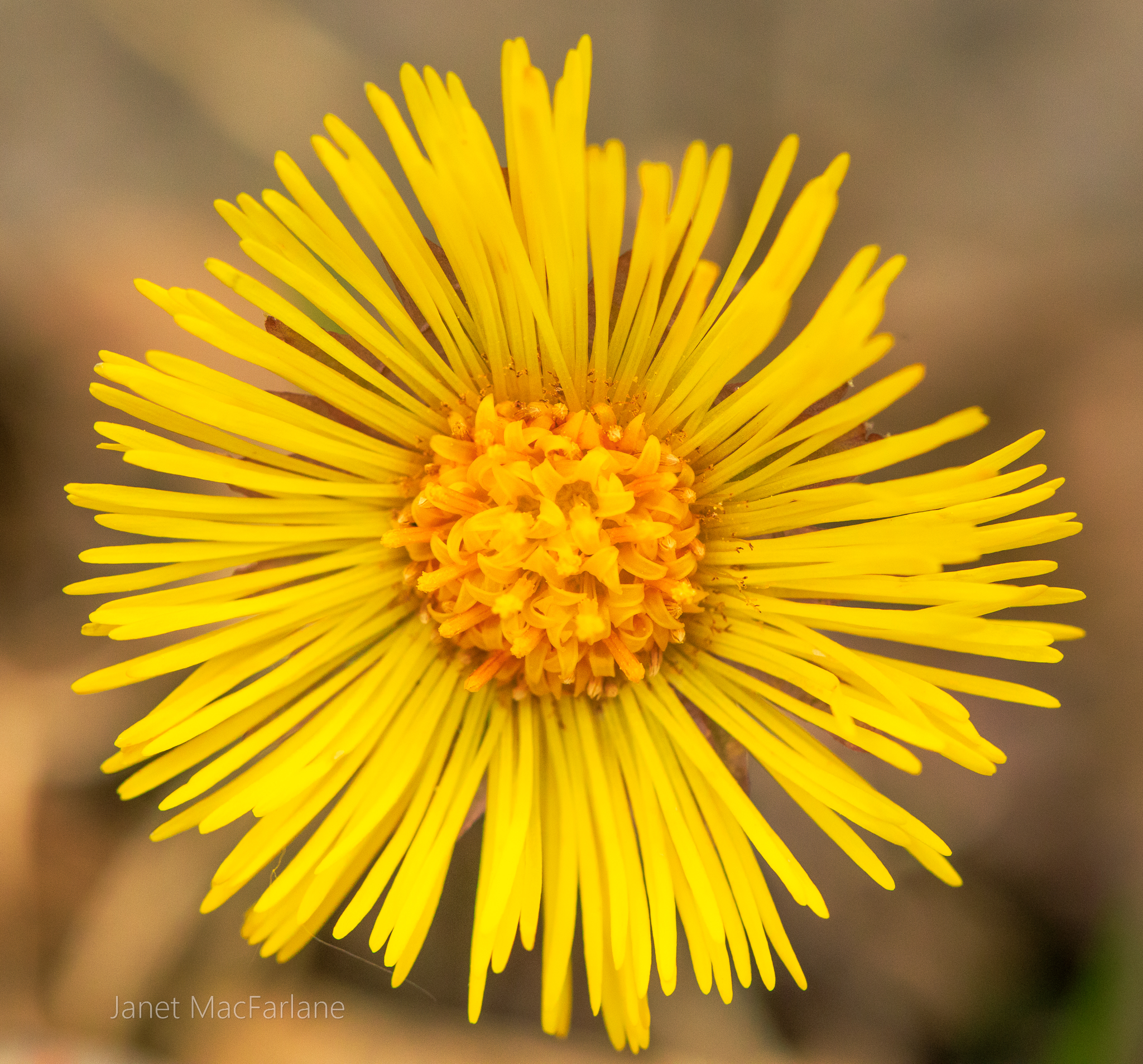
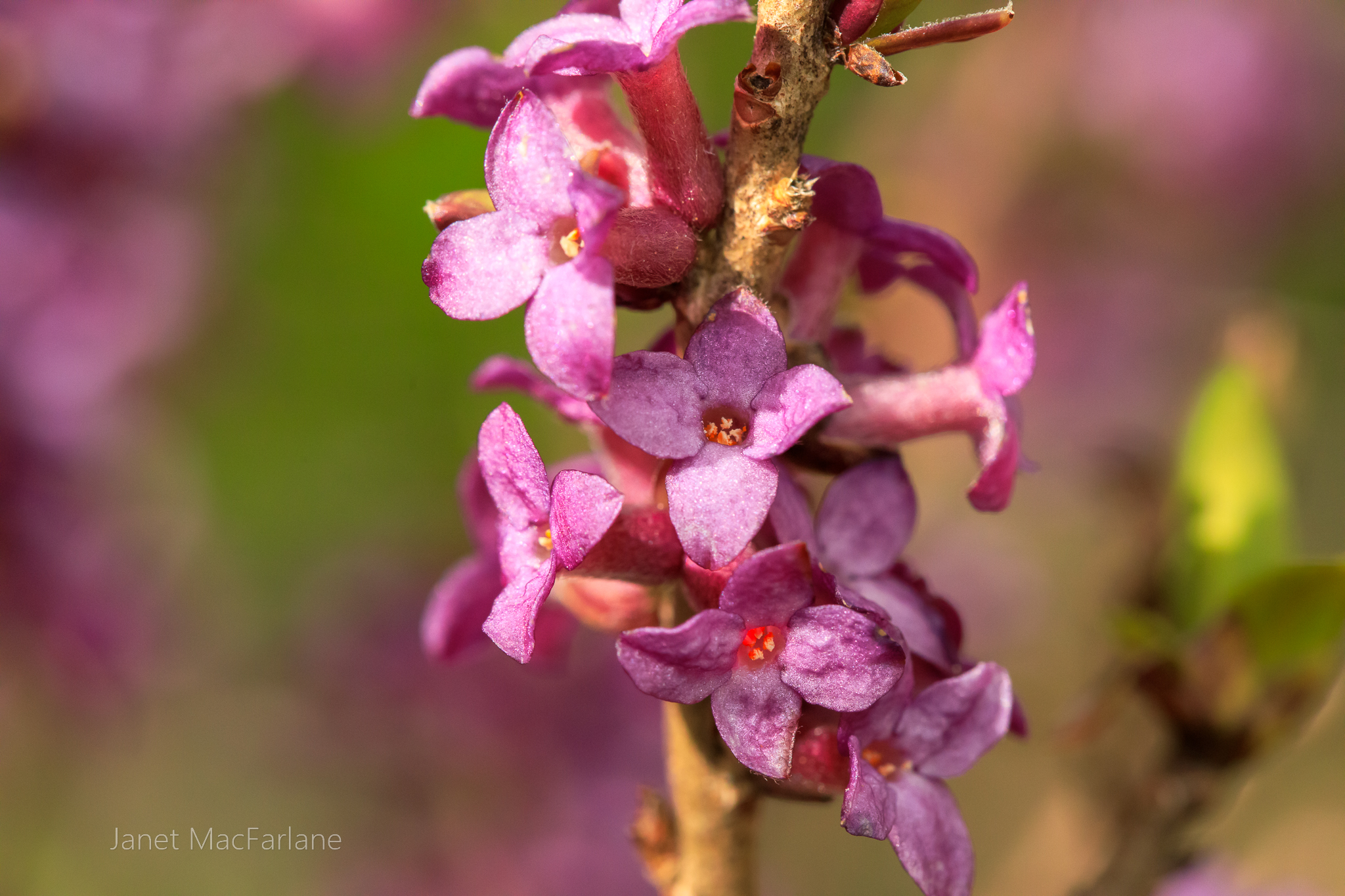
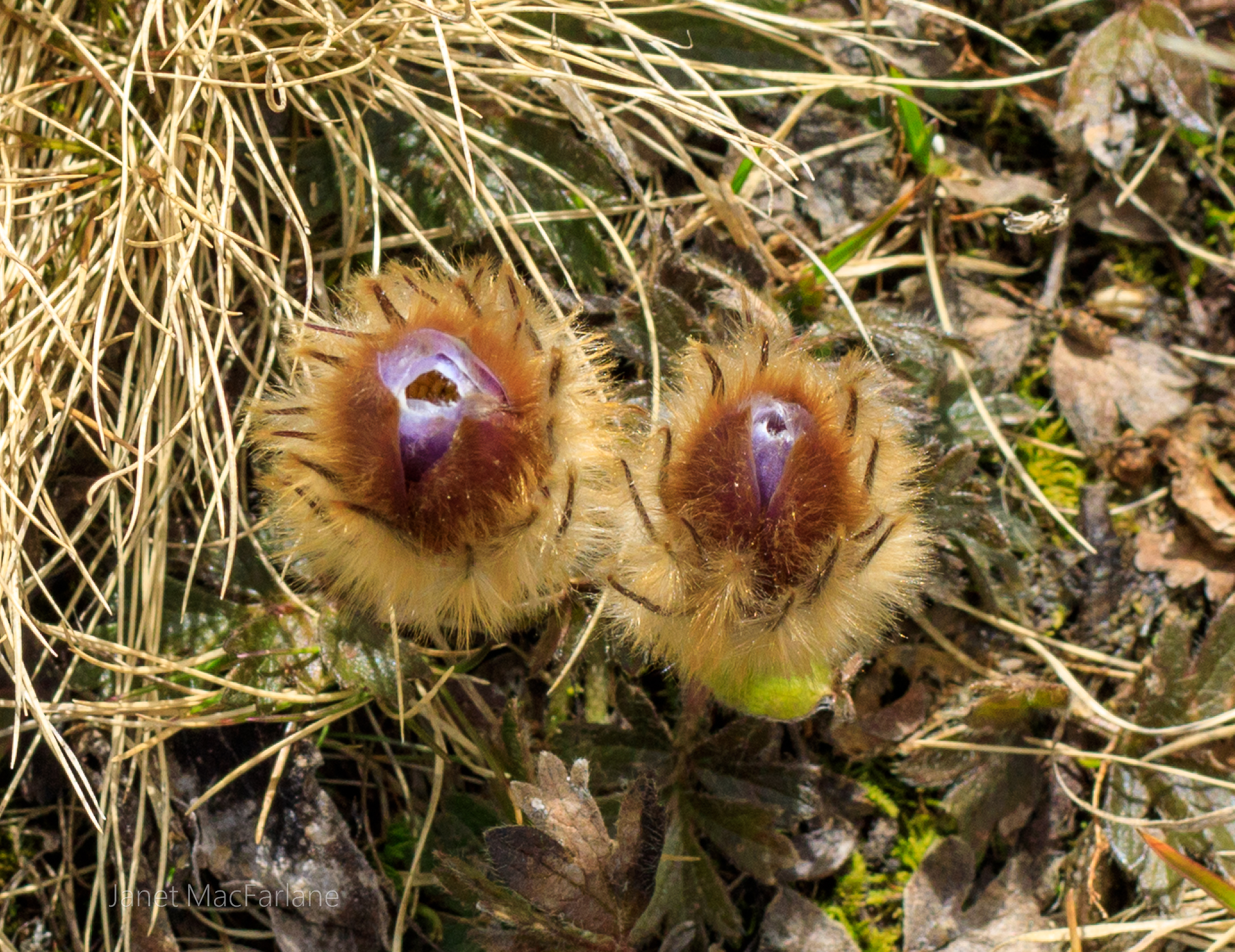
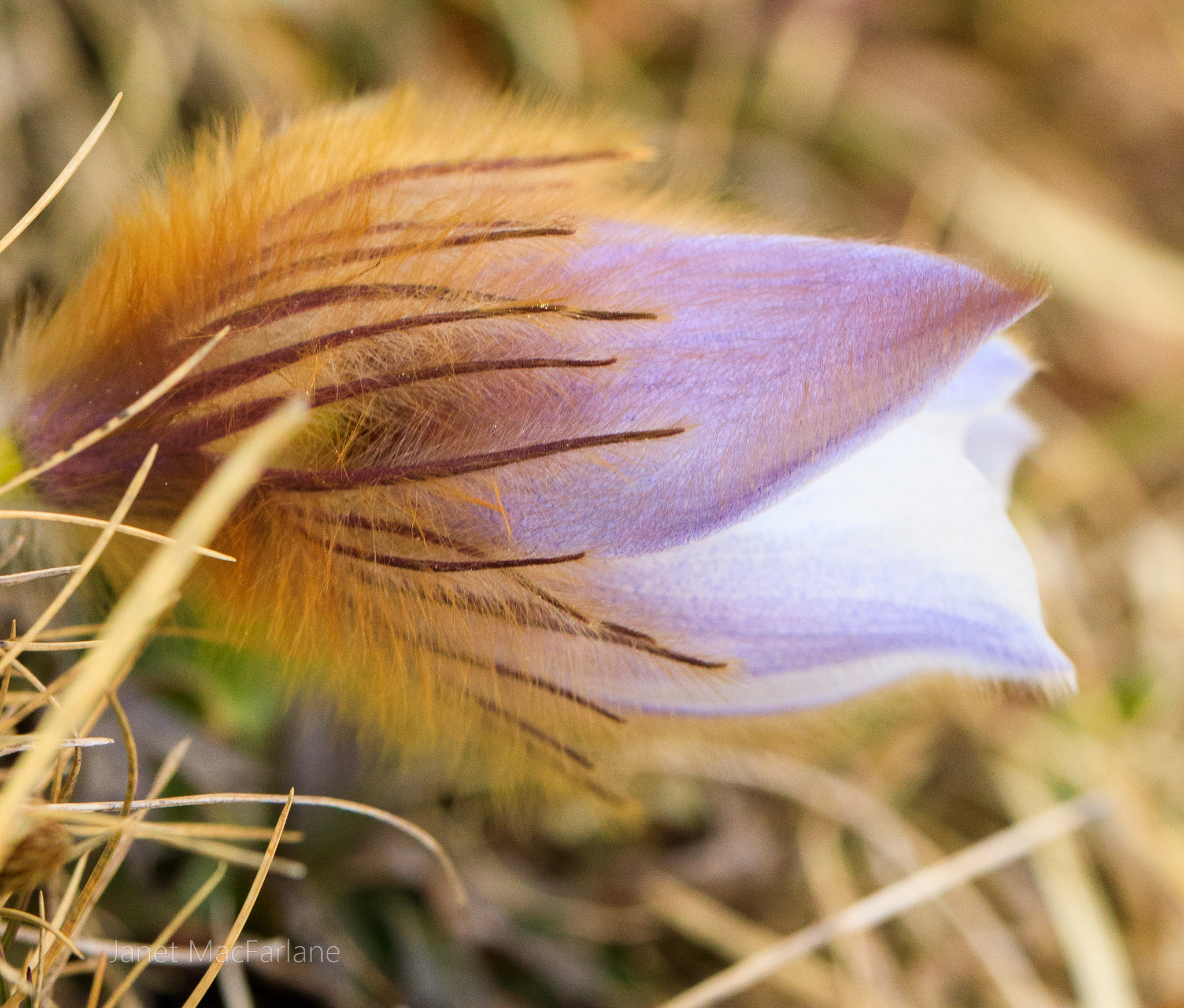
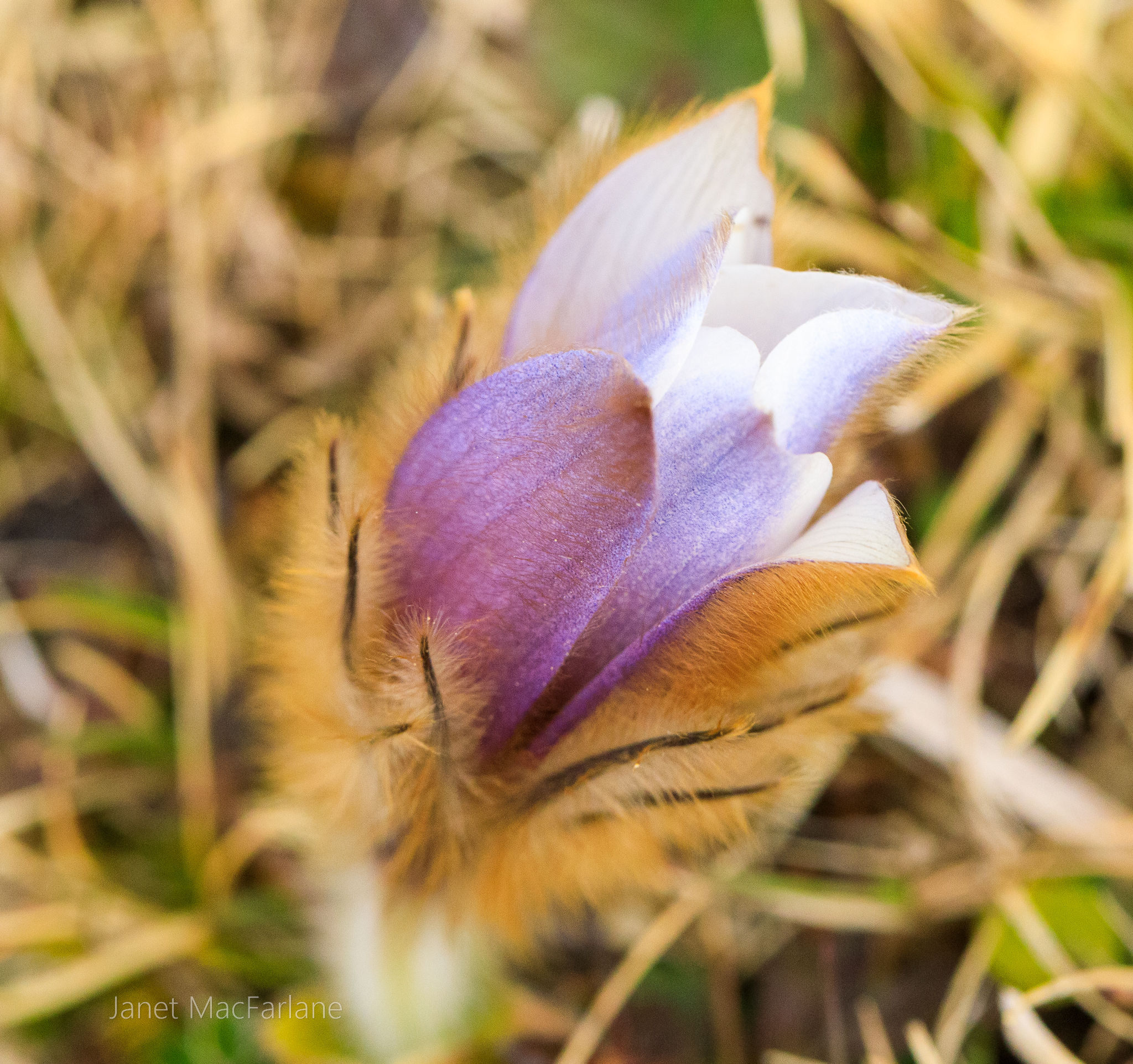
I took the opportunity to look for flowers and insects.
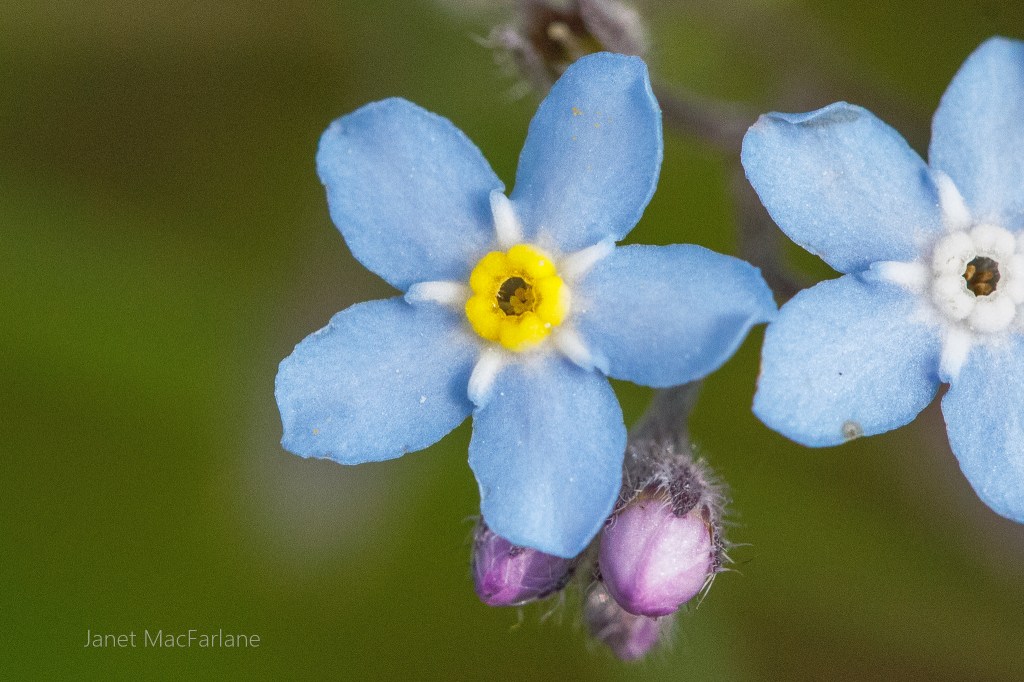
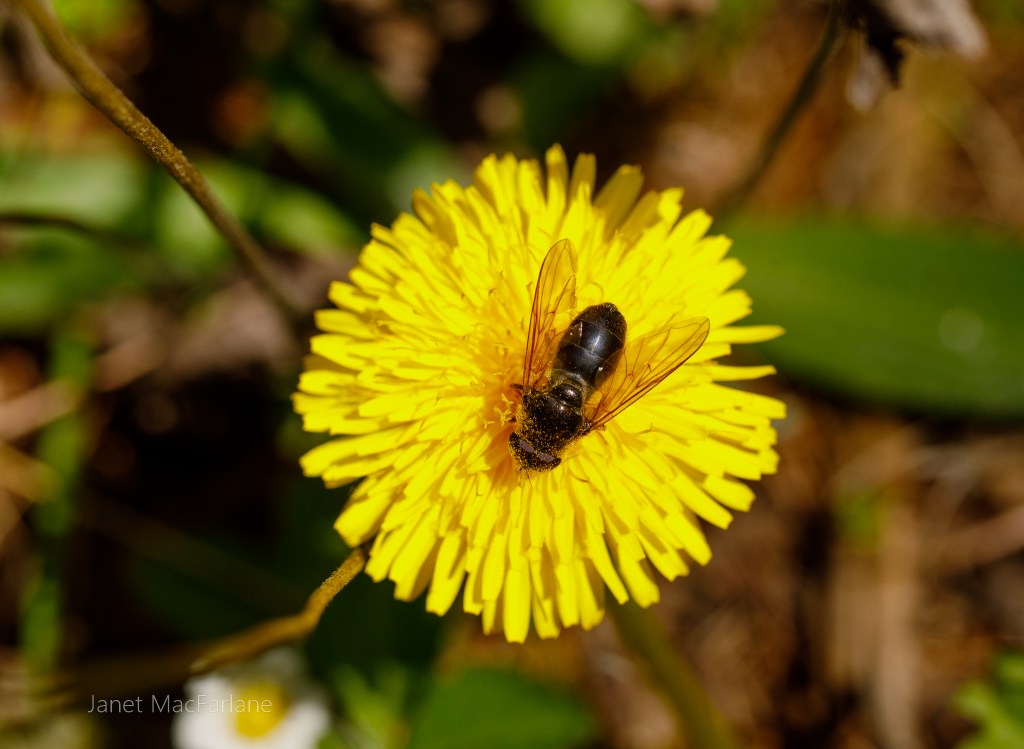
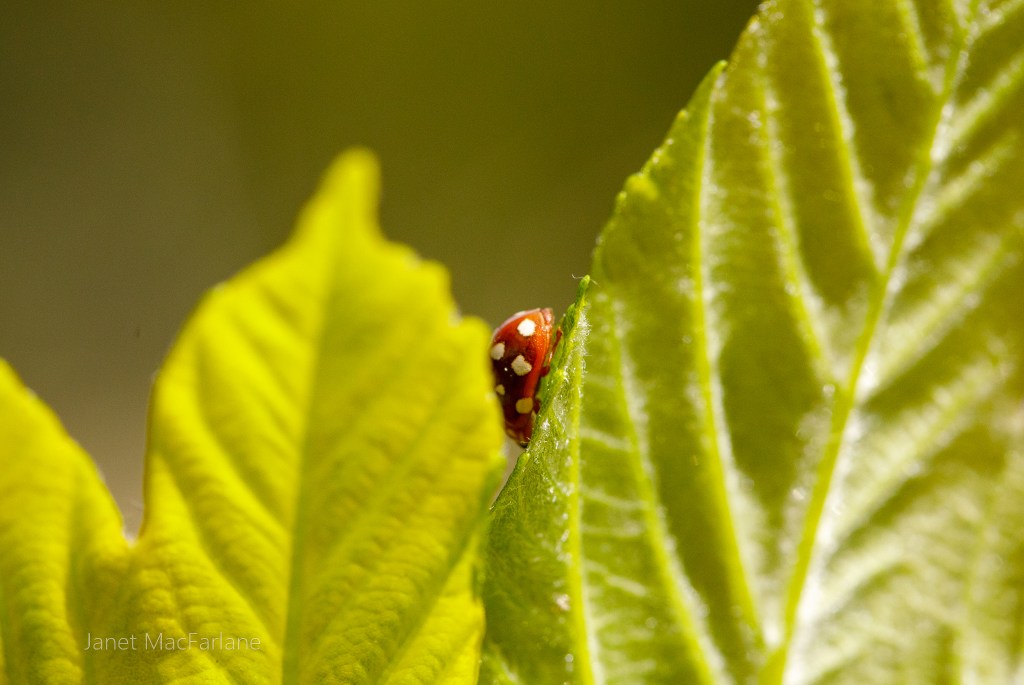
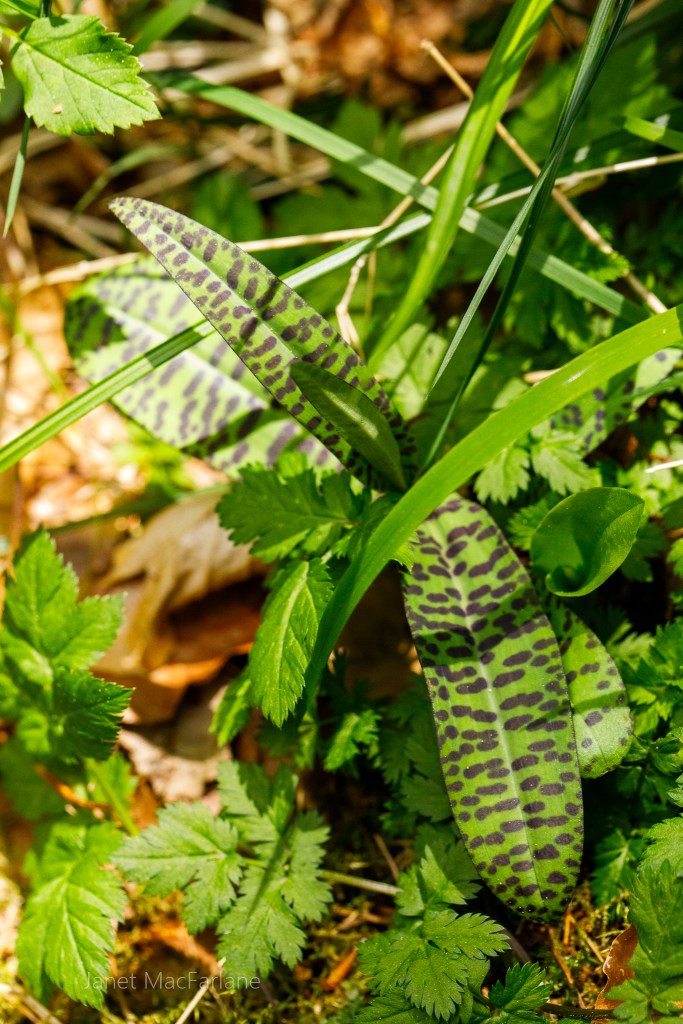
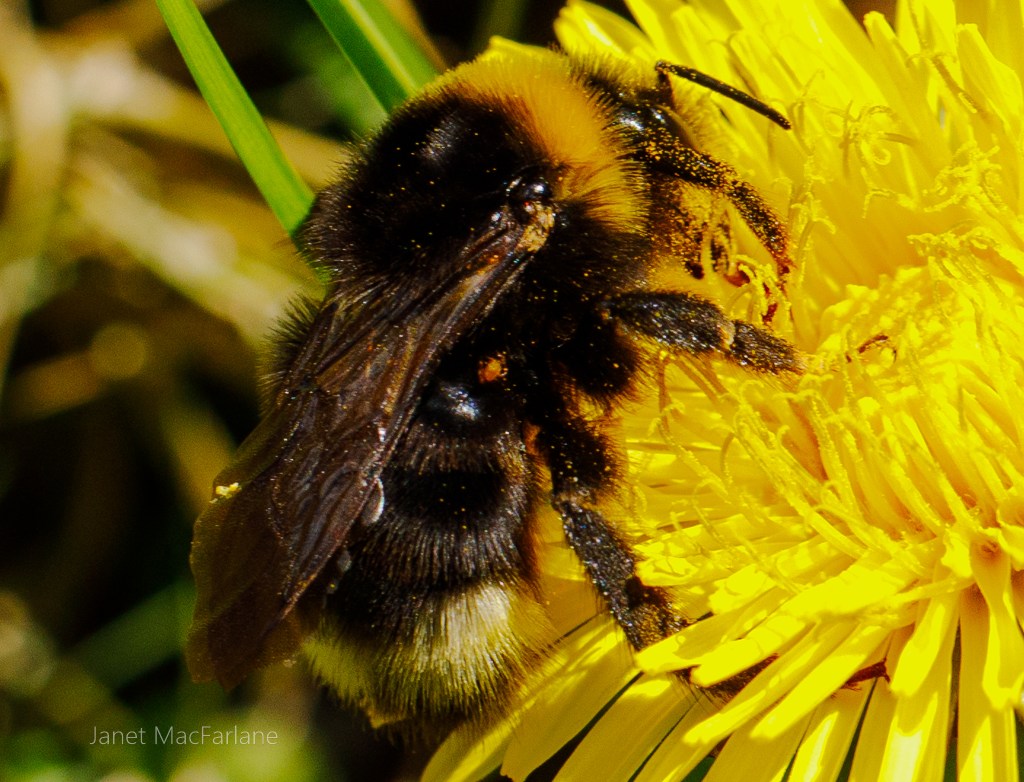
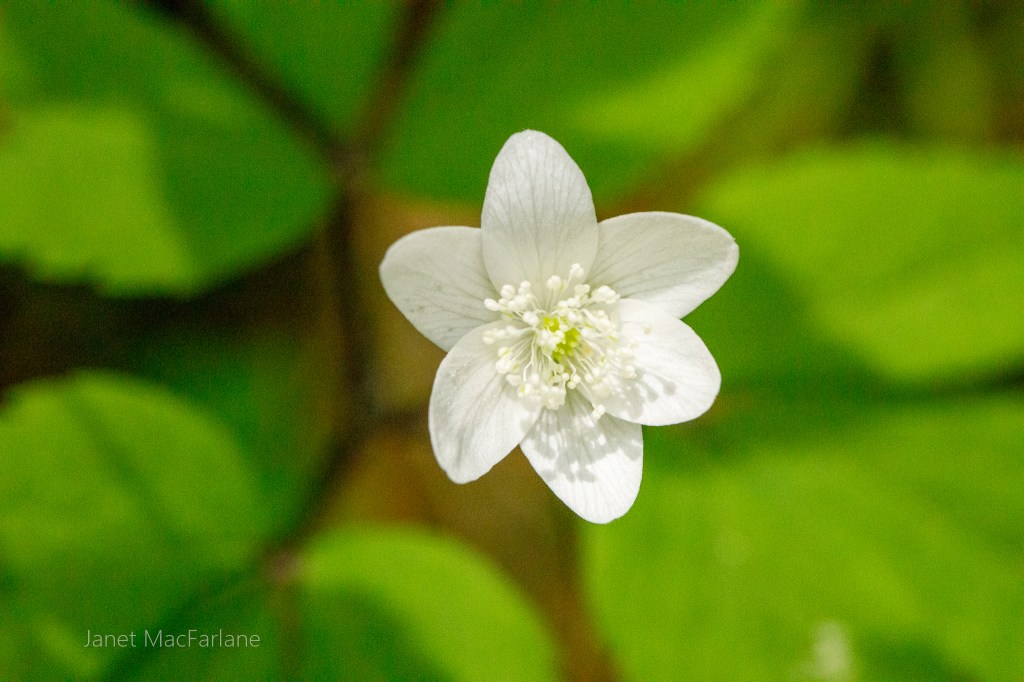
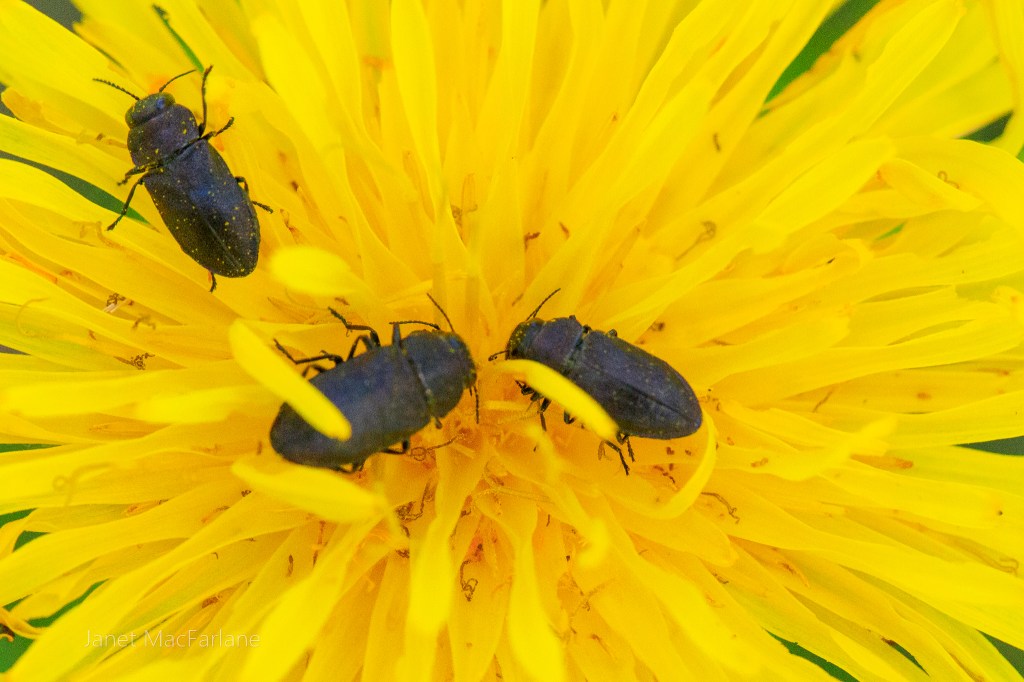
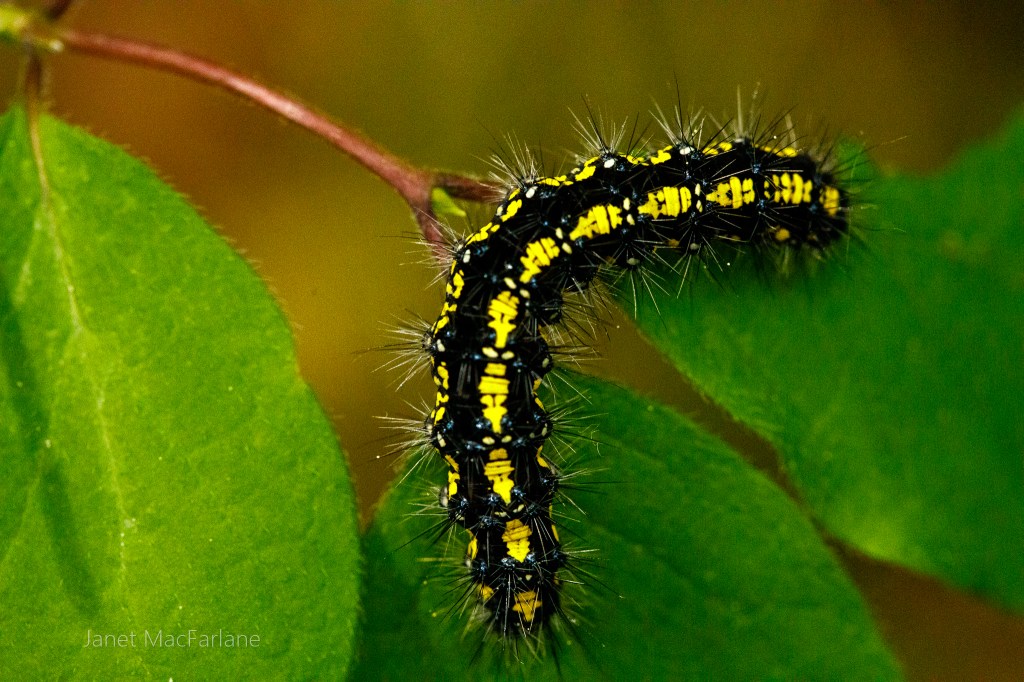
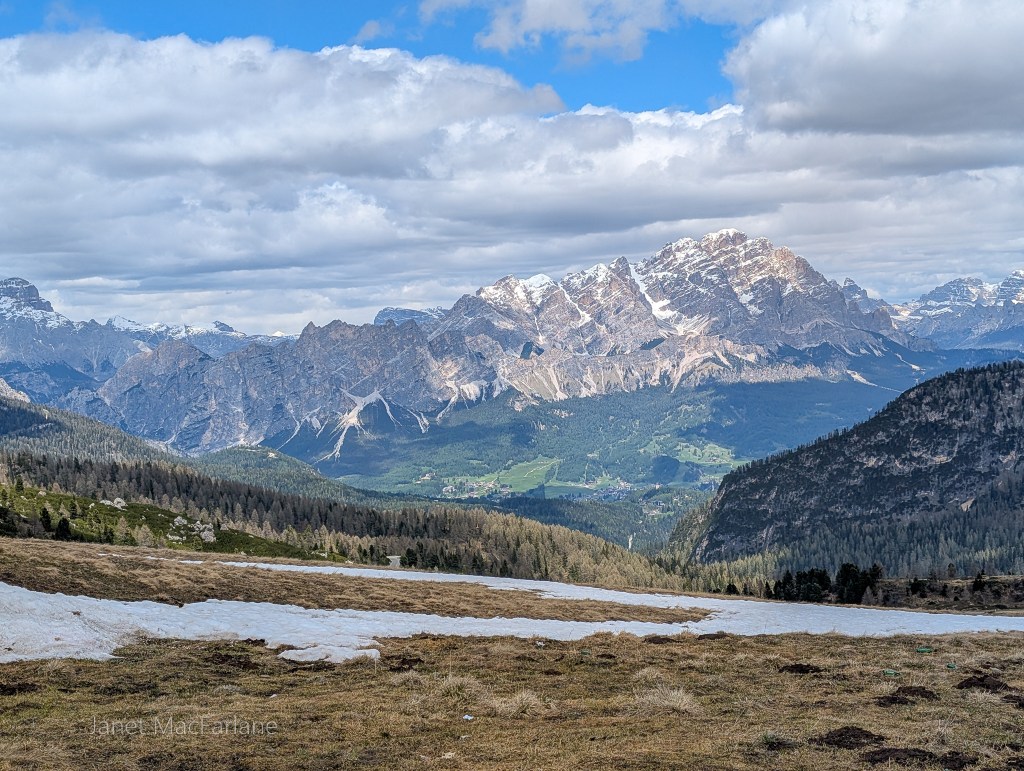
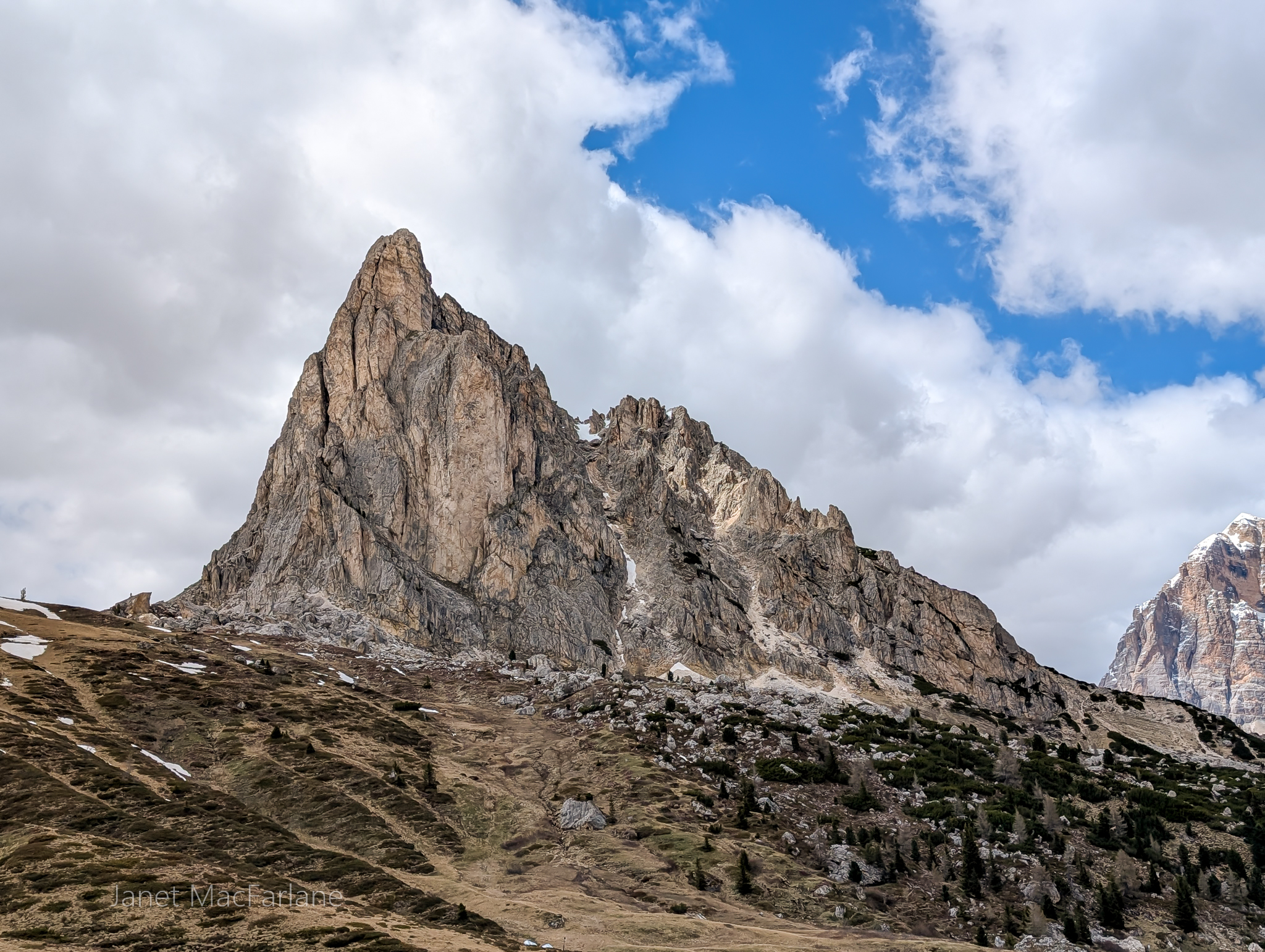
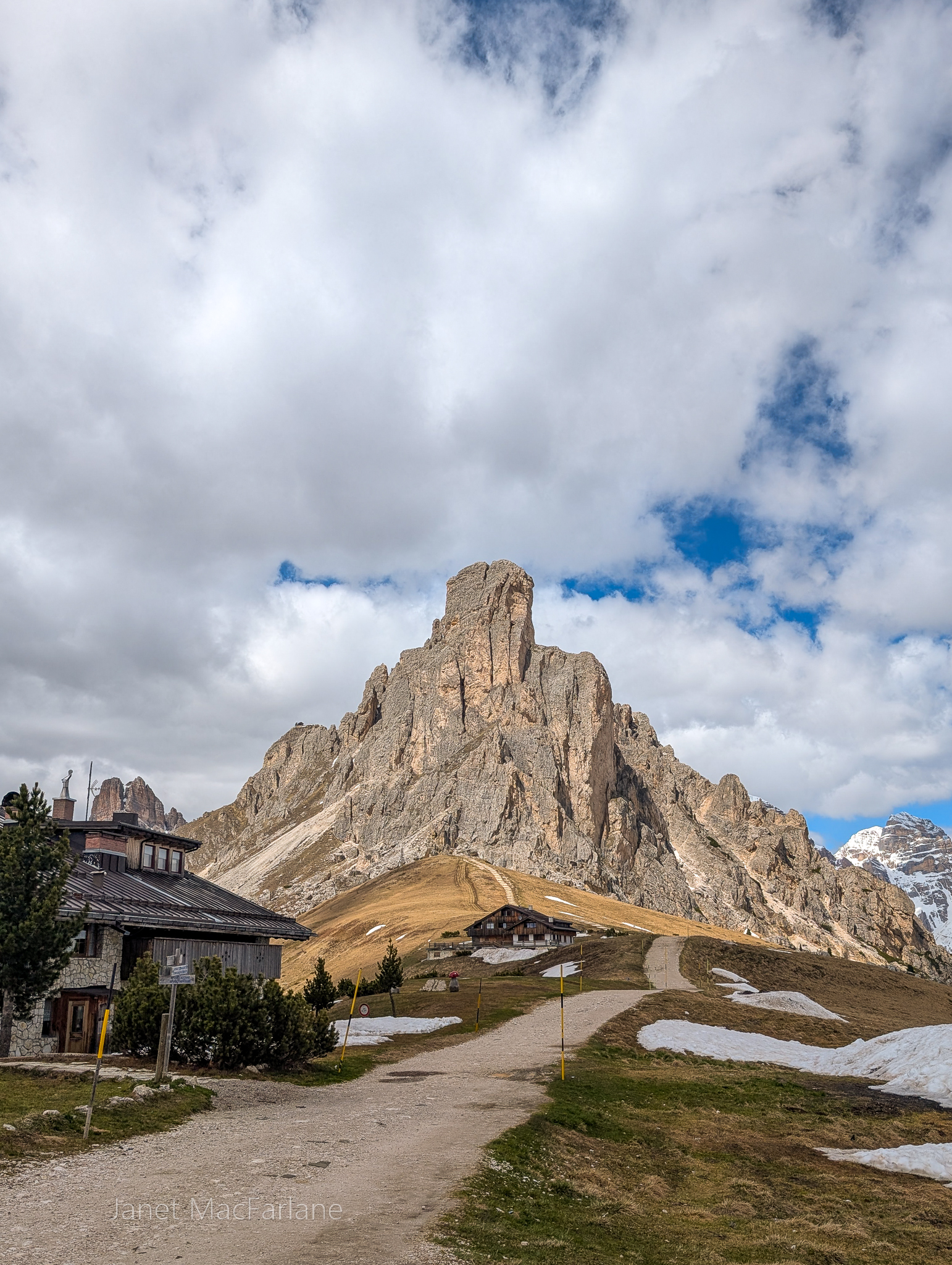
We boarded the bus again and travelled to another part of the mountains. We took a road winding up to the Passo Giau. The change in temperature was significant. It was cold and blustery. There was a little restaurant at our stop, but we had all packed lunches and ate them outside. After, we all went in for a hot beverage to warm ourselves before the next portion of the lesson.
Slide show below.
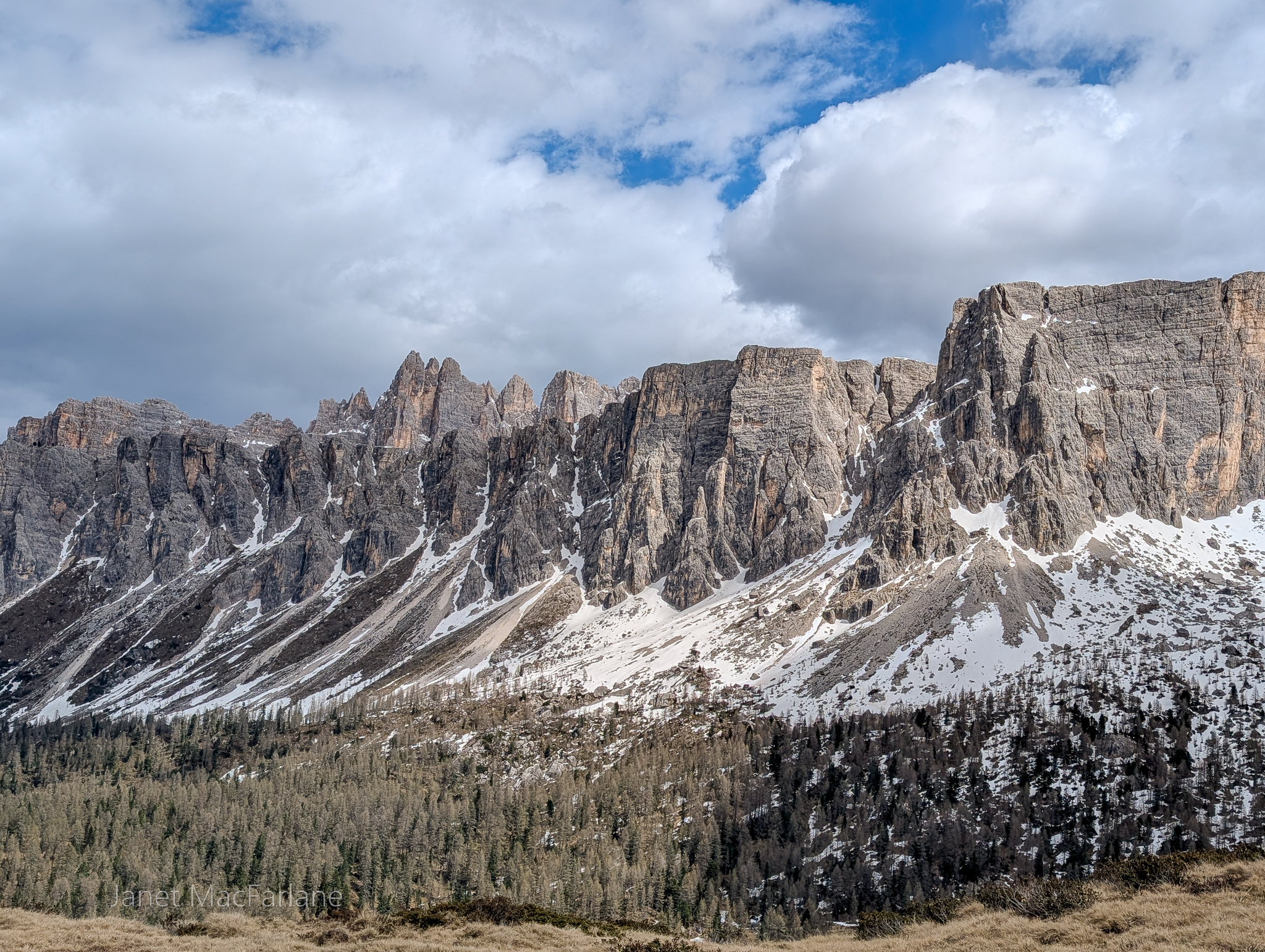
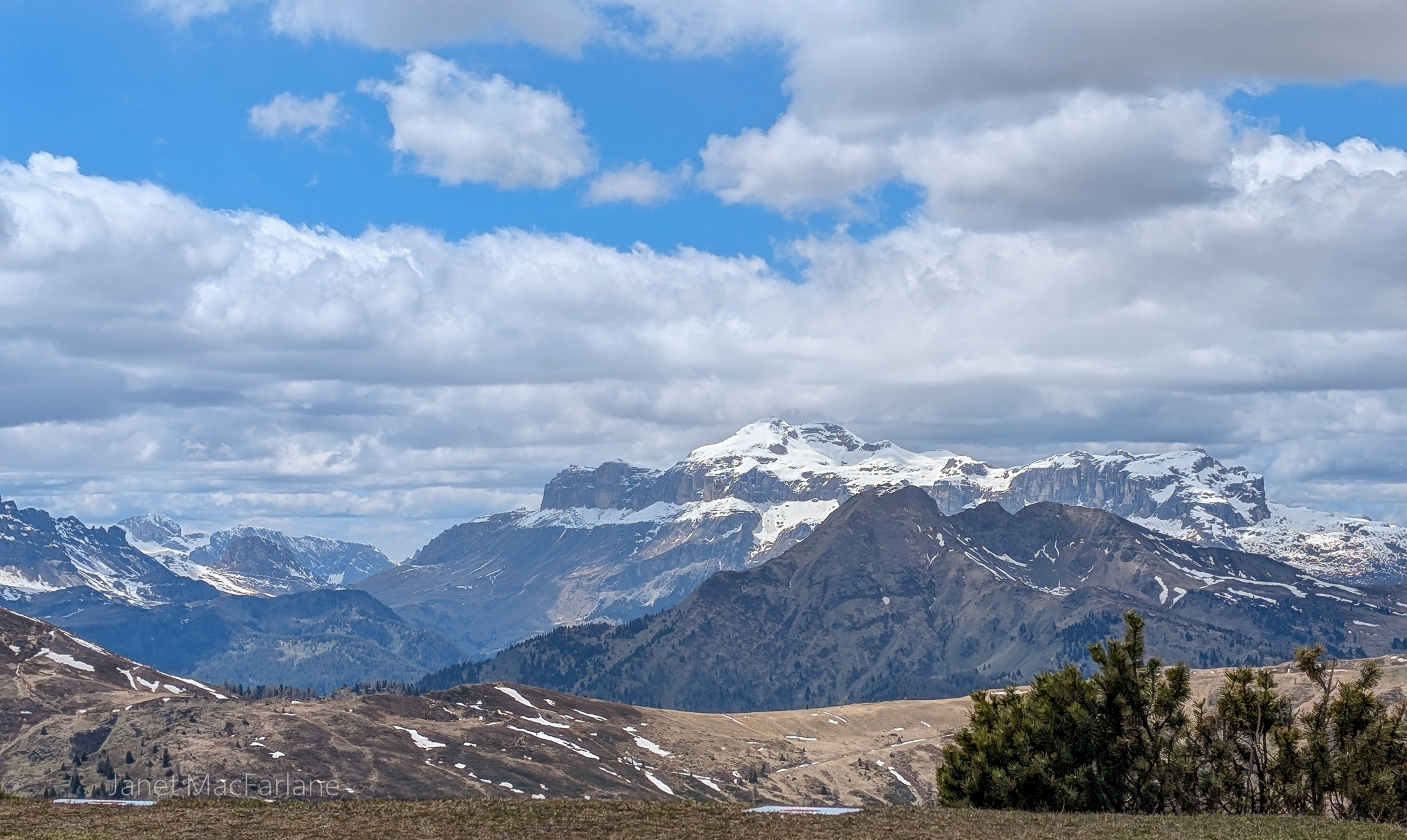
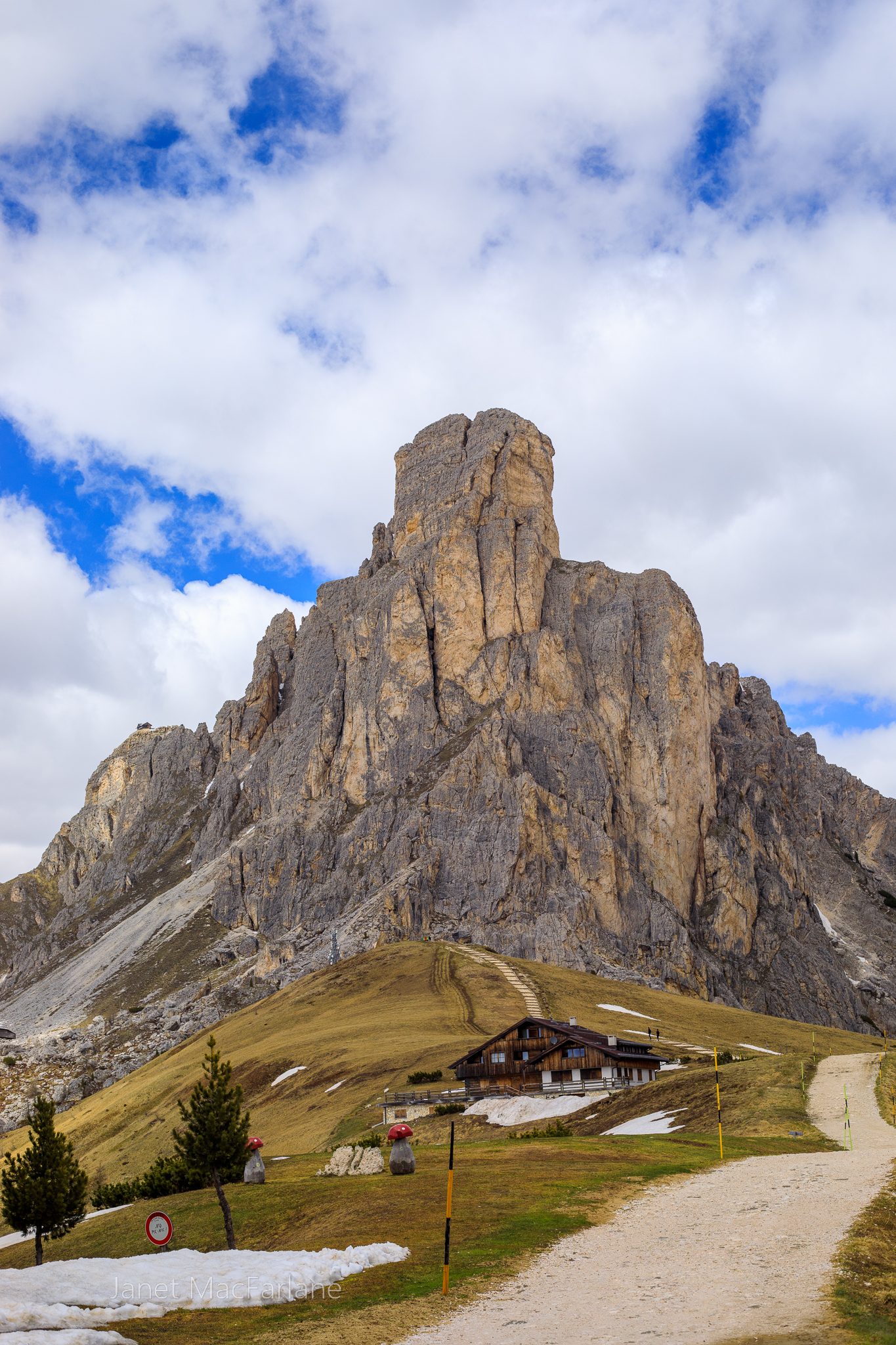
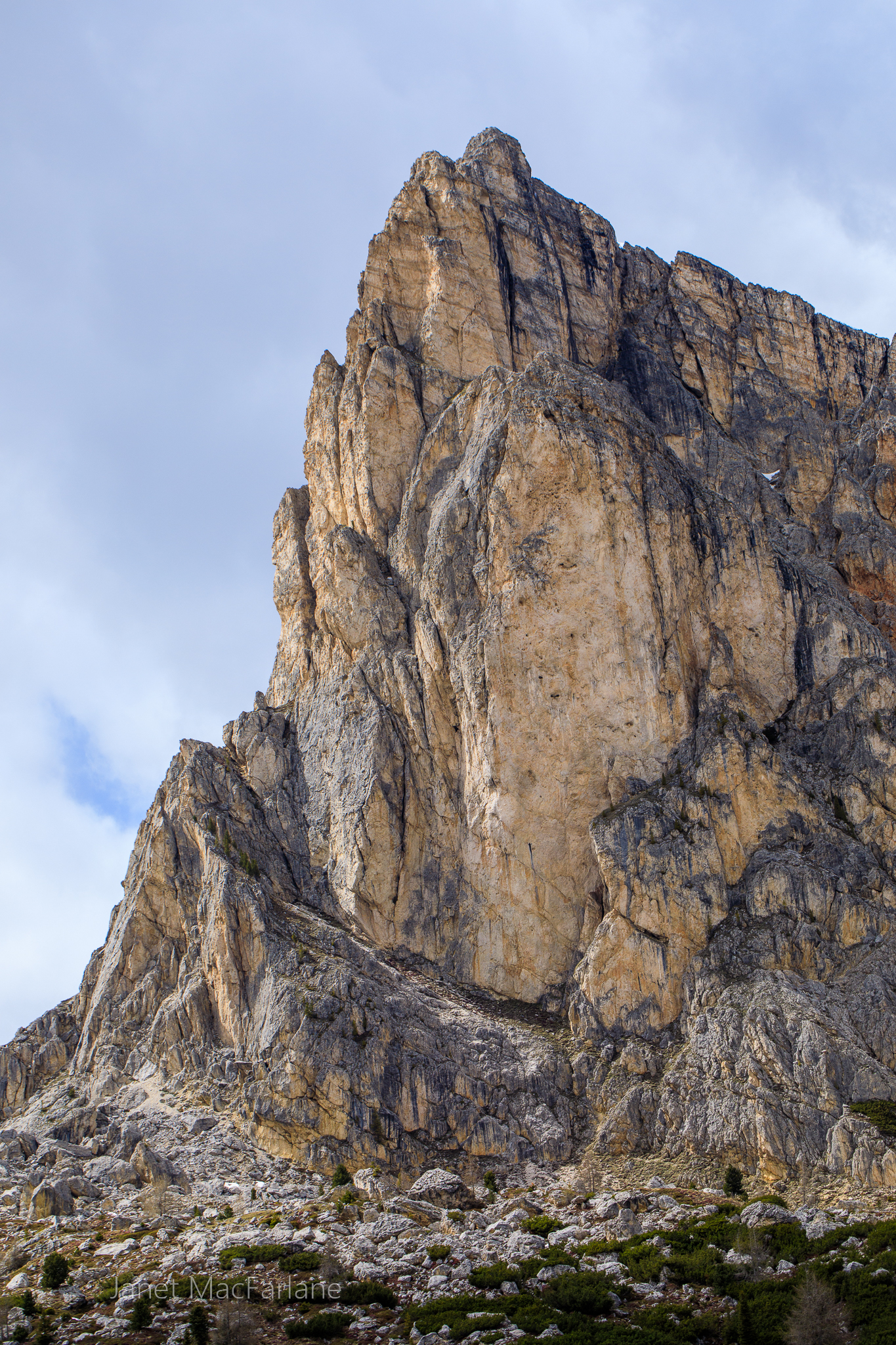


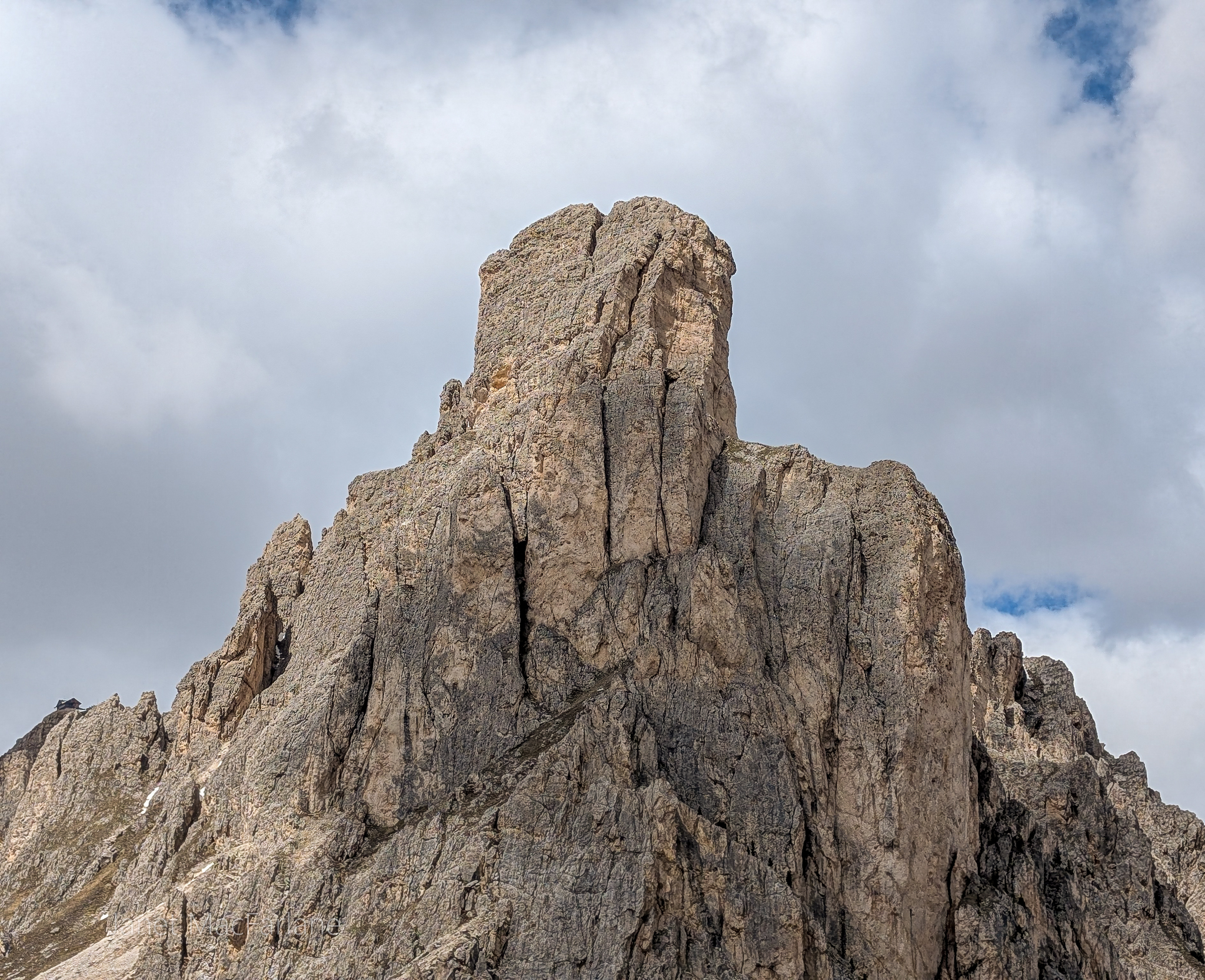
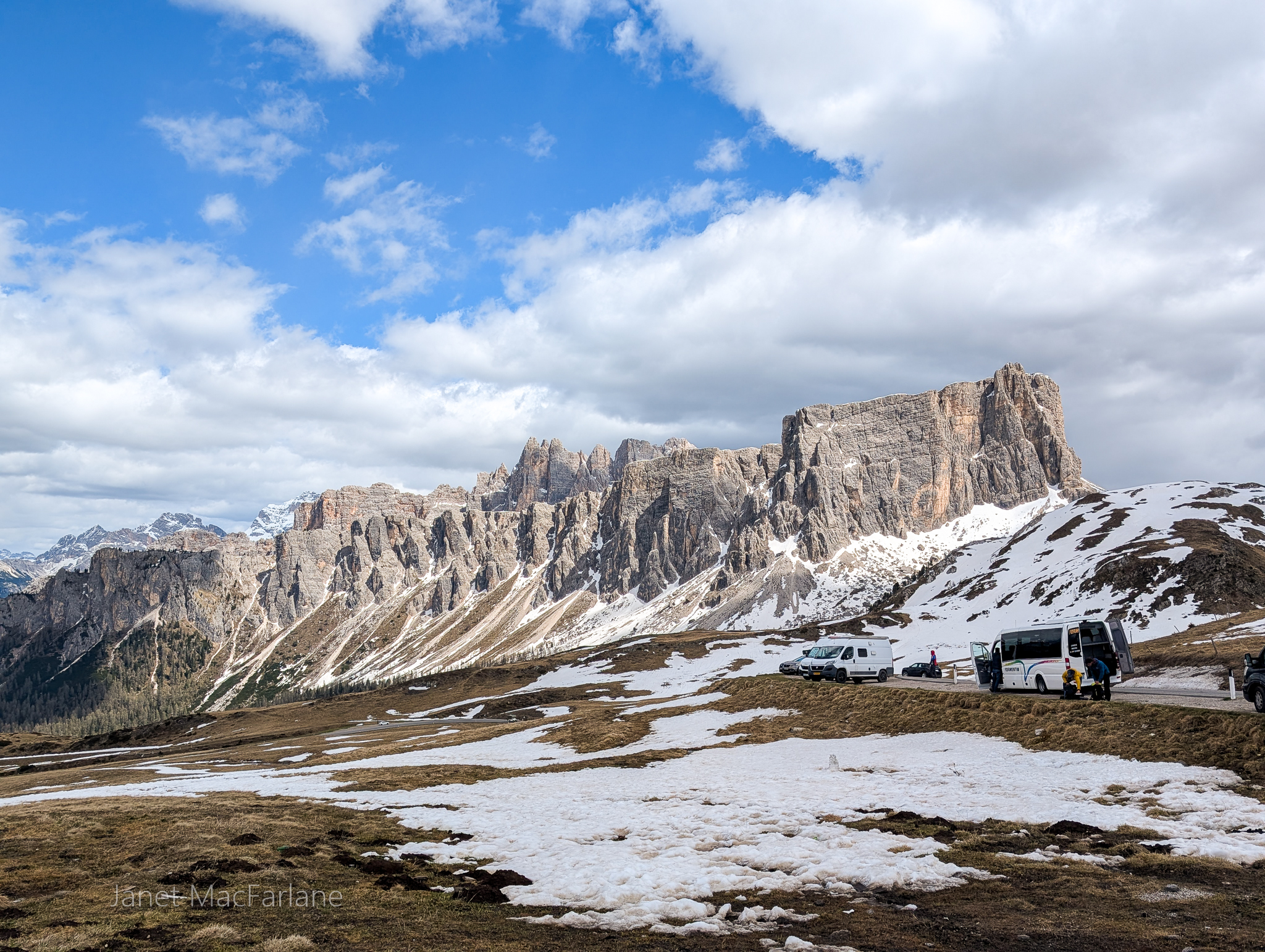
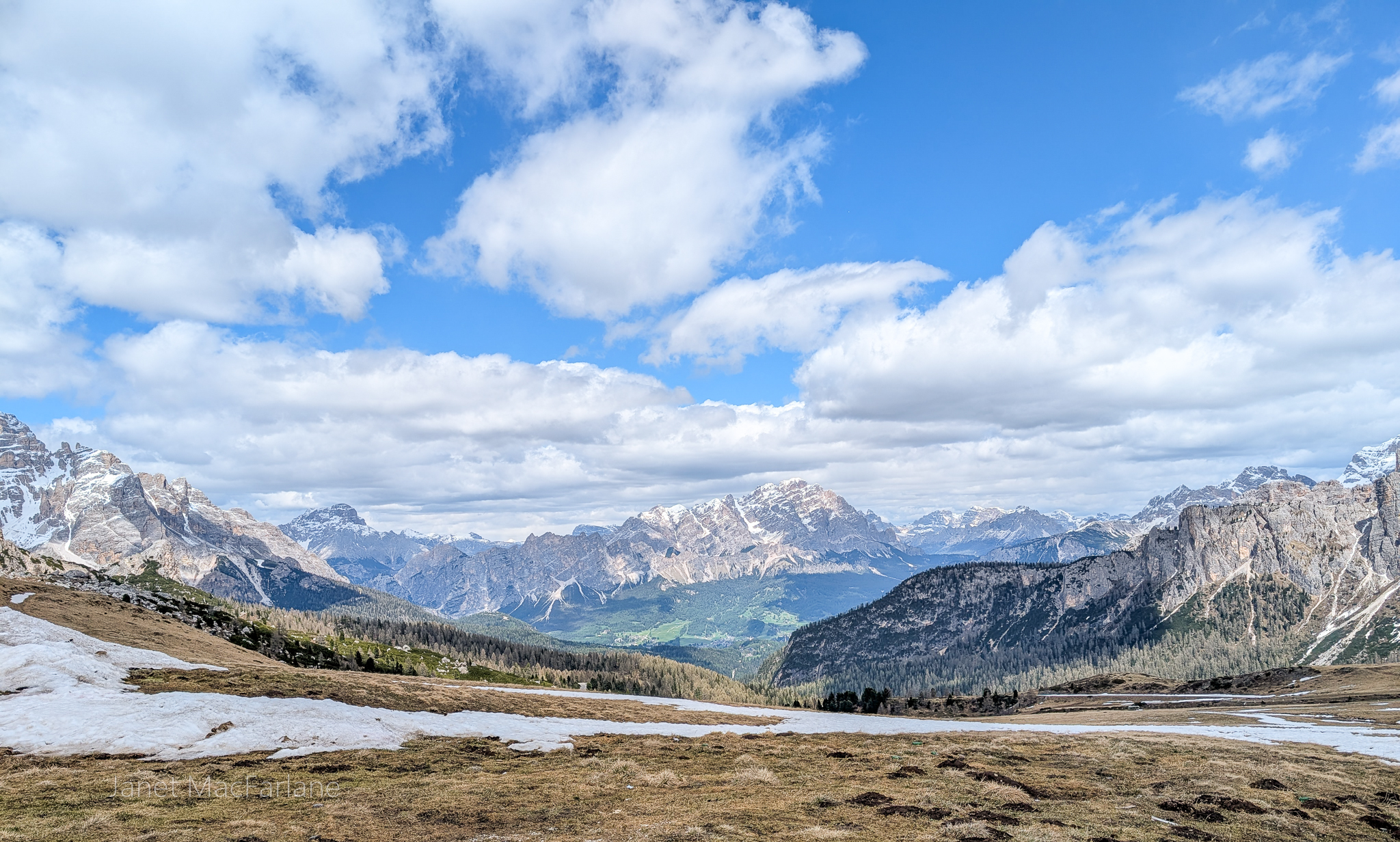
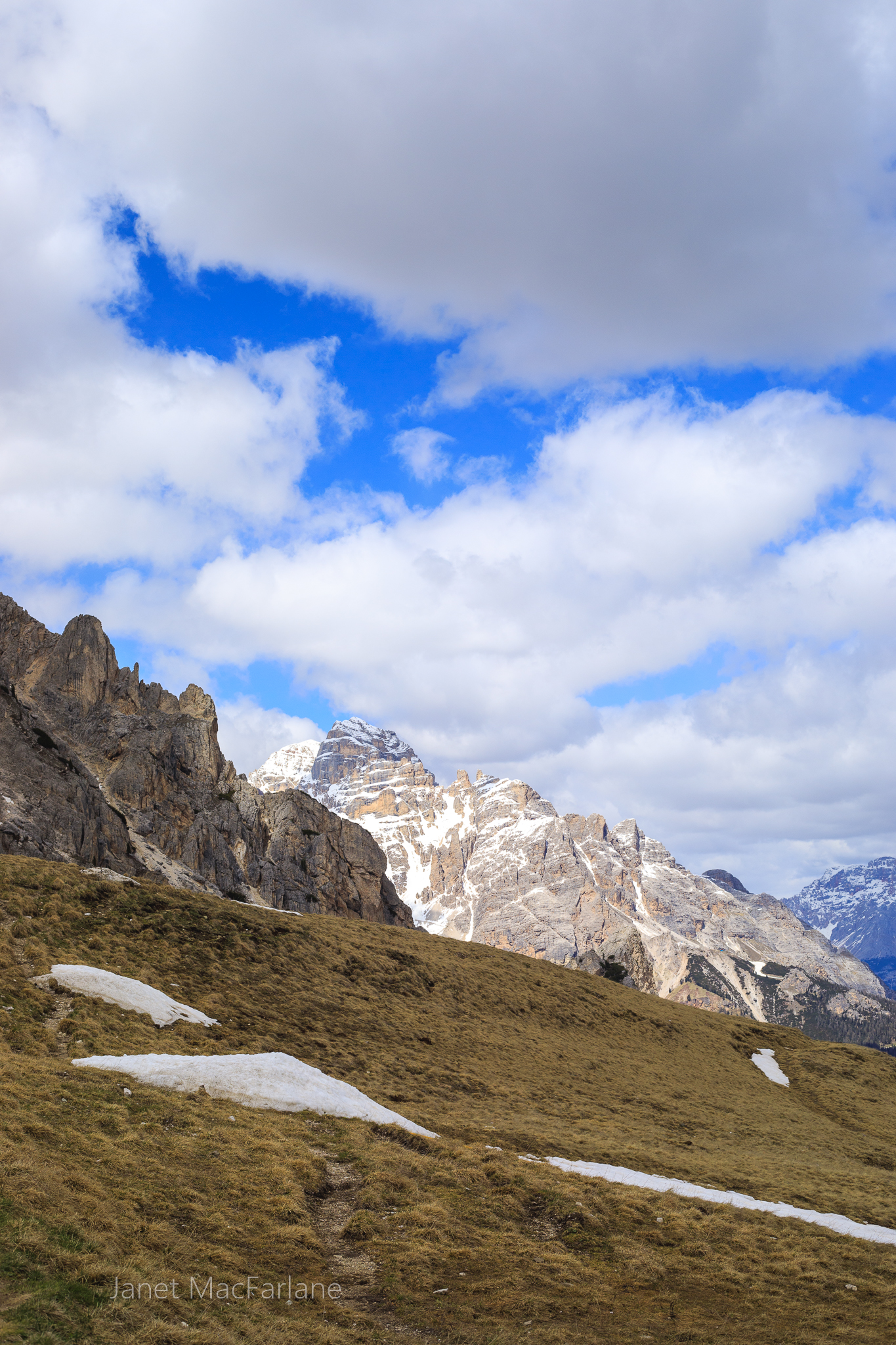
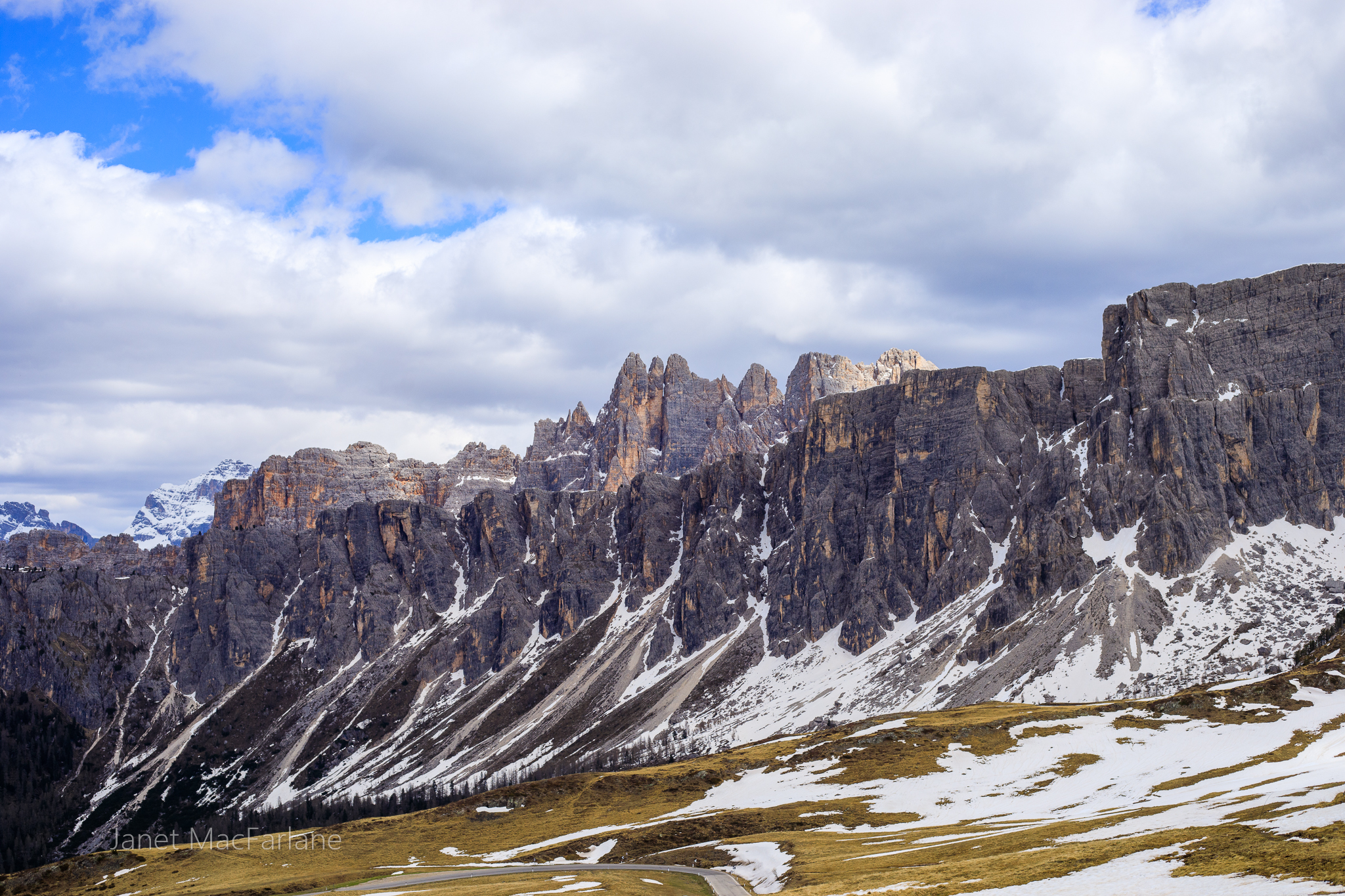
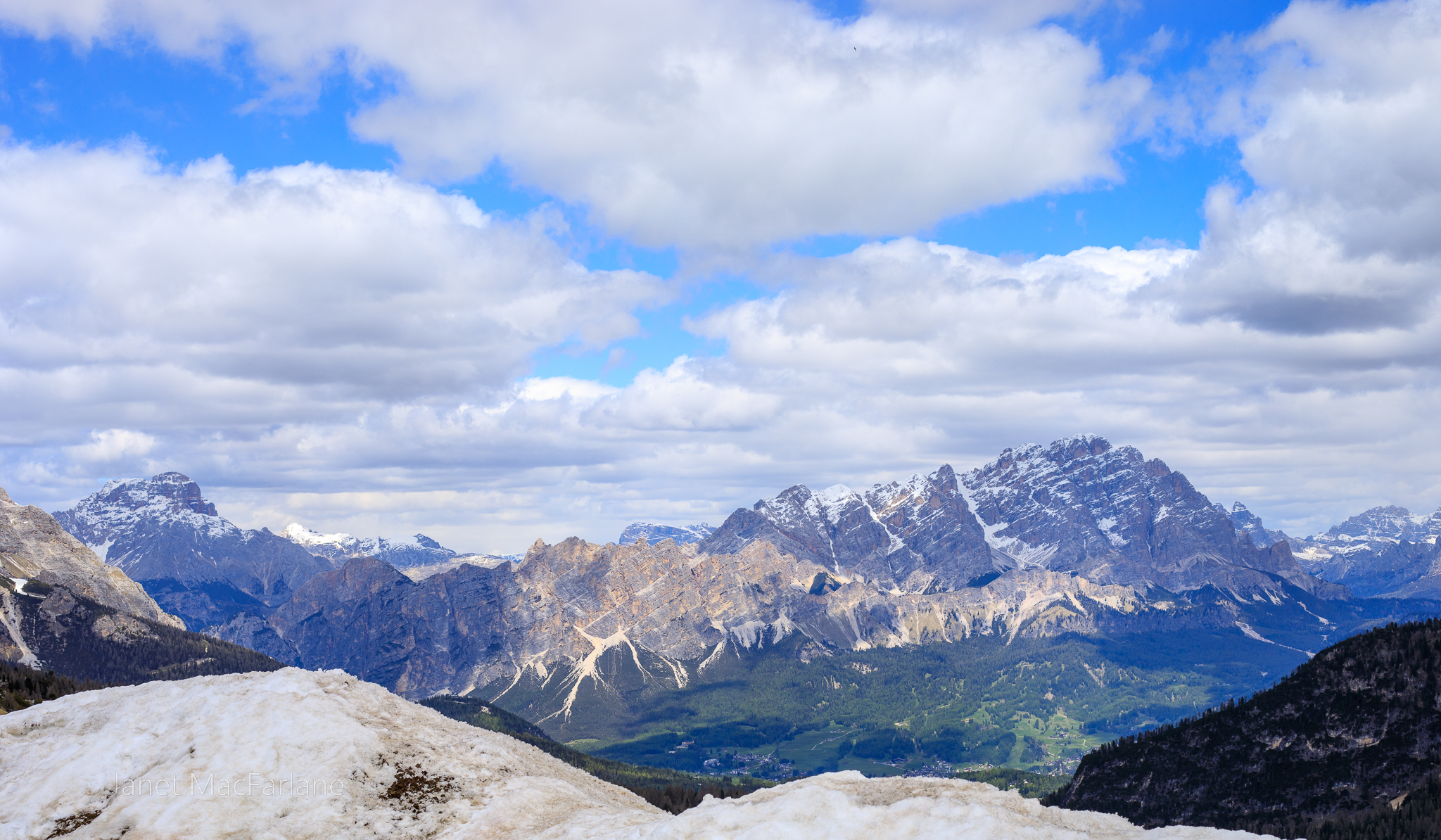
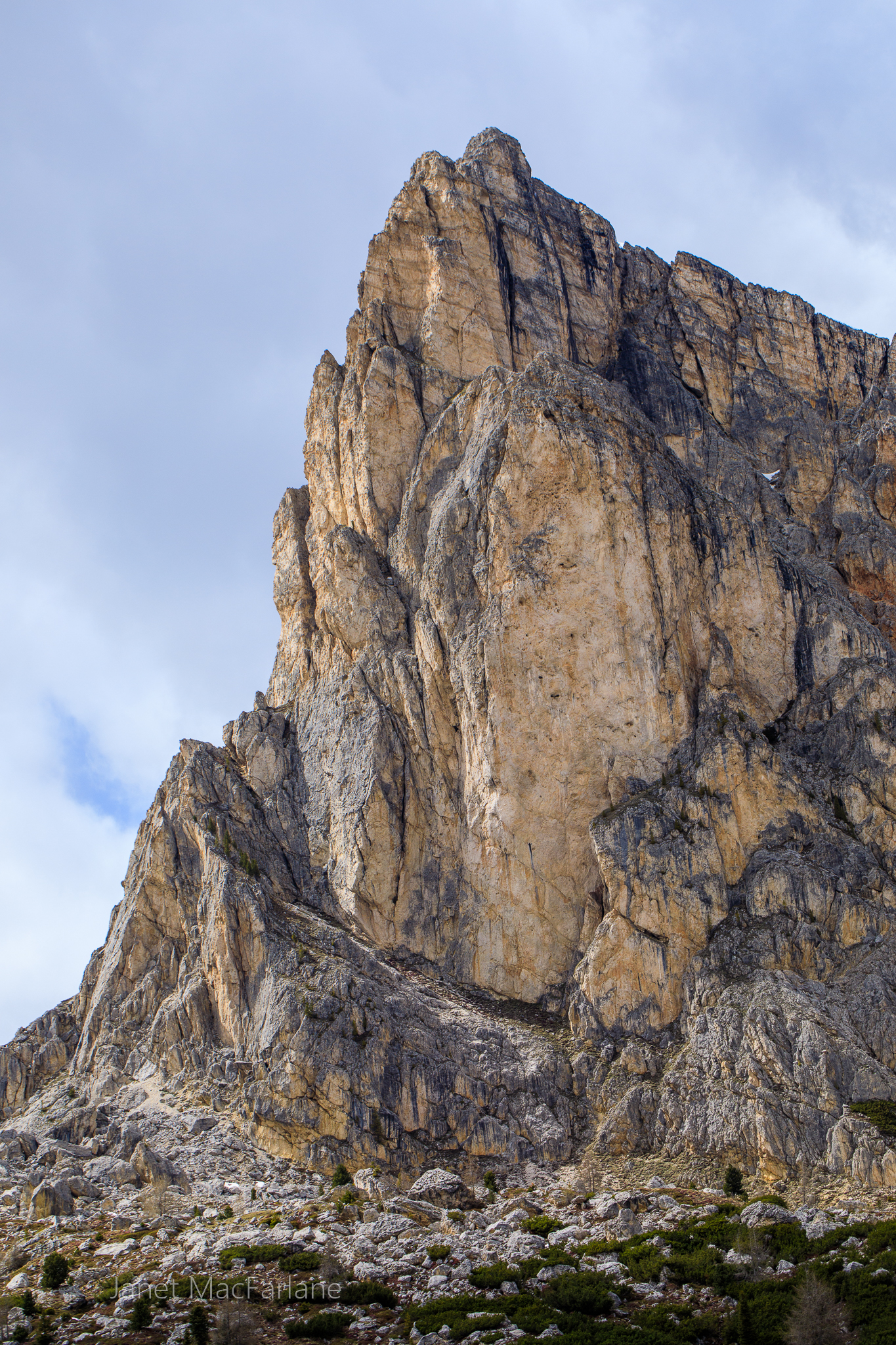
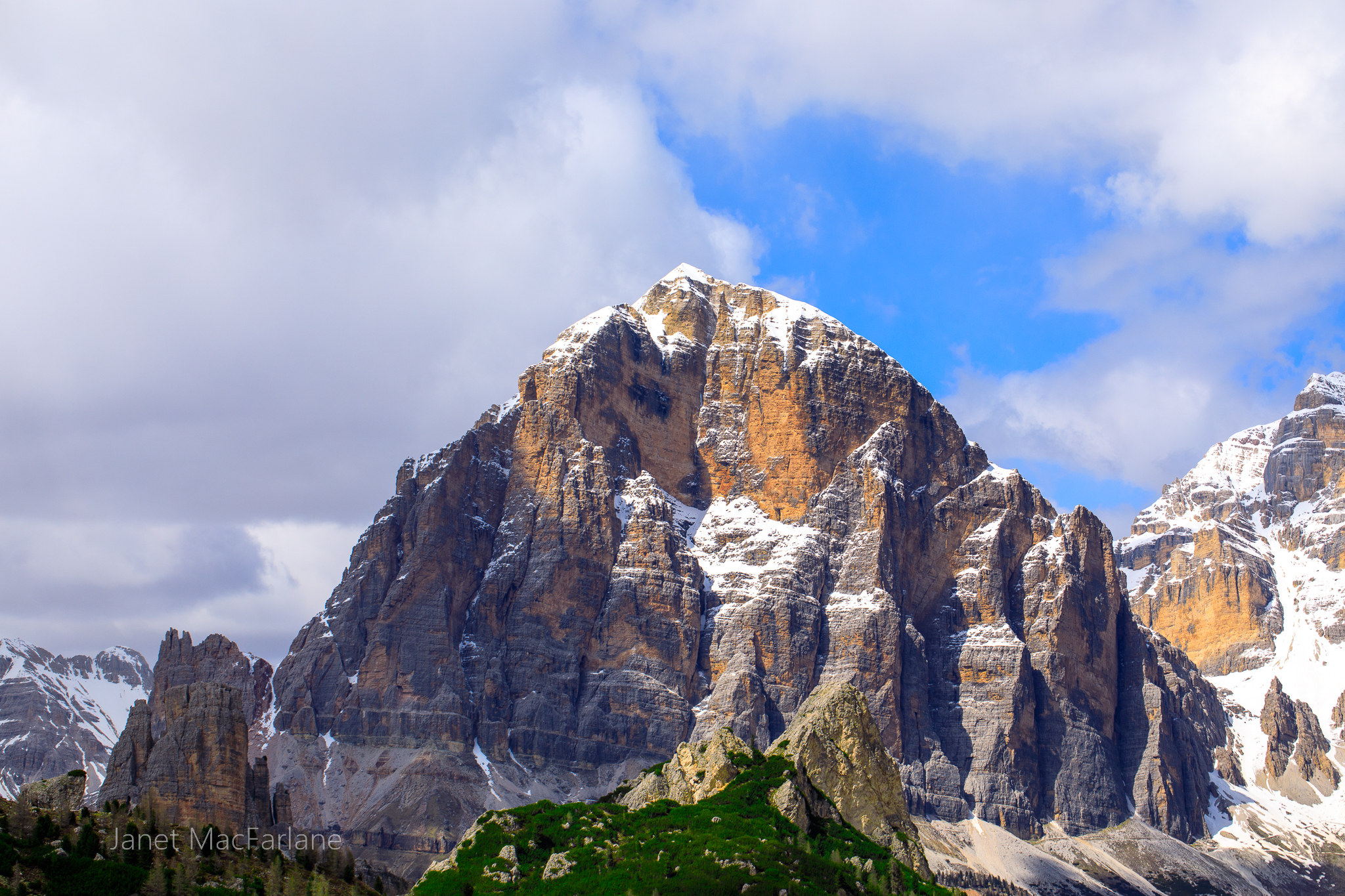
As we continued down, more trees and species appeared. The European Larch, a deciduous conifer, was giving off a subtle yellow glow from its fresh new leaves which were just sprouting. I am a fan of Larches. These deciduous conifers are lovely to see as they transition from winter to spring and fall to winter. Back in Michigan, in the fall, they glow a golden yellow in the late afternoon sun. I got to see the European larch in the Dolomiti and even got to nibble on one of its first emergent fruits. As we travelled down the mountain, we could see the new leaves just forming. A soft yellow glow appeared as the light hit the trees just right.
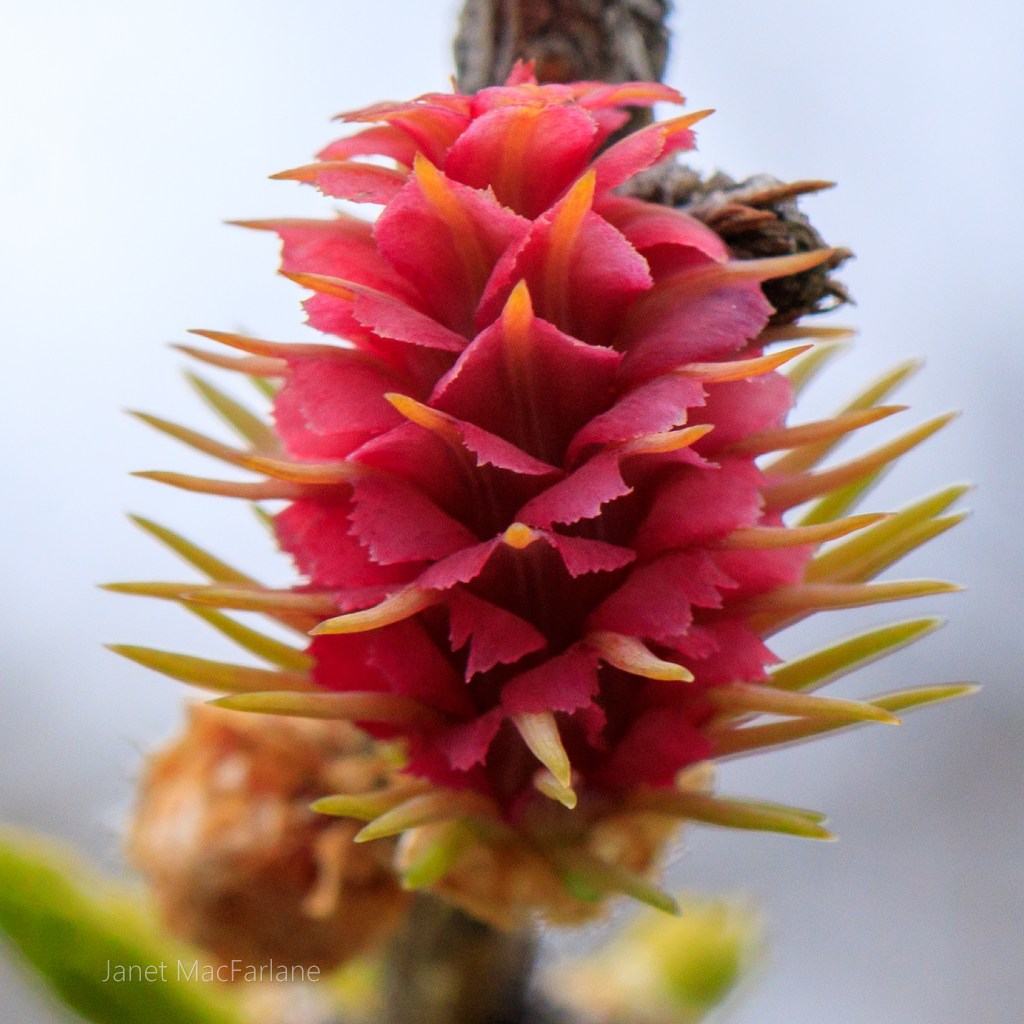
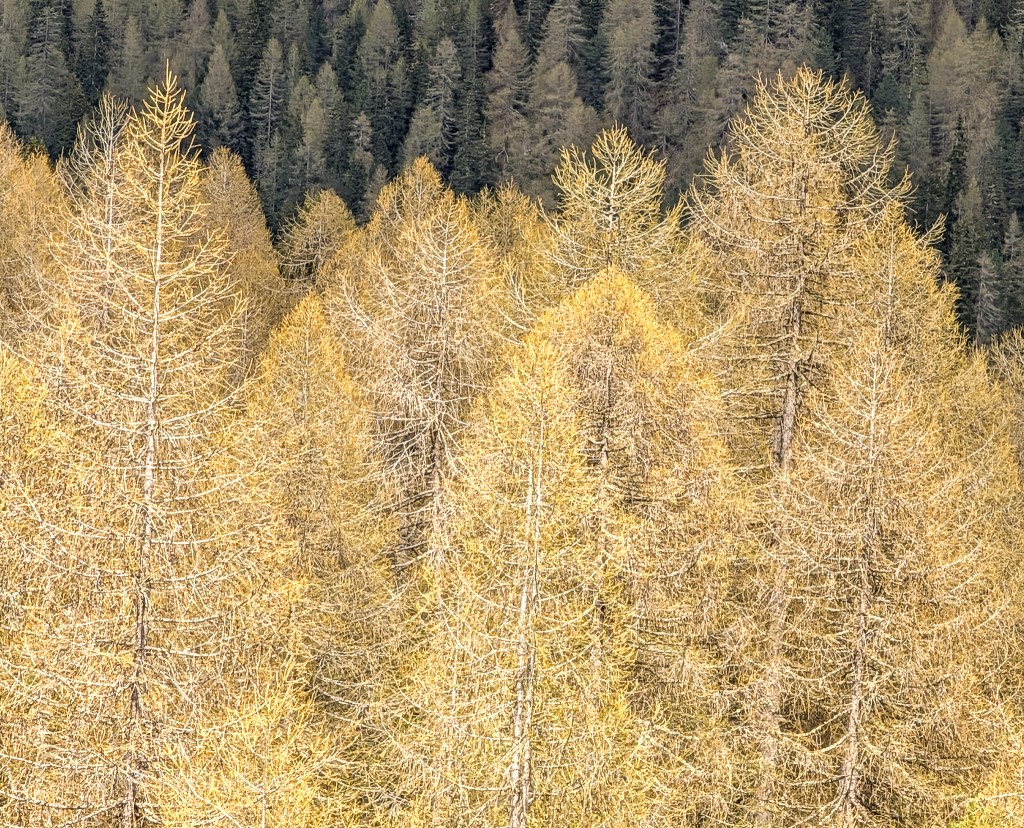

As we travelled down the mountain, the temperature got warmer and the winds died down. There was more diversity of plant and tree species as well.
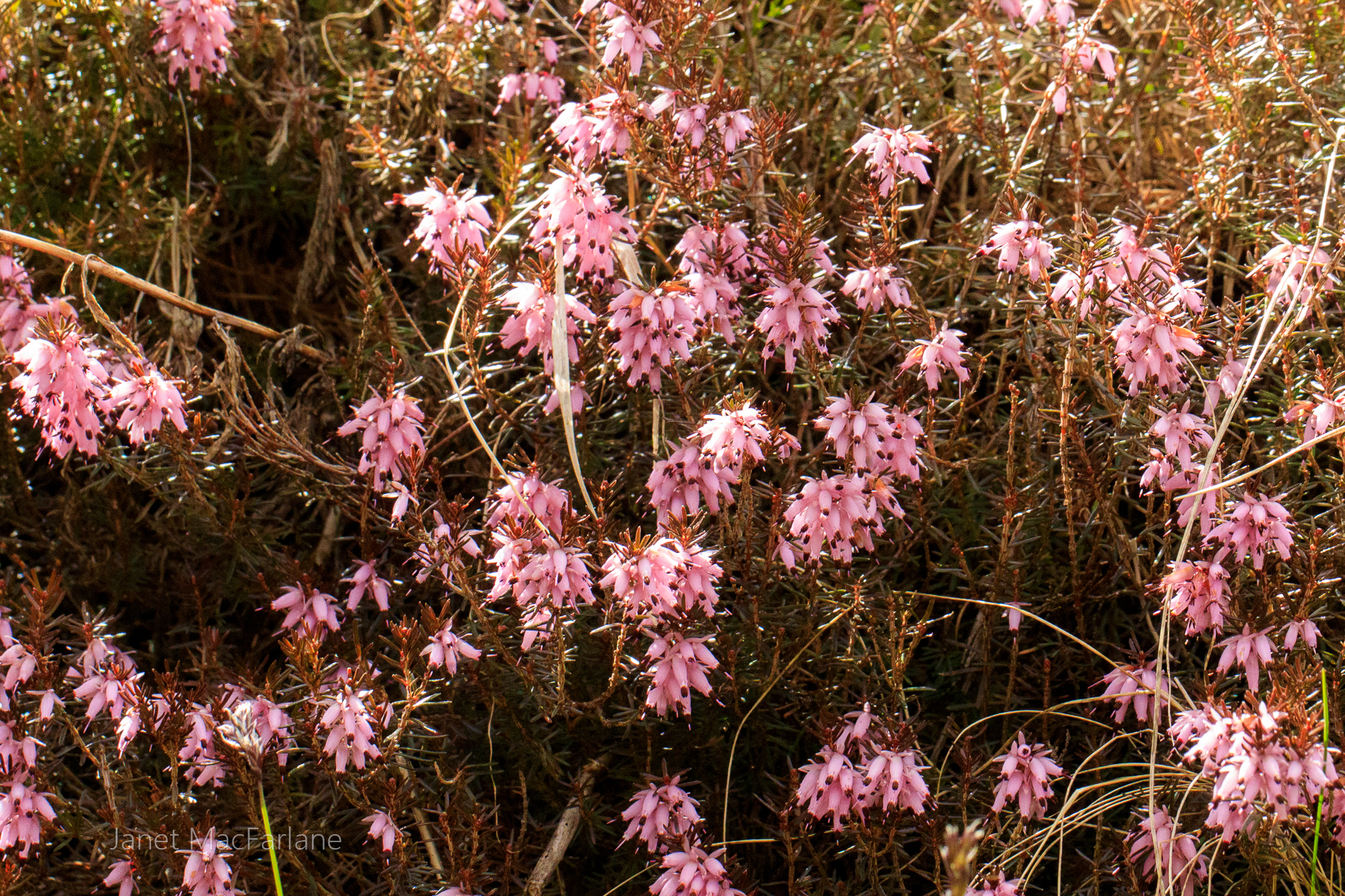
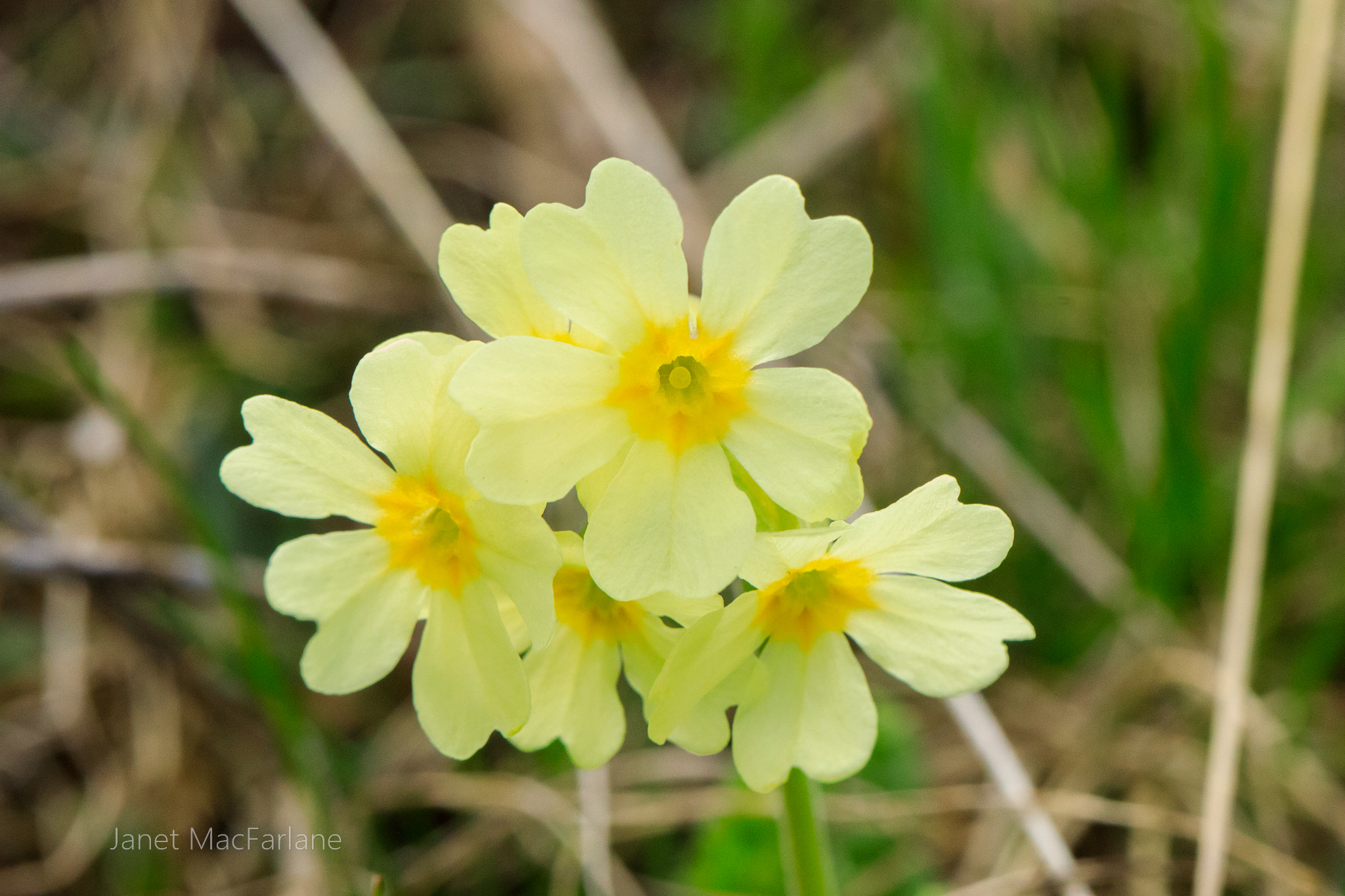


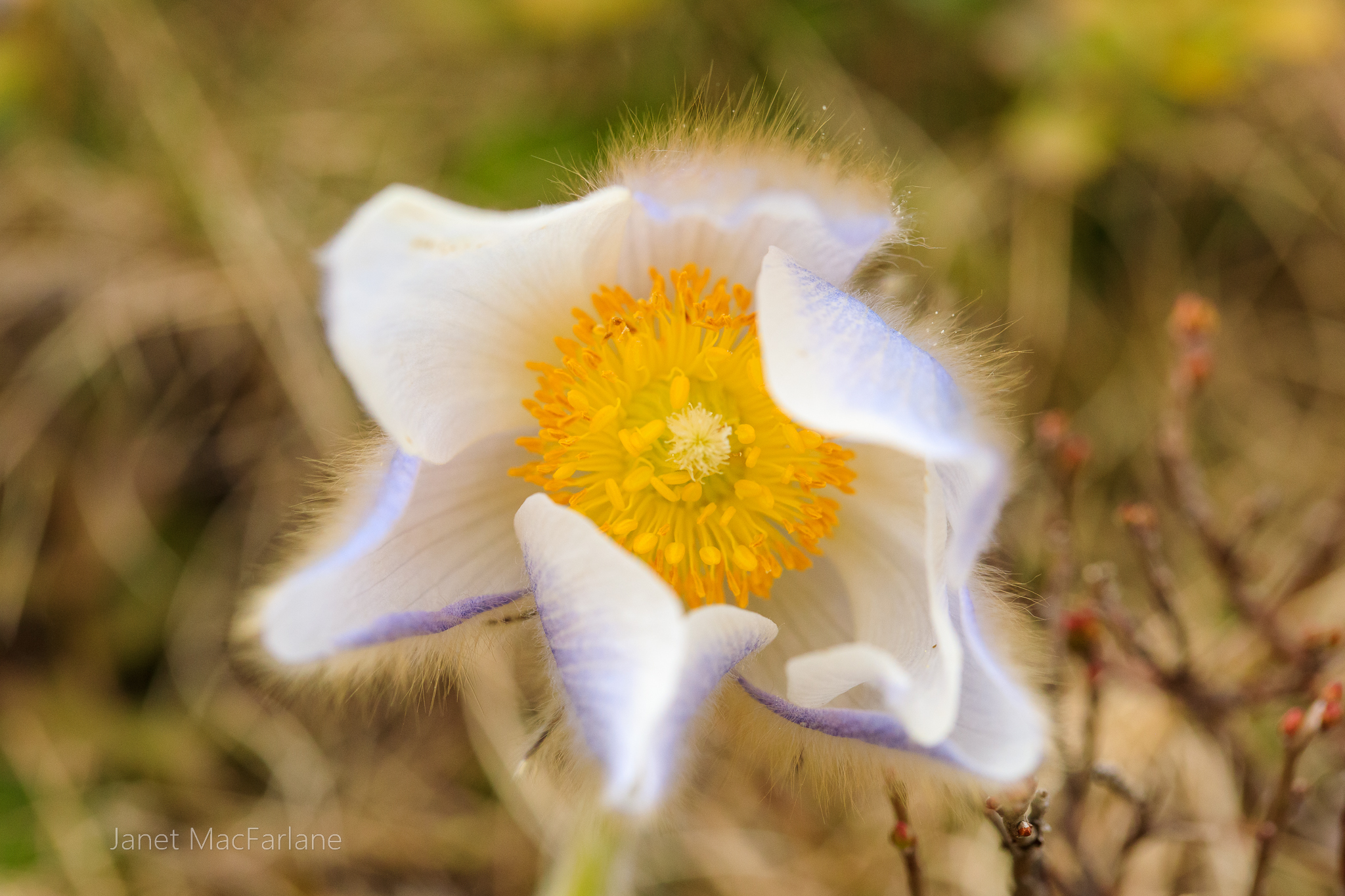
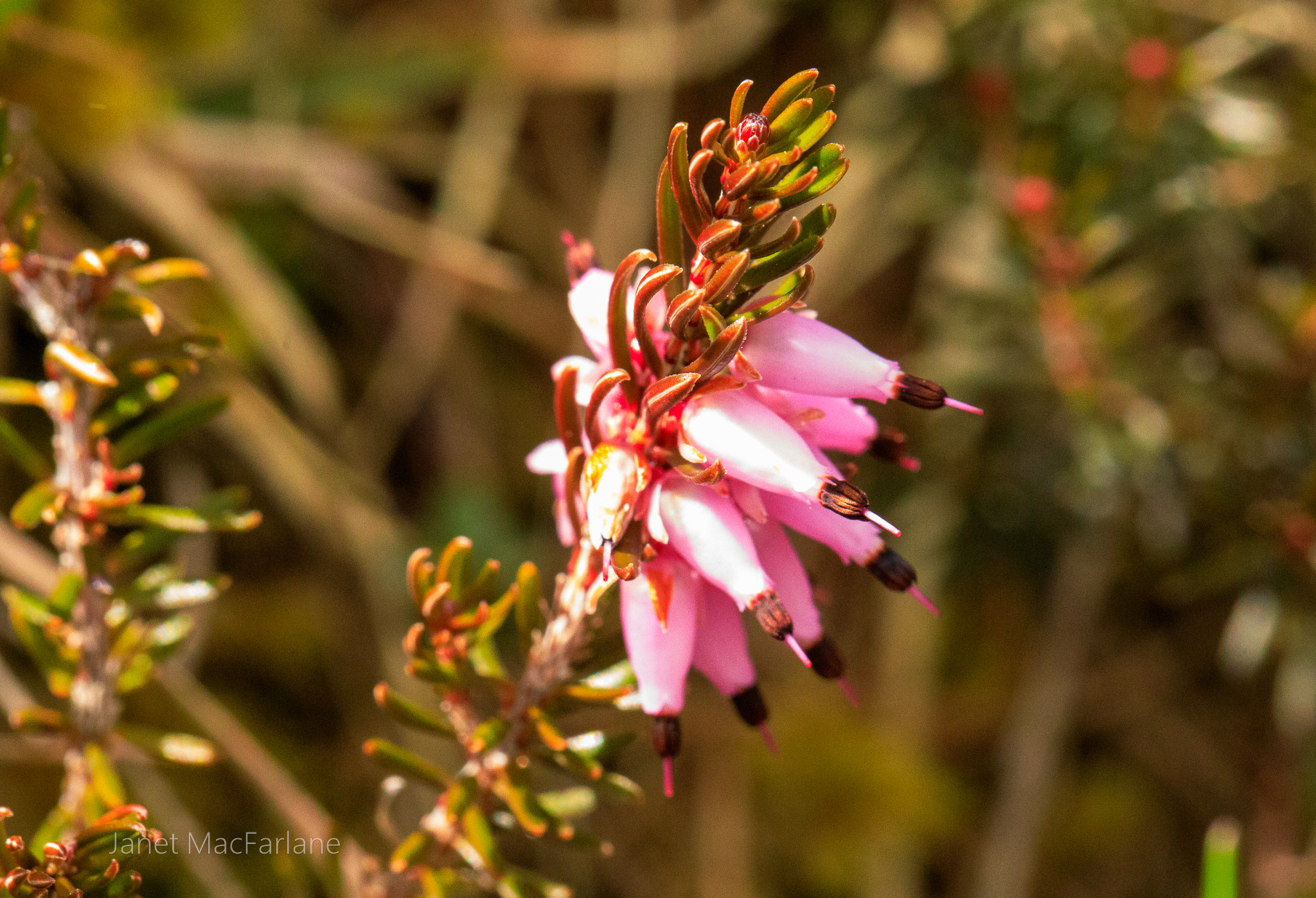

It was an incredible experience and an excellent opportunity to join along on this very cool class trip that David created.
 Forest Therapy and Forest Bathing Walks