
“Place Where There is Writing on the Stones”
Change is inevitable and it isn’t always pretty. A civilization of people can live and thrive through centuries until a catalyst comes along and alters their trajectory. New systems take over, changing the laws, religion and the way of doing commerce. The dominant force presides and the conquered culture fades away into the background. Luckily, the Mayans were skilled at building stone structures that persist to this day, standing the test of time and the ebb and flow of civiliation. The traditional food and cultural traditions of the Mayans run like fine embroidery through the Yucatan pennisula of Mexico. The strong connection to nature and the natural rhythms of life still persist. There are certain truths that cannot be conquered.

Dzibilchaltún is an ancient Mayan settlement that was in existence from 500 BC to 1540AD, after the Spanish conquest. It is tucked away just north of the the city of Merida. Concentric in nature, this site used to cover some 19 square km. 8,400 structures have been found and it is thought to have had at one time 40,000 residents, making it one of the largest cities of Mesoamerica.
While the main intention of our visit was for bird watching, we were pleasantly surprised by this gem of a archaeological site so close to the city. At the time, though its museum and shop was not in operation, there is an obvious investment in this historic landmark. We entered through a beautiful building designed in the same concentric circles and the center cross of the Mayan Civilization. Right in the center a Jicara Tree.
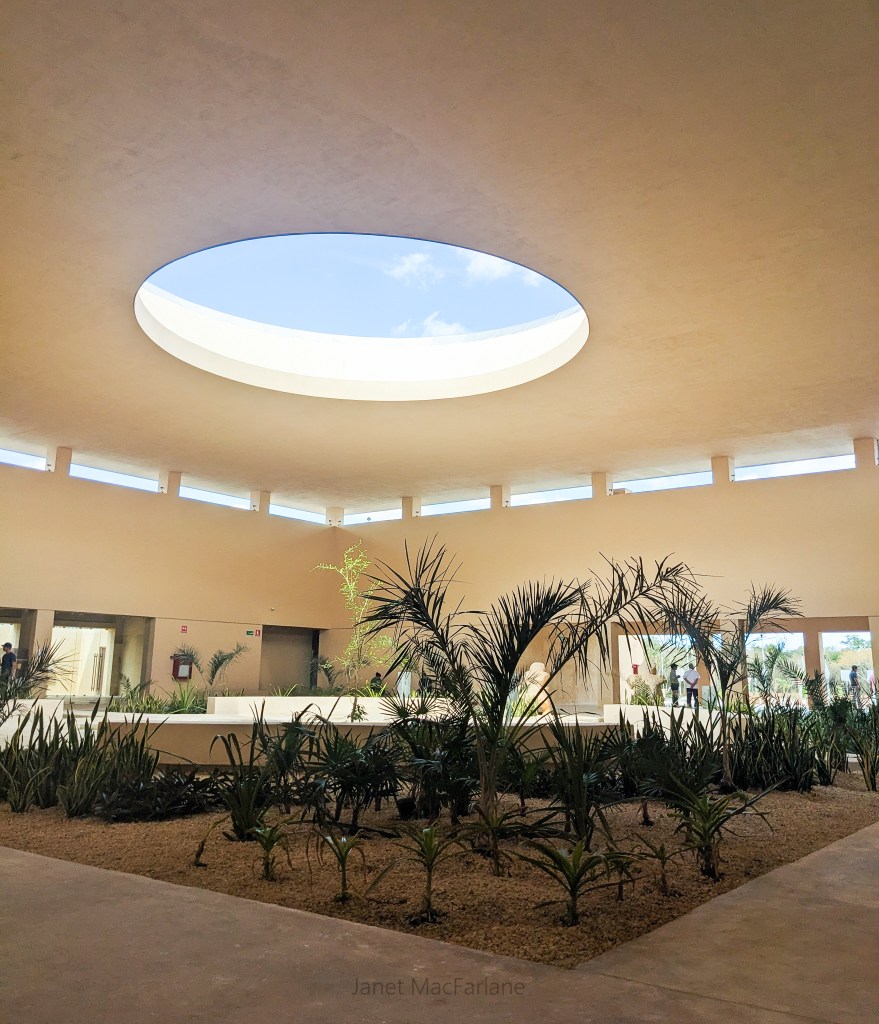
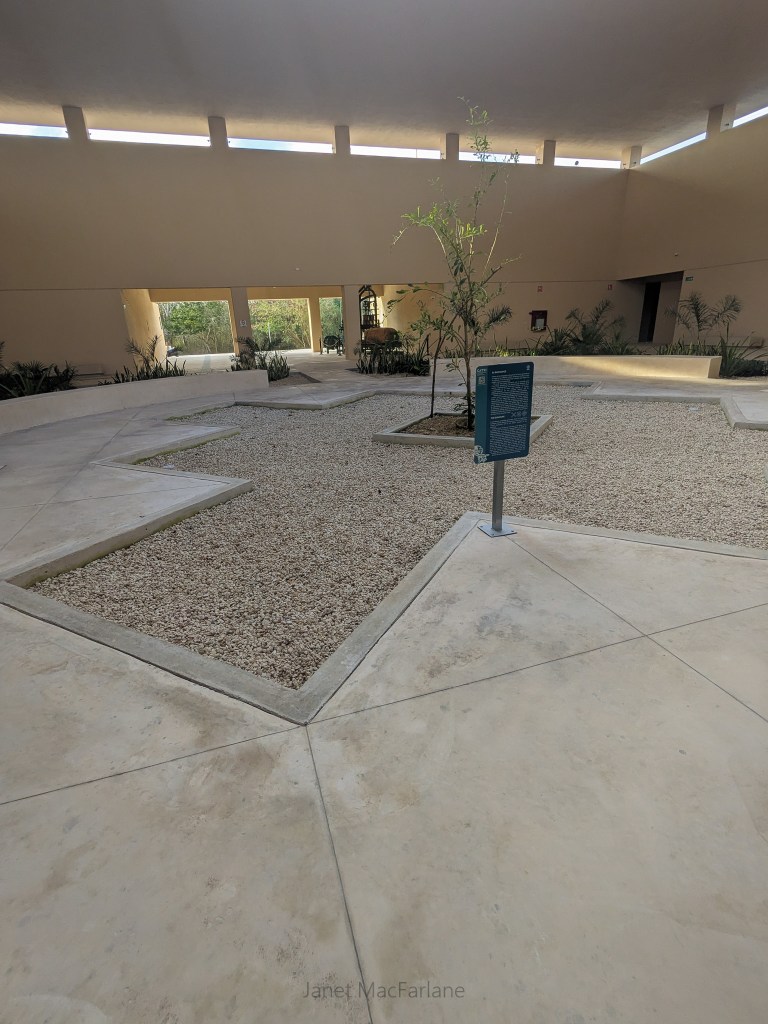
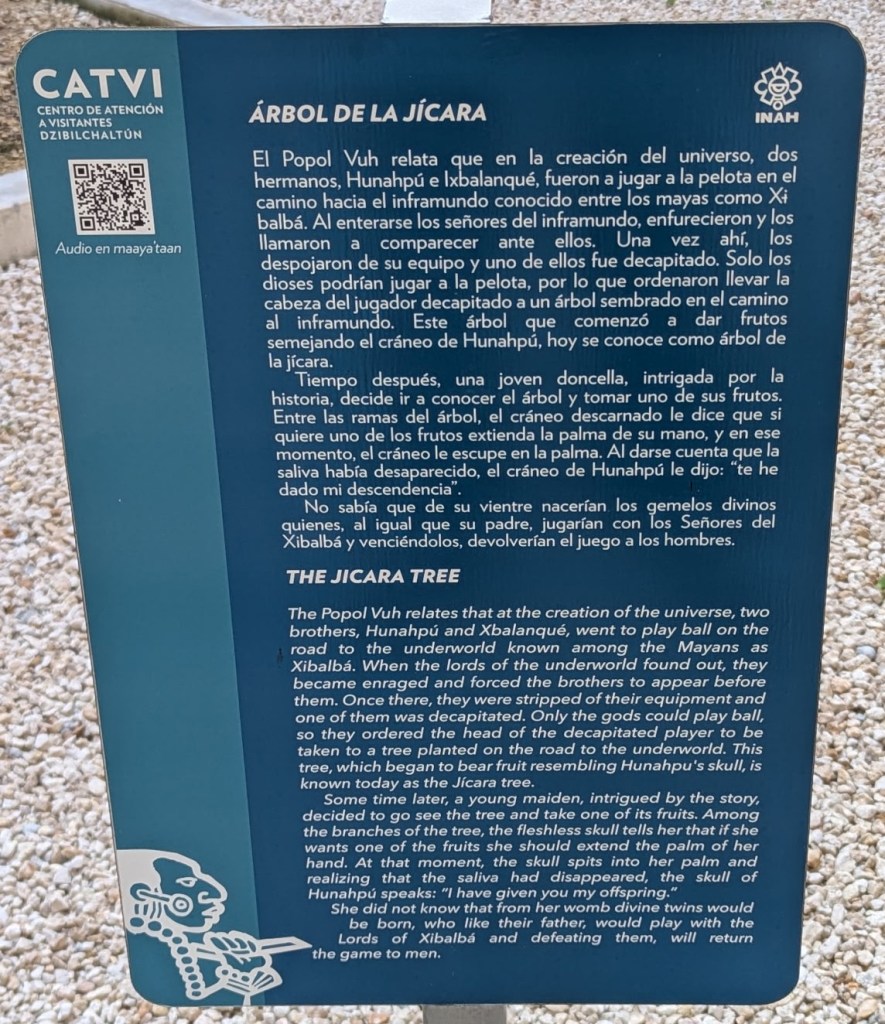

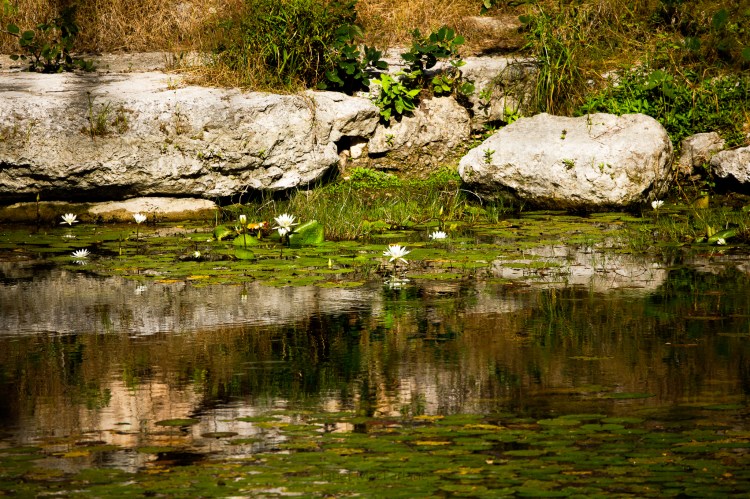
While the museum and shops are not open yet, you can see where they will be housed. The bathrooms are quite nice and the parking lot is seems newly paved. It appears that it will be able to accomodate a significant amount of tourists in the near future. There is a cenote, but it is not open for swimming. It does have lovely water lilies growing on its surface. It is one of the largest and deepest Cenotes in the Yucatan and many archaeological pieces were recoverd here. Its name is Xlakáh. Its means “Old Town.”
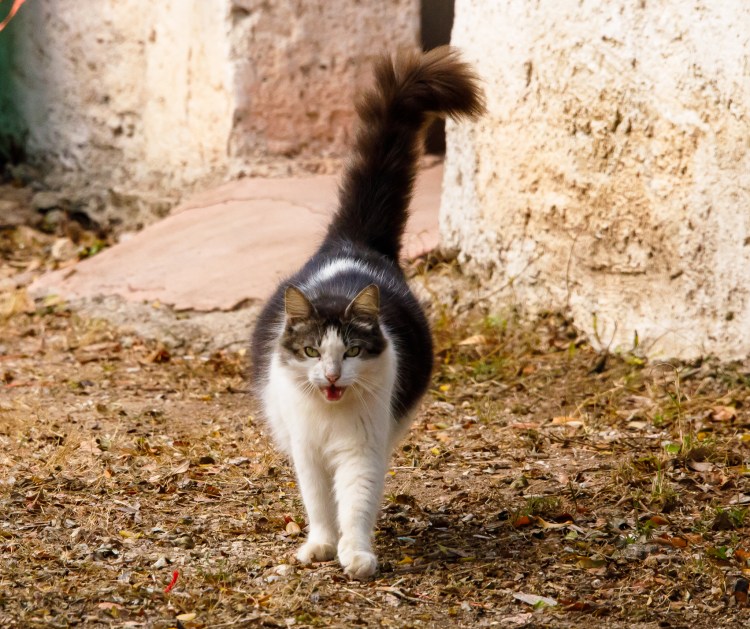
We arrived early, right before it opened in order to better see the birds. When we walked in we were greeted by a well fed cat.
We were exceptionally lucky that morning. As we listened for birds, David identified the call of Ferruginous Pygmy owl. I was able to find it perched in a Ceiba tree!
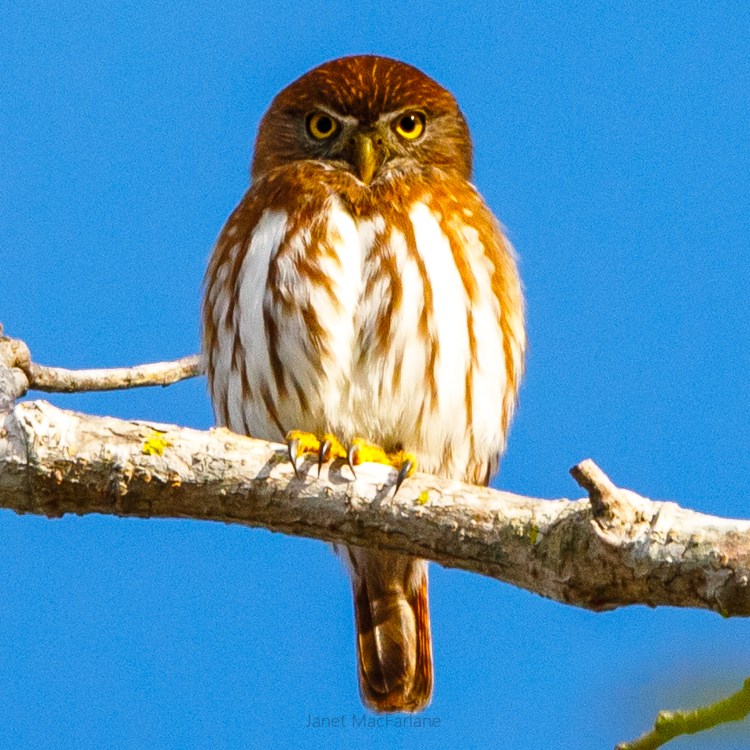
Spotting this adorable owl pretty much made our day. Fortunately, the ruins and the other birds we saw just added to the enjoyment.

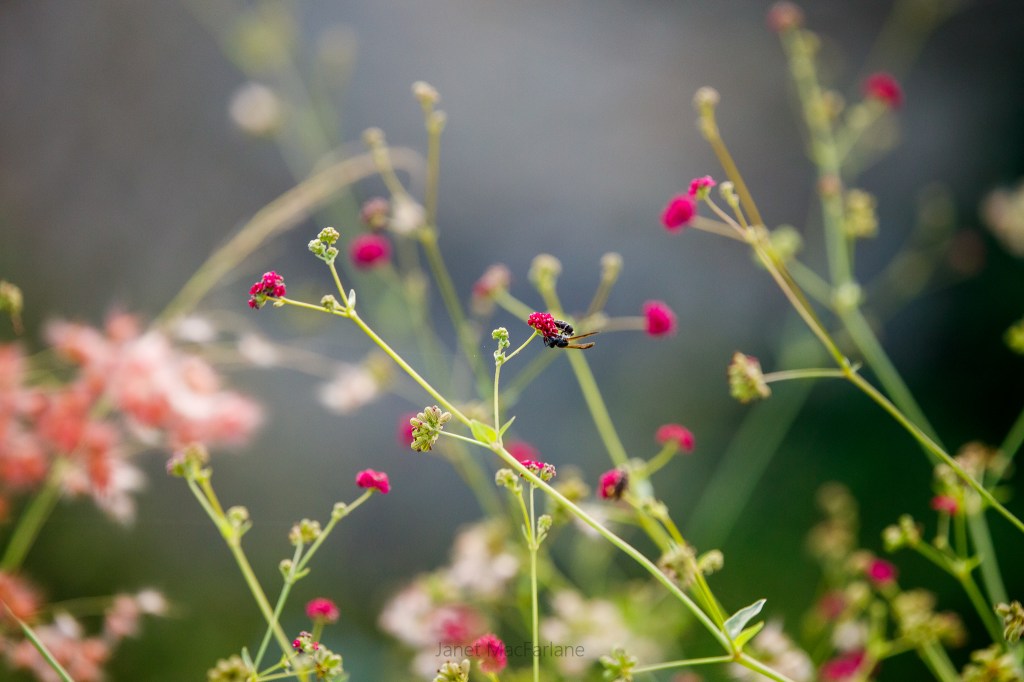
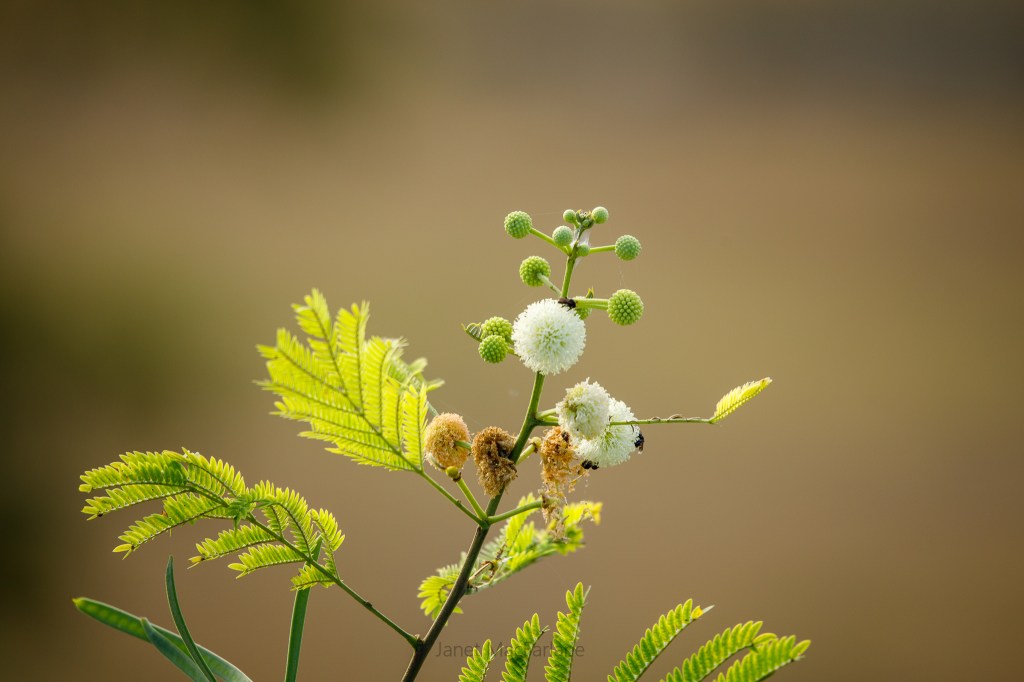

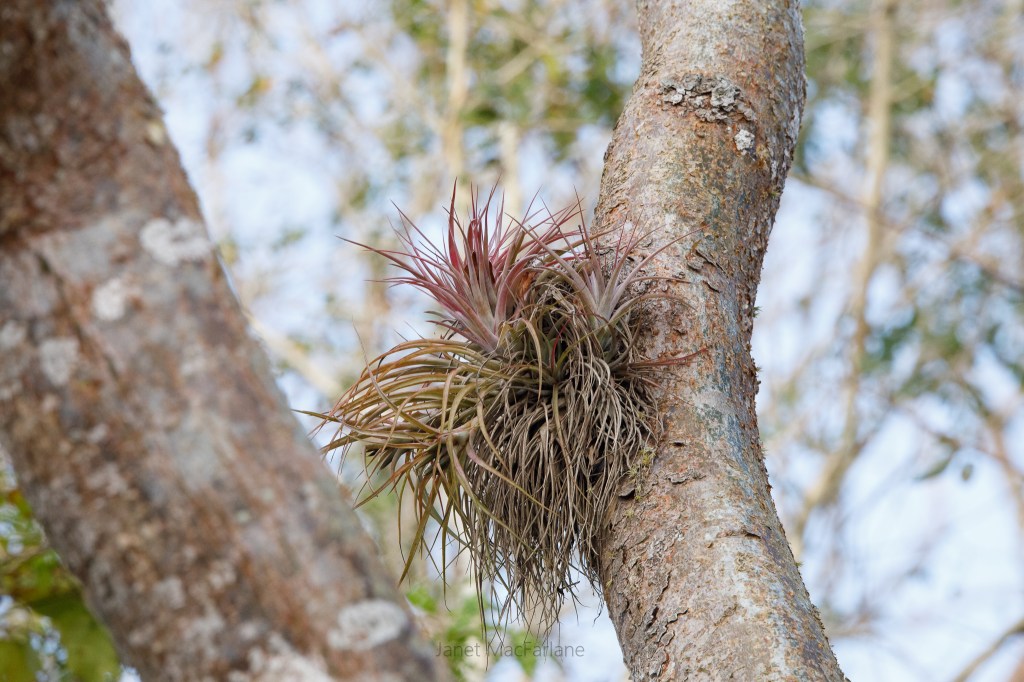
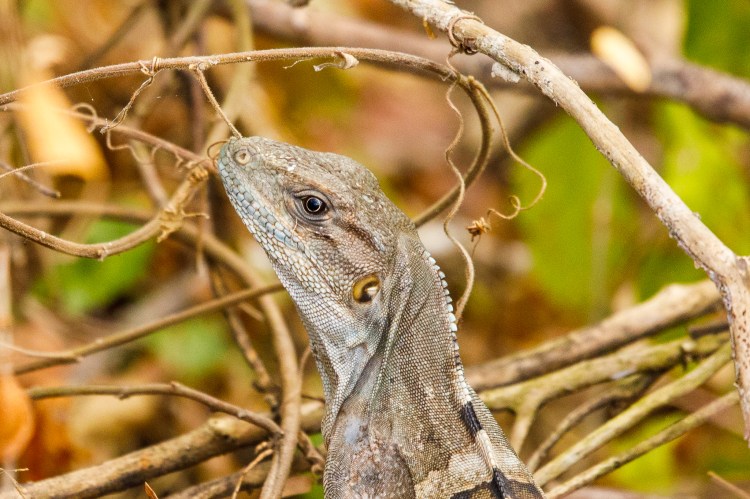
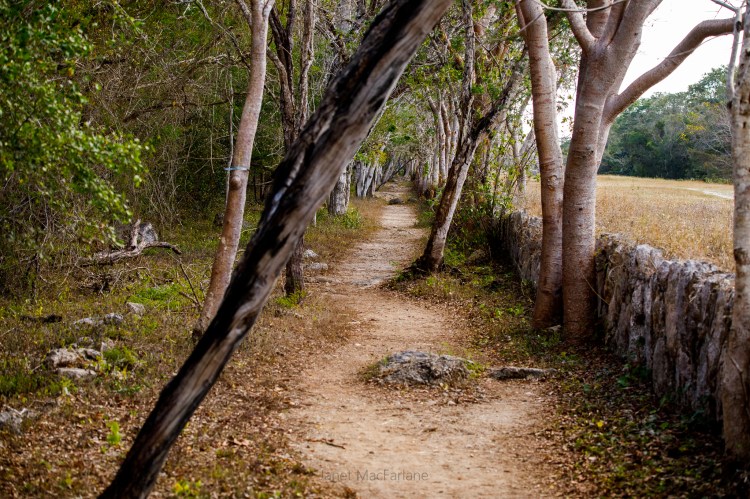
There were several interesting birds to spot. Here are some that we saw.
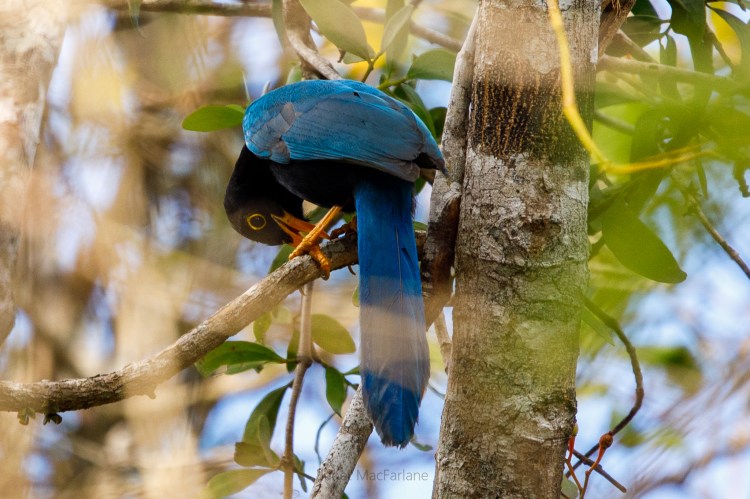
The Yucatan Jay. It was tricky getting a picture of this guy. He kept jumping around. I love the blue color and its very orange beak. Those eyes, too!
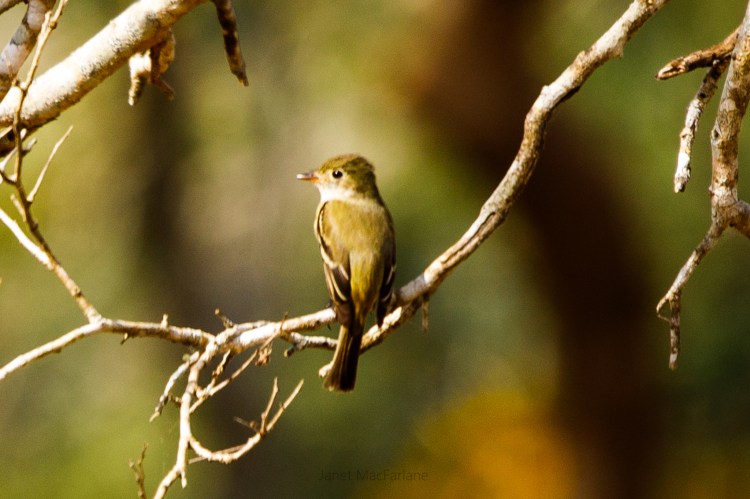
The Least Fly Catcher

Olive-Throated Parakeets
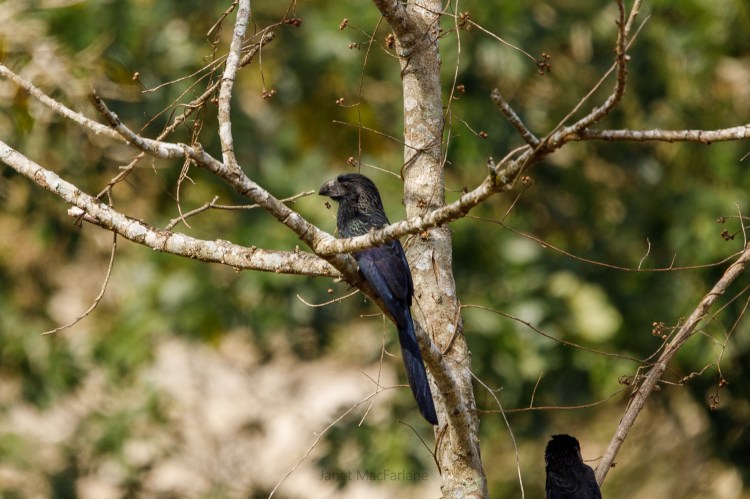
Grooved-bill Ani
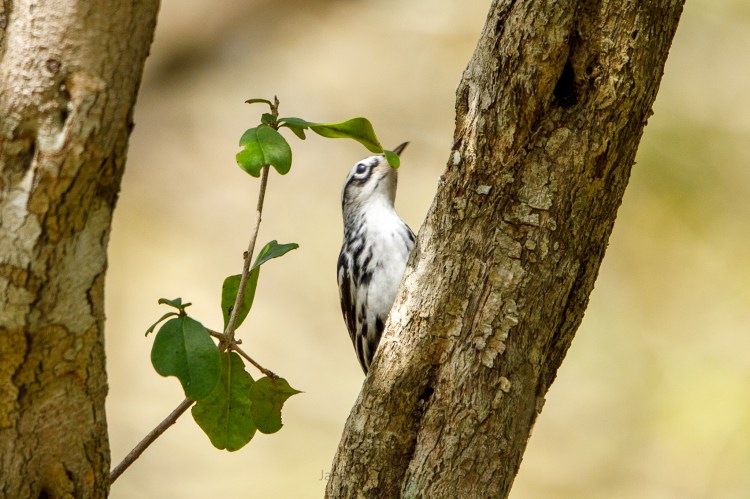
Black and White Warbler. They travel north for Spring migration.
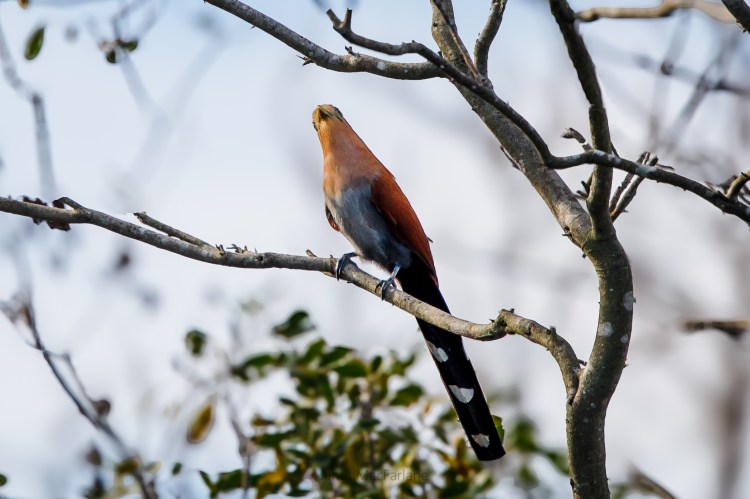
Squirrel Cuckoo
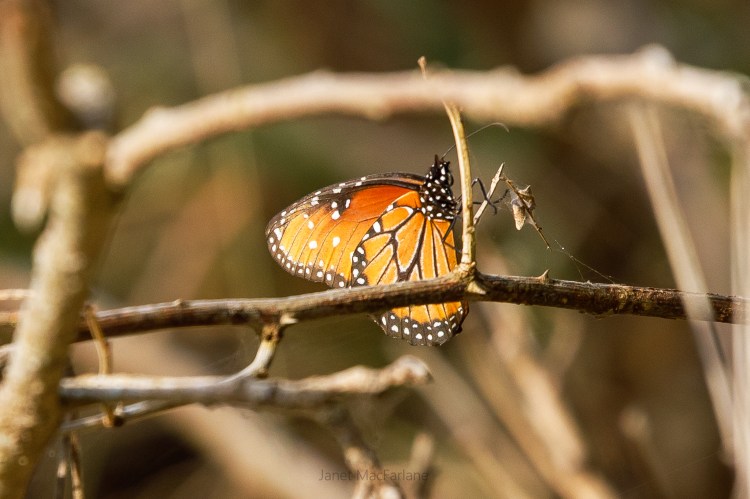
This relative of the monarch butterfly, The Striated Queen, was also found in abundance.
These ruins are notable for the several Stelae. They are essentially stone slabs that are taller than they are wide. They were erected as monuments.
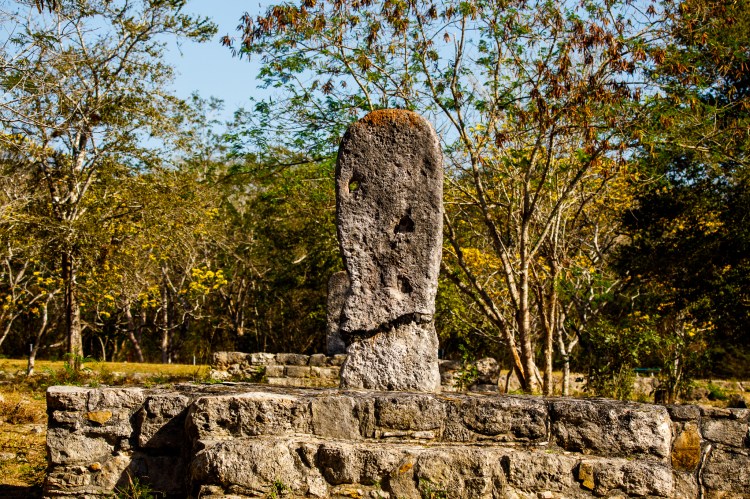
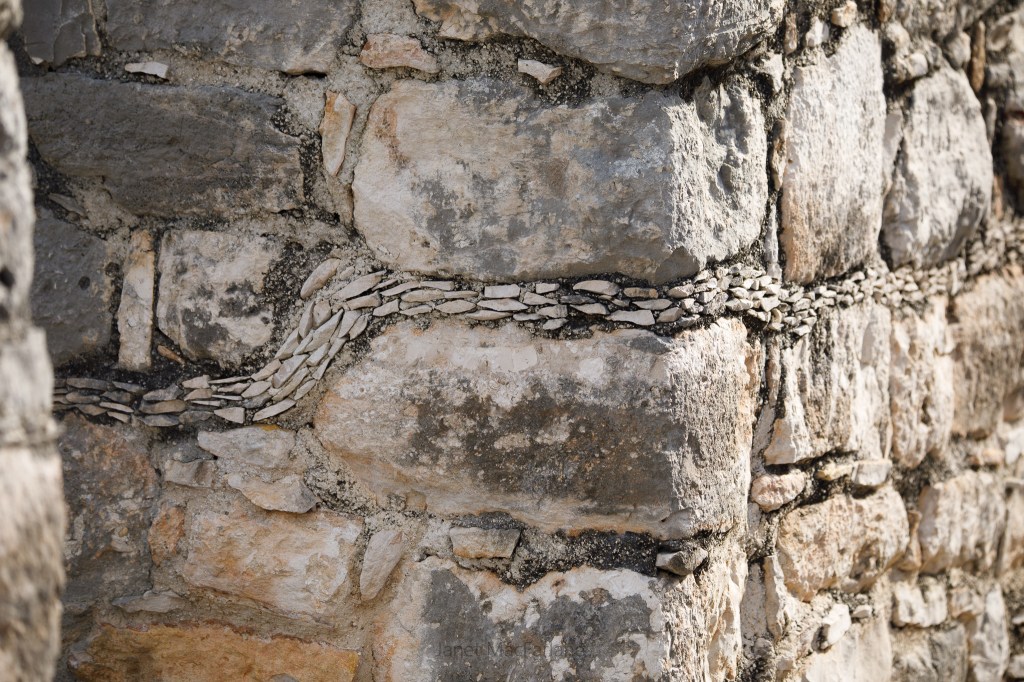
The stone work throughout is a marvel of masonry.

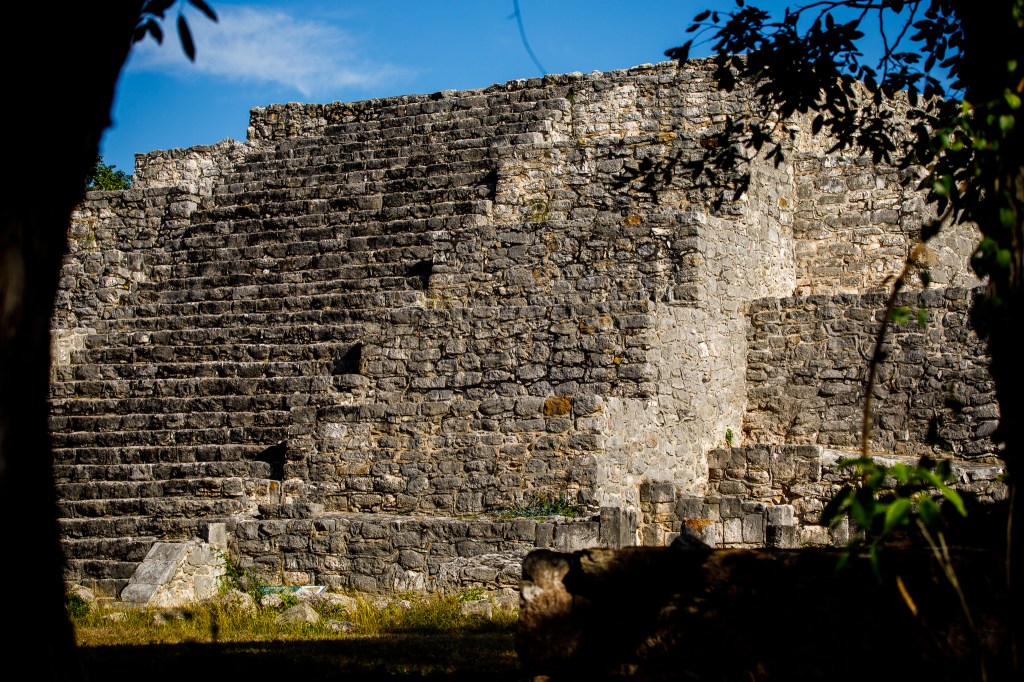

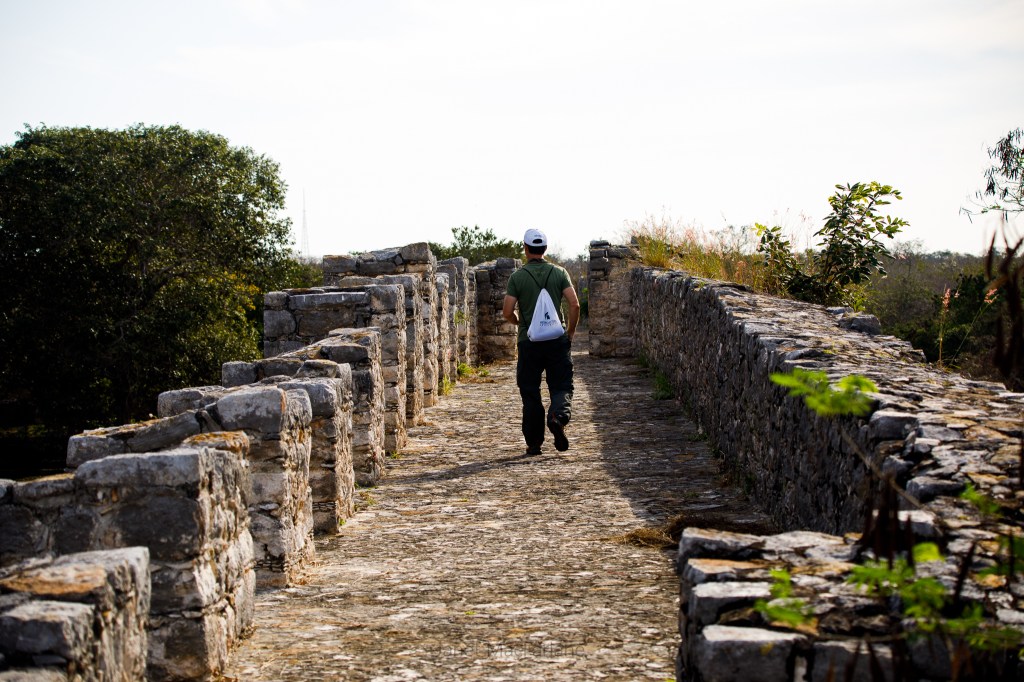
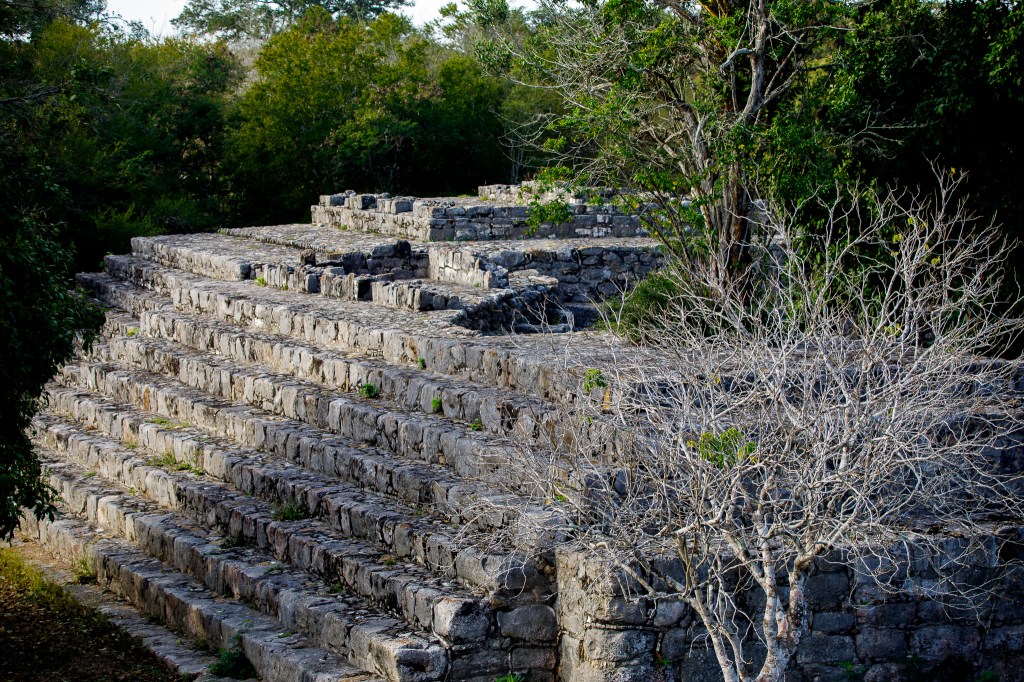

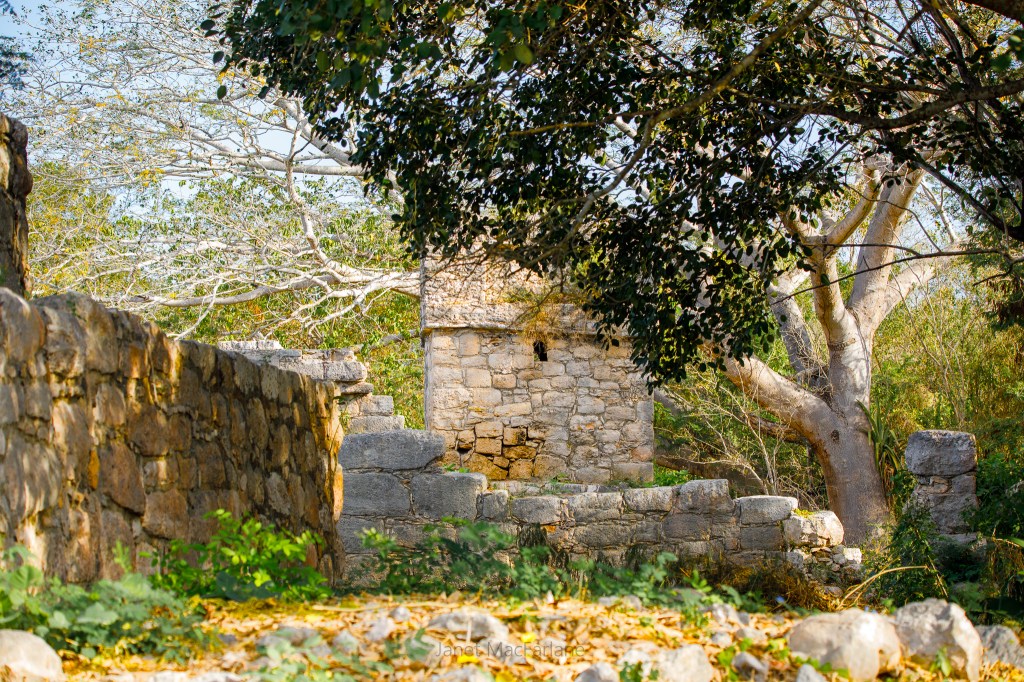
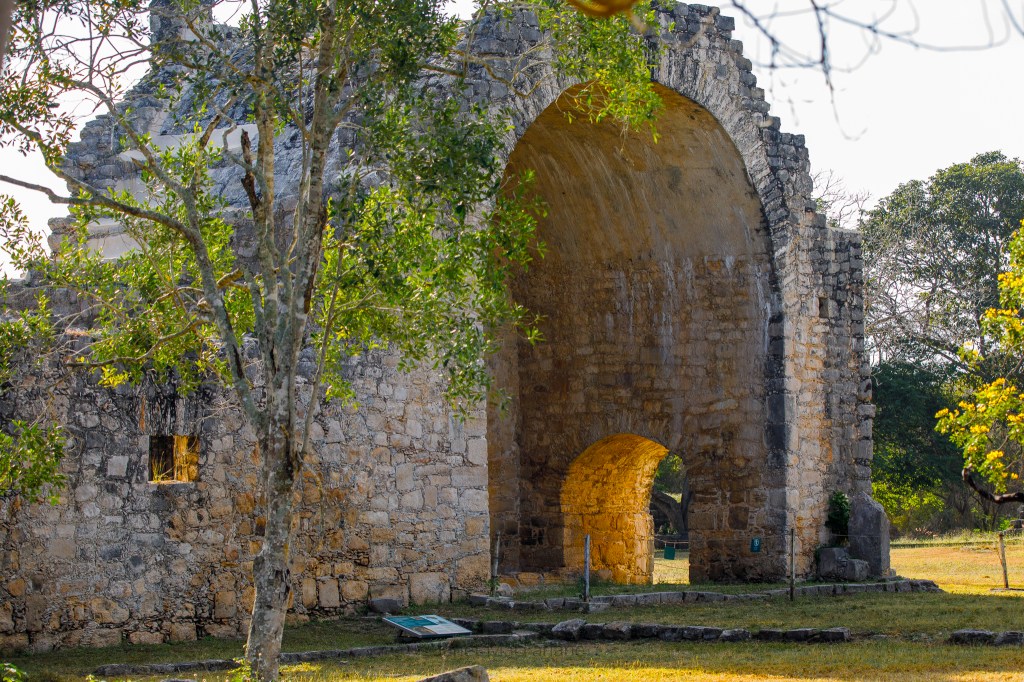
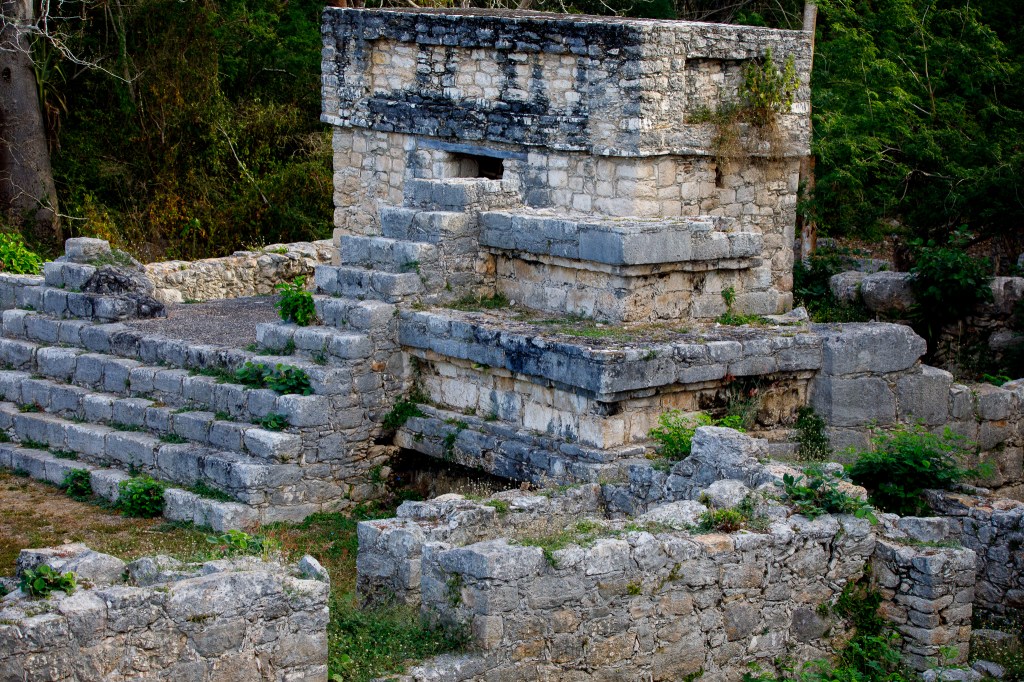
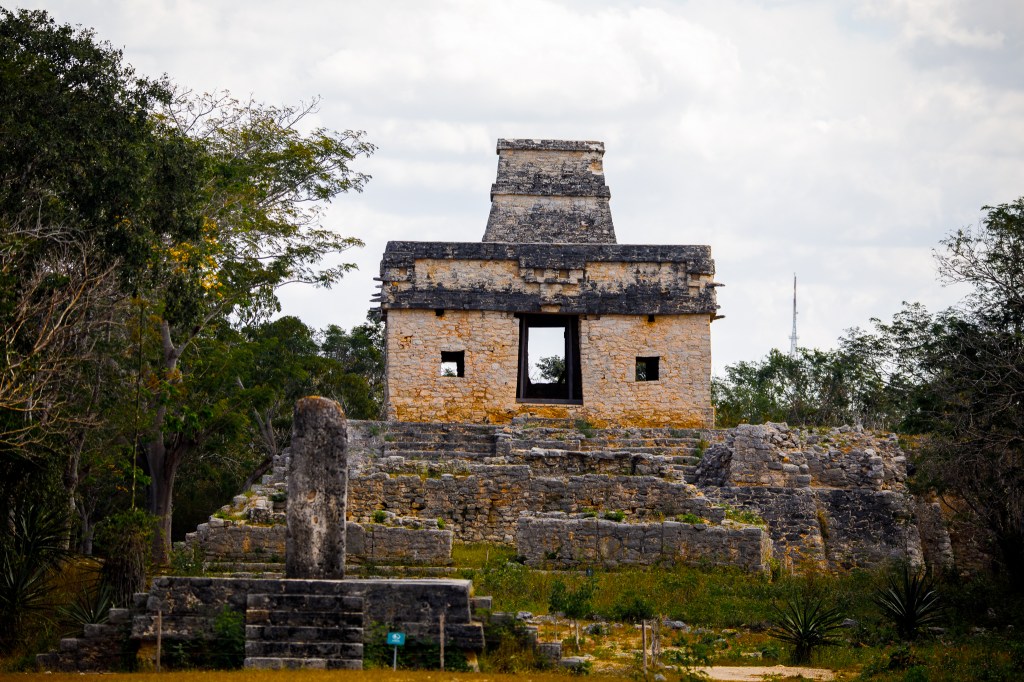
The most amazing structure found on the site is the Temple of the Seven Dolls. It is named this because of the 7 clay figures that were found in the site as offerings. It was a monumental temple. On the Equinoxes, March 21 and September 21, at dawn, the door of the Temple of the Seven Dolls is illuminated by the glow of the Sun when it appears on the horizon. At a certain moment, the sun shines through the center of the door sending light and shadow onto the western wall. The connection to the Mayan calendar and the seasonal cycles is evident throughout.
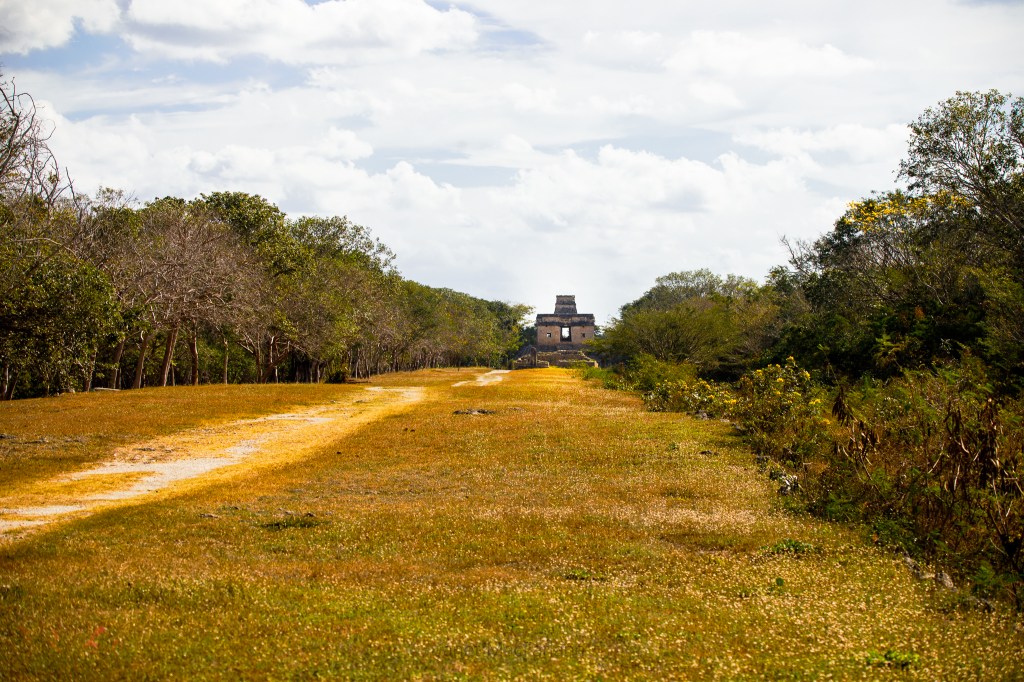
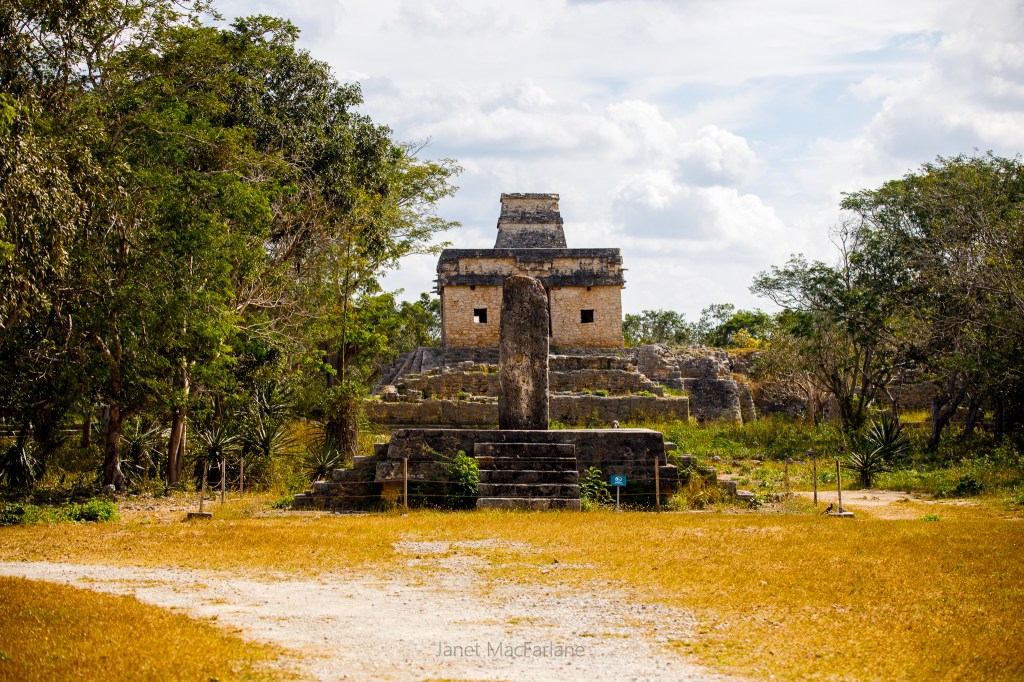

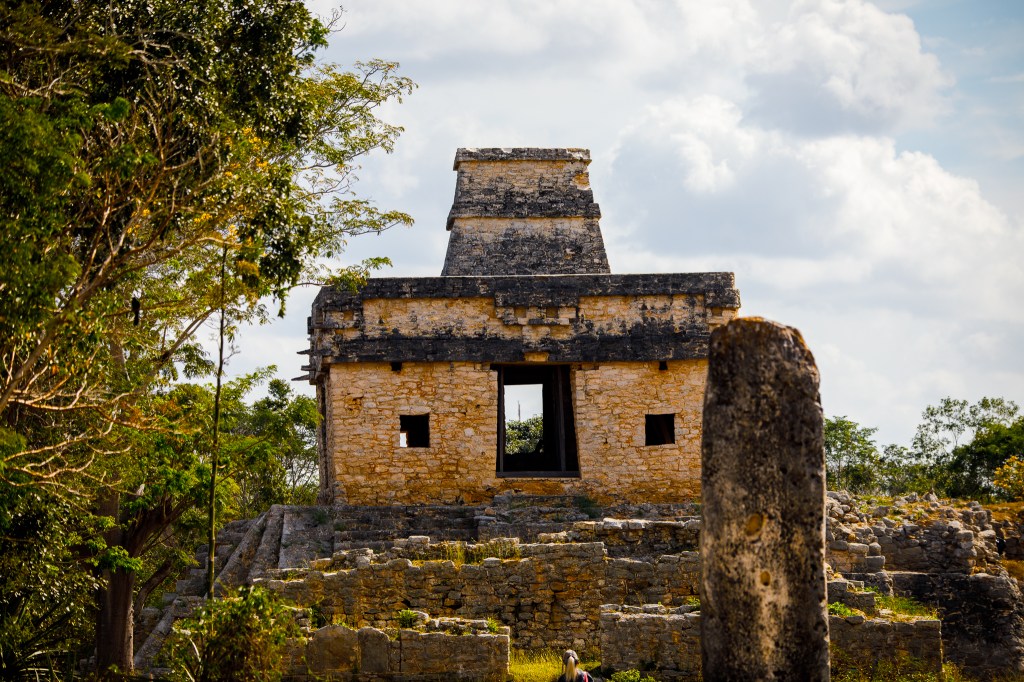
Visiting Dzibilchaltún left me with a feeling of awe. Just knowing that these structures were built so long ago through human power and engineering, without AI, without machinery, or manufactured materials, and are still standing today is amazing. The people and their culture may have been usurped by the forces that be, but something they made long ago is still there and the remnants of their lives still persist to this day. It gives me a bit of hope.
 Forest Therapy and Forest Bathing Walks